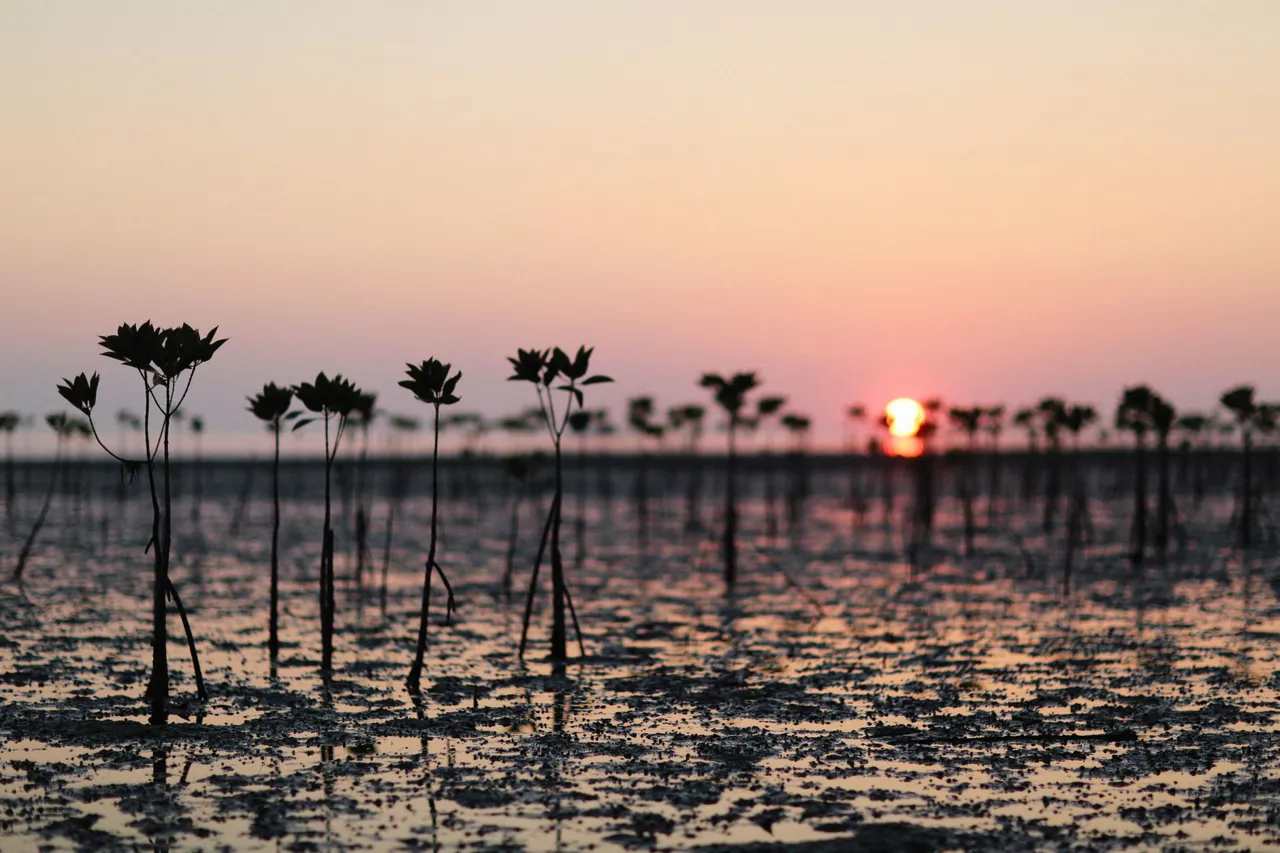
In Veracruz, Mexico, the nonprofit REVIVE is restoring mangrove ecosystems through a combination of elevated planting sites and crocodile reintroductions. Across the region, clearing and burning mangroves for cattle caused soils to collapse and sink, preventing seedlings from establishing themselves.
After conventional planting failed, biologist Aníbal Ramírez Soto noticed that nearby mature mangroves grew in raised clusters. He developed wetland-soil mounds inspired by Aztec farming methods. Around 2,000 trees were planted on hundreds of handmade mounds; a subsequent count exceeded 4,000 because seedlings carried in by the tides had also taken root.
The initial success led to a larger undertaking involving 15,000 mounds across 40 hectares, with machinery now helping construct them. REVIVE also sought to restore animals alongside the trees. Following a visit to a crocodile conservation project in Colombia, the team began reintroducing crocodiles to the Alvarado wetlands, where hunting had eliminated them locally.
Since 2017, around 80 crocodiles have been released. Project practitioners argue that swimming crocodiles redistribute sediment and maintain open channels, allowing water to circulate through the mangroves. Previously, REVIVE had removed vegetation blocking those channels manually and then mechanically. The organization hopes the animals will help maintain the restored habitat.
Crocodile specialist Charlie Manolis, however, disputes the assertion that mangroves require crocodiles to remain healthy. He cites northern Australia, where mangroves showed no apparent harm during decades of near-absence following intensive hunting. While supporting crocodile conservation, he also emphasizes the dangers these predators can pose to neighboring communities and highlights northern Australia’s public education campaign on living safely alongside them.