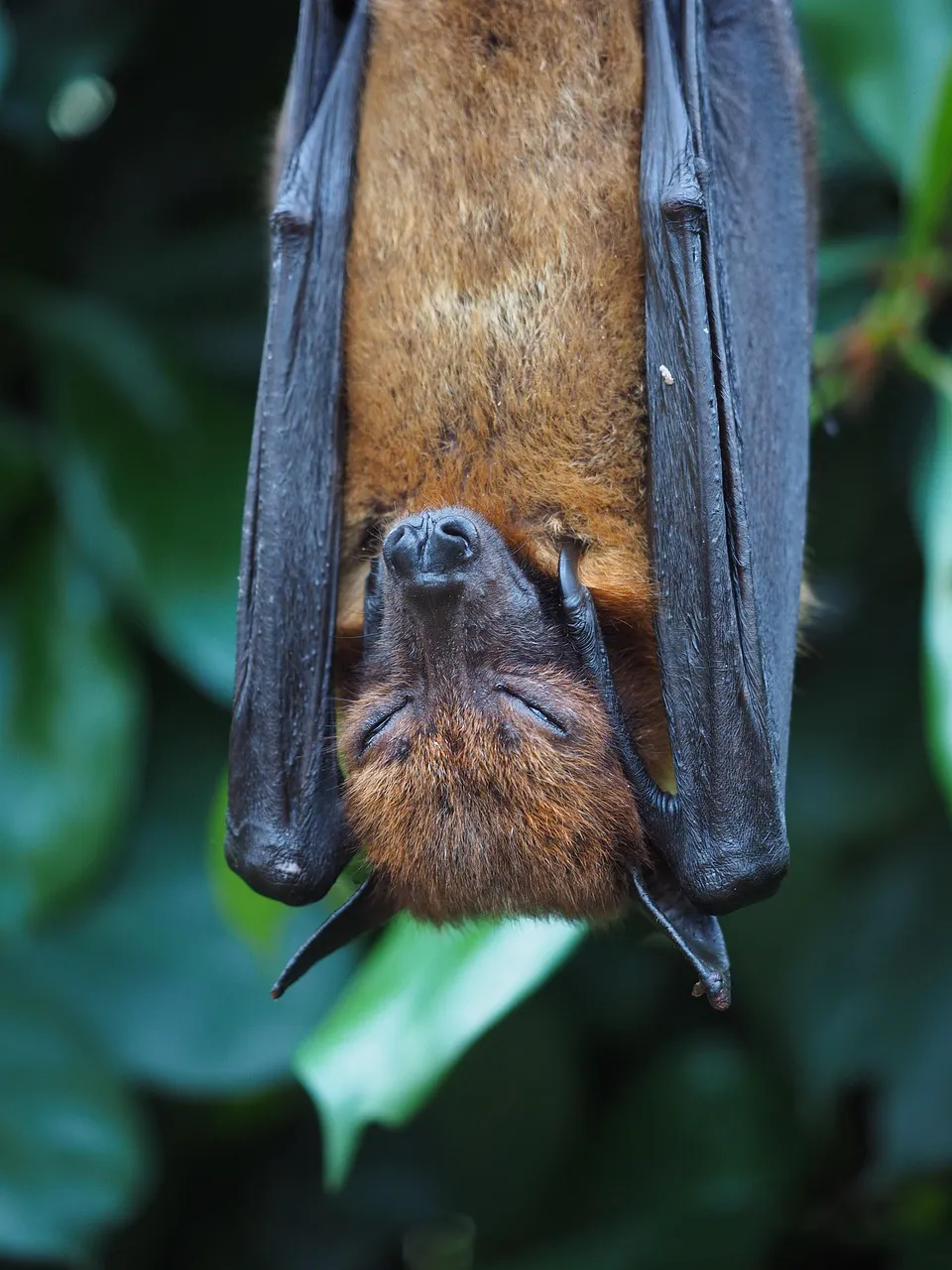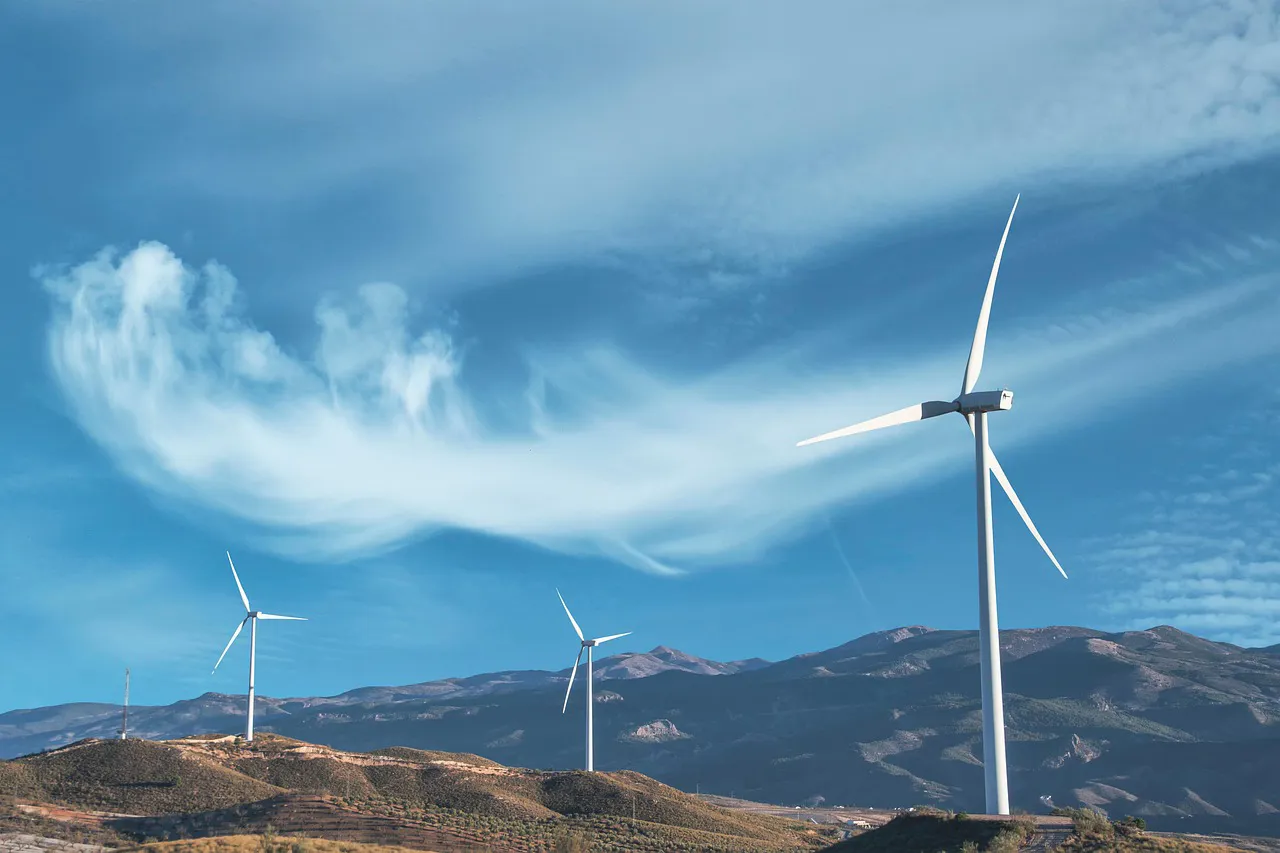
Although wind energy plays a central role in the transition away from fossil fuels, research highlights its toll on bats. A study published in the Proceedings of the National Academy of Sciences estimates that 18.7 million bats representing 28 species died at US wind facilities between 1981 and 2024. Annual mortality climbed from approximately 100,000 about two decades ago to 1.5 million by 2021, attributed to wind energy expansion.
Many fatalities involve collisions with turbines, but the reasons remain uncertain. Bats may be attracted by turbine noise, mistake the structures for trees, or struggle to detect the blades. Conventional searches can underestimate mortality when scavengers remove carcasses or vegetation conceals them, so researchers developed a statistical approach accounting for missing observations and unmonitored facilities.
Both siting and turbine characteristics influenced mortality. Facilities near rivers recorded higher fatalities, reflecting bats' reliance on waterways for food, water, and navigation. Turbines with lower ground clearance were also particularly hazardous.
Separately, research published in the Journal of Applied Ecology examined 141 European wind farms, where bat species receive protection under the EU Habitats Directive. It found that suspending turbine operation when local conditions particularly favored bat flight could reduce mortality by more than 80%.
Germany has mandated mitigation measures since around 2010, including risk assessments during site selection and operating restrictions. These can prevent rotors from turning during migration periods or weather associated with high bat activity. However, the operating strategy did not reduce fatalities among migratory birds, which also collide with turbines.