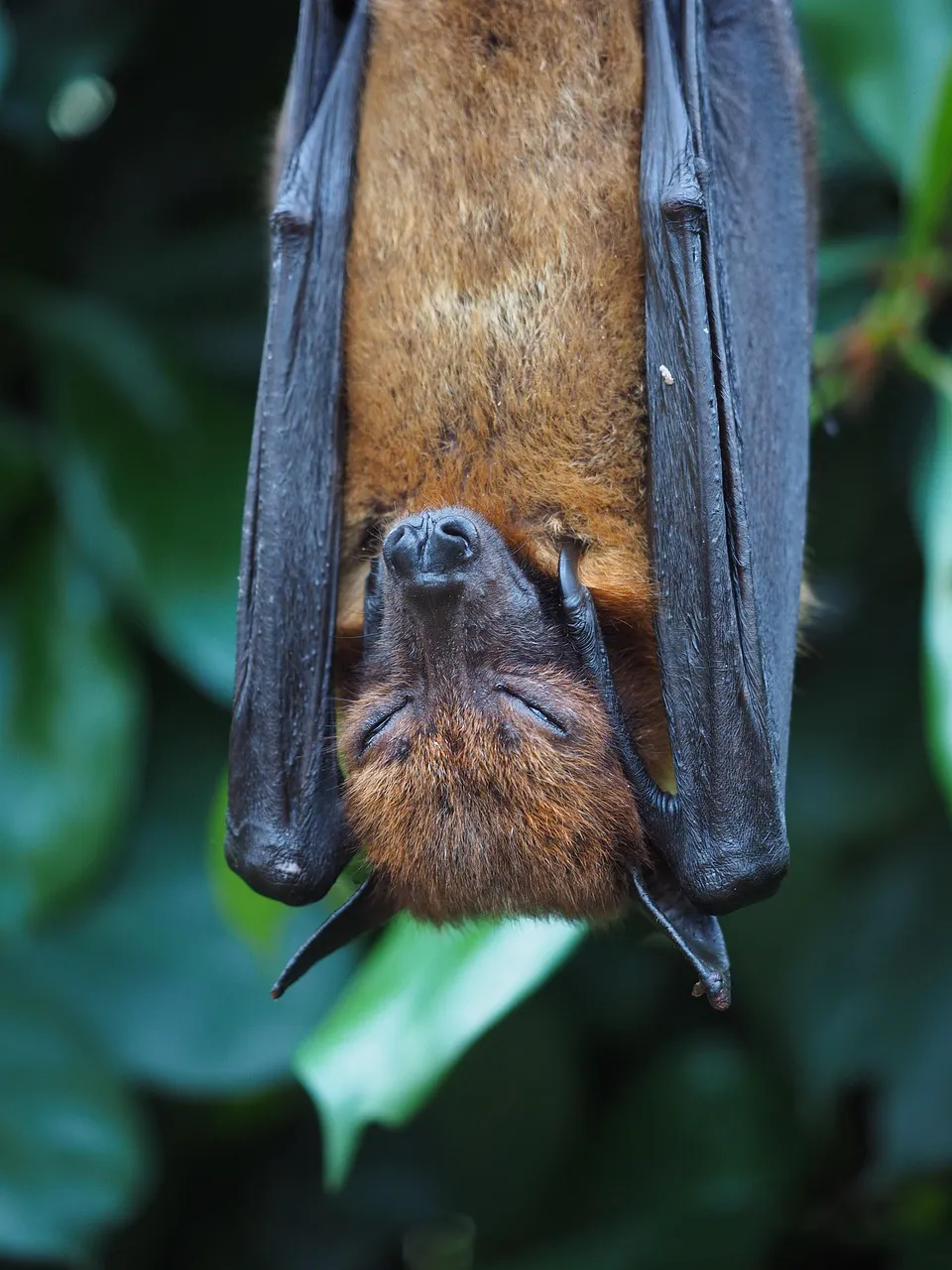
Madagascan flying foxes appear to be shrinking, according to research published October 29 in the Journal of Mammalogy. The fruit-eating species, Pteropus rufus, belongs to a group that includes the world’s largest bats, with wingspans reaching 1.5 meters.
The investigation began when researchers at Chicago’s Field Museum noticed that preserved specimens seemed larger than animals caught in recent years. A team including ecologist Emily Cornelius Ruhs and conservation biologist Steven Goodman measured 12 skull and dental features across 121 specimens held in nine museums. The collection spanned more than 150 years.
Skulls from bats collected before the 1980s were, on average, 3.6 millimeters longer—approximately 6 percent—than those collected afterward. Although climate change and habitat loss were considered possible explanations, the timing also coincided with the commercialization of flying fox hunting.
Previously, hunting largely supplied families or small communities; around the 1980s, sales to markets and restaurants increased. Hunters may have disproportionately targeted larger animals because they yielded more food. This remains a possible explanation rather than an established cause of the size decline.
The population has also dwindled, with researchers estimating a two-thirds reduction from roughly 300,000 animals in the early 2000s. Conservation biologist Emma Stone of the University of Bath warned that changes in physical traits could weaken the bats’ ability to withstand environmental, climate or disease stresses. Future genetic research could help assess the population’s condition, while conservation efforts must account for the animals’ importance as food for local people.