Vegetable diversity is declining worldwide as diets become increasingly uniform. In India, traditional crops such as the clove bean and the Yerengere white long eggplant have largely disappeared from commercial markets dominated by hybrids. Prabhakar Rao, a natural farmer who founded Hariyalee Seeds in Bengaluru, conserves hundreds of heirloom seed varieties to prevent their extinction.
A paper published in PNAS in July compiled a global dataset of 1,482 vegetable species, while acknowledging that the actual diversity of local and wild vegetables is substantially greater. Approximately 24% of the wild relatives of 79 major vegetable species are threatened with extinction. Lead author Maarten van Zonneveld, who heads the International Potato Center's gene bank in Lima, Peru, emphasized that many vegetable species lack protection in national and international gene banks.
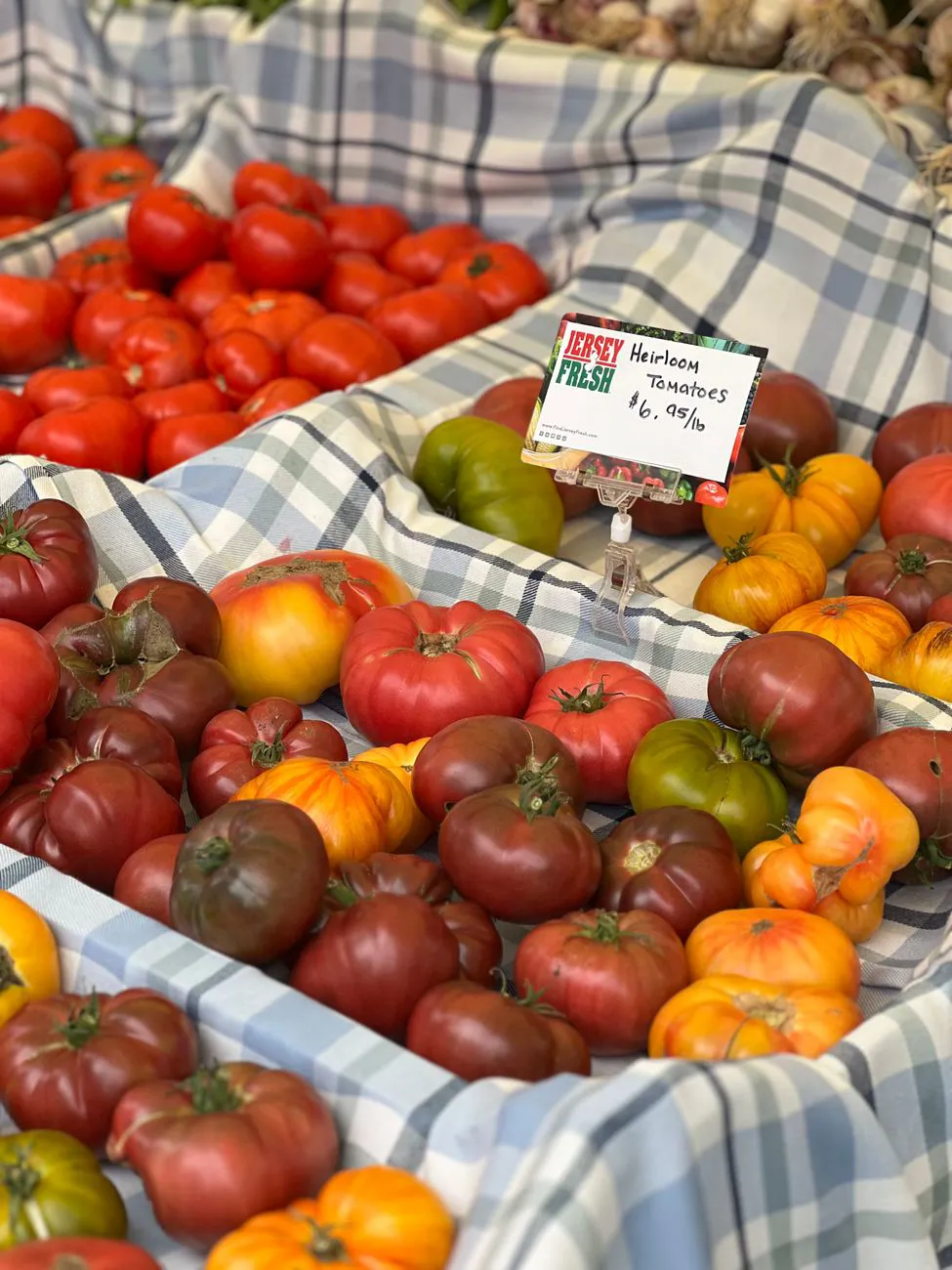
Rapid land-use change, market homogenization, and shifting agricultural priorities contribute to these losses, undermining efforts to develop climate-resilient, nutritionally secure food systems. Commercial preferences also narrow the selection: chef and food researcher Elizabeth Yorke says consumers associate specific colors and shapes with quality and flavor. Consequently, a single variety can become the standard for an entire vegetable category.
Initiatives seek to connect conservation with consumption. In Meghalaya, India's North East Society for Agroecology Support has incorporated underused wild and regional vegetables into meal programs at 26 schools. Internationally, the WorldVeg Genebank holds more than 65,000 genetic samples, while the Crop Trust has identified crops with potential for climate adaptation. Colin Khoury, the Crop Trust's global conservation lead, argues that long-term agricultural resilience requires support for smallholder farmers and stronger supply chains for nonstandard crops.