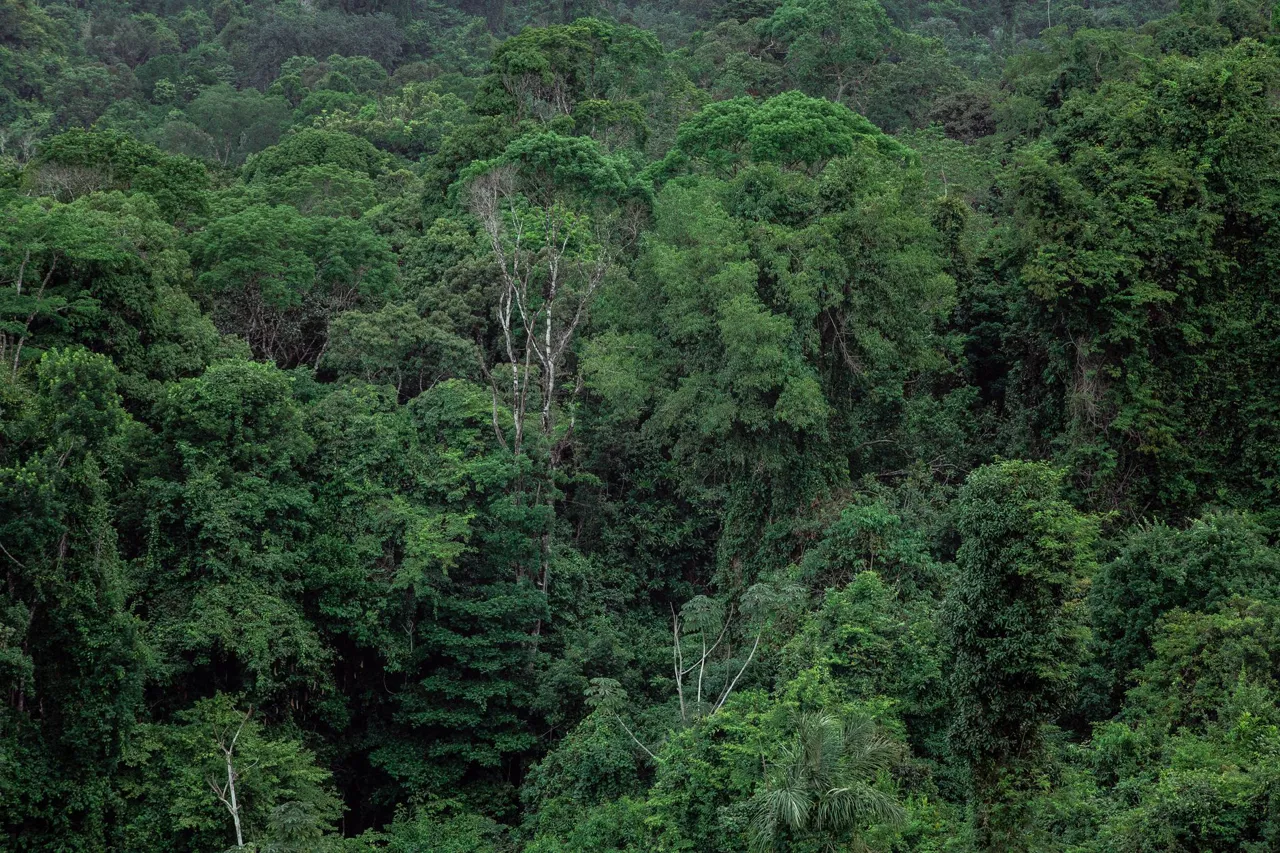
Deforestation in Brazil’s Amazon fell to its lowest level since monitoring records began in 1988, according to official satellite data. Between August 2025 and July 2026, forest clearing totaled 3,335 square kilometers, a 41.8% decline from 5,731 square kilometers a year earlier. The government says deforestation has dropped 71% since President Luiz Inácio Lula da Silva returned to office in 2023.
Lula revived an anti-deforestation plan originally launched in 2004 and later shelved under former President Jair Bolsonaro. Its measures include stronger monitoring, enforcement, protected-area management and support for sustainable economic activity. Authorities restored sanctions for illegal clearing detected by satellites, directed additional funding toward municipalities that reduced forest loss, and financed efforts against environmental crime. The administration also proposed denying bank loans to properties with illegal deforestation. These changes reversed a period during Jair Bolsonaro’s presidency when deforestation rose by around 60%.
Despite the decline, climate and political pressures threaten further progress. El Niño, the periodic warming of the equatorial Pacific, could intensify heat, drought and wildfire risks in 2026 and 2027. Meanwhile, Lula faces Senator Flávio Bolsonaro in an October 25 presidential runoff. Conservation experts warn that a Bolsonaro victory could reverse protective policies. Bolsonaro has pledged to end illegal deforestation by 2029, while Lula proposes zero net deforestation by 2030, with restoration offsetting legal and illegal forest loss. The outcome could shape the future of a rainforest that stores vast amounts of carbon and supplies atmospheric moisture influencing weather beyond South America.