Aircraft circling before landing are often in holding patterns, waiting until an airport can accommodate them. Rather than indicating a technical fault or poor weather, this can reflect congestion in an increasingly interconnected network. A storm, emergency or route closure can trigger delays thousands of miles away.
The International Civil Aviation Organization (ICAO), the UN agency responsible for global aviation standards, is promoting air traffic flow management. By sharing information, airlines, airports, controllers and weather services can coordinate decisions before aircraft depart. When an arrival airport lacks capacity, holding departures on the ground can replace airborne waiting.
Following five days of ICAO-convened talks in Montreal, governments and industry endorsed accelerated worldwide implementation. Brazil and Colombia have operated such systems for years, but predominantly within national boundaries. Inadequate cross-border information sharing limits their effectiveness; better coordination should provide passengers with earlier disruption warnings and enable faster recovery after cancellations and delays.
ICAO-supported trials in the Americas saved more than 265,000 flying minutes and over $38.9 million in 2026, while saving approximately 13,330 metric tons of fuel and avoiding 42,160 metric tons of carbon dioxide emissions. A separate European program that anticipated weather and congestion avoided about 3.1 million minutes of delay from May through August 2026, with estimated savings of $448 million.
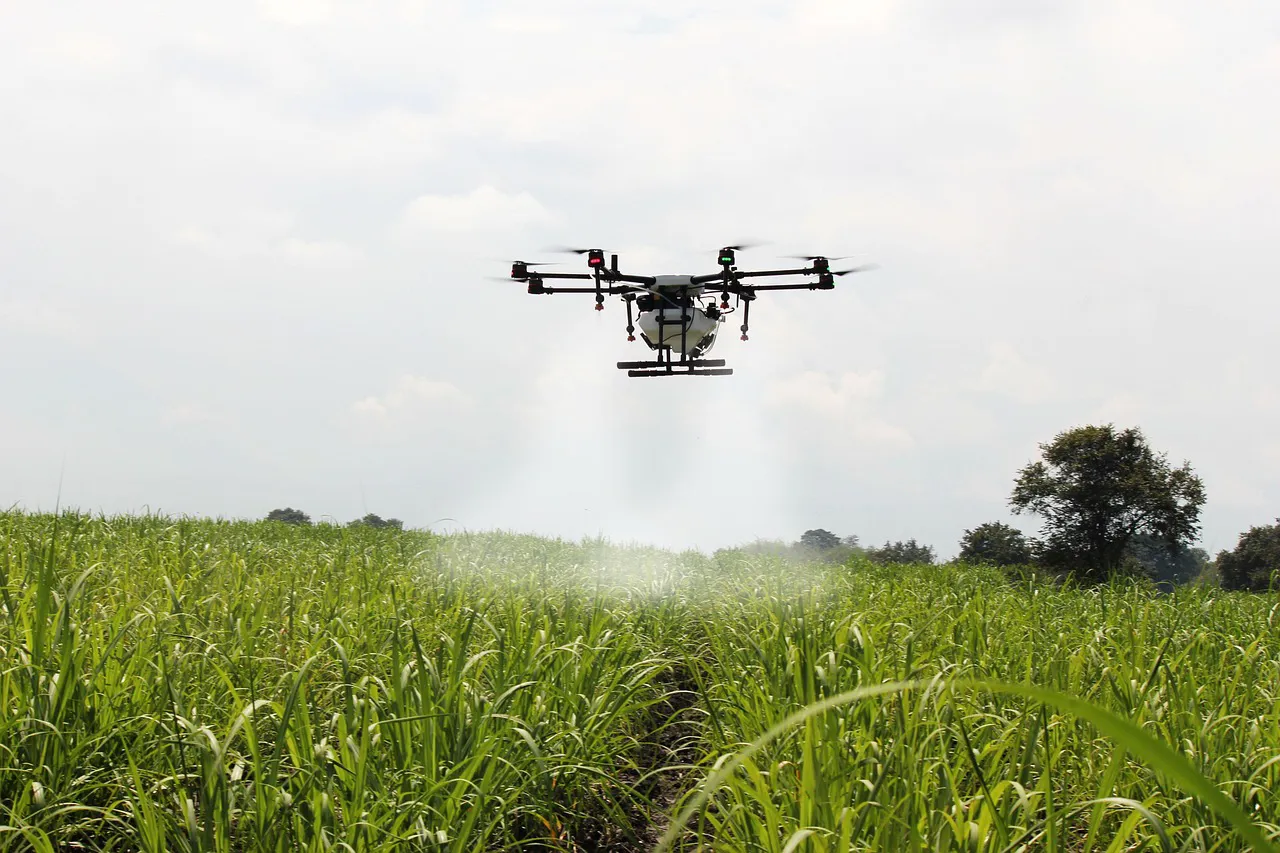
ICAO’s 193 member states face growing pressure to coordinate as conflicts divert flights and drones, air taxis and space activities place additional demands on airspace. Regional workshops are scheduled for 2027, with new international flow-management rules due in November 2030. ICAO projects that air travel could reach 12.4 billion passengers by 2050.