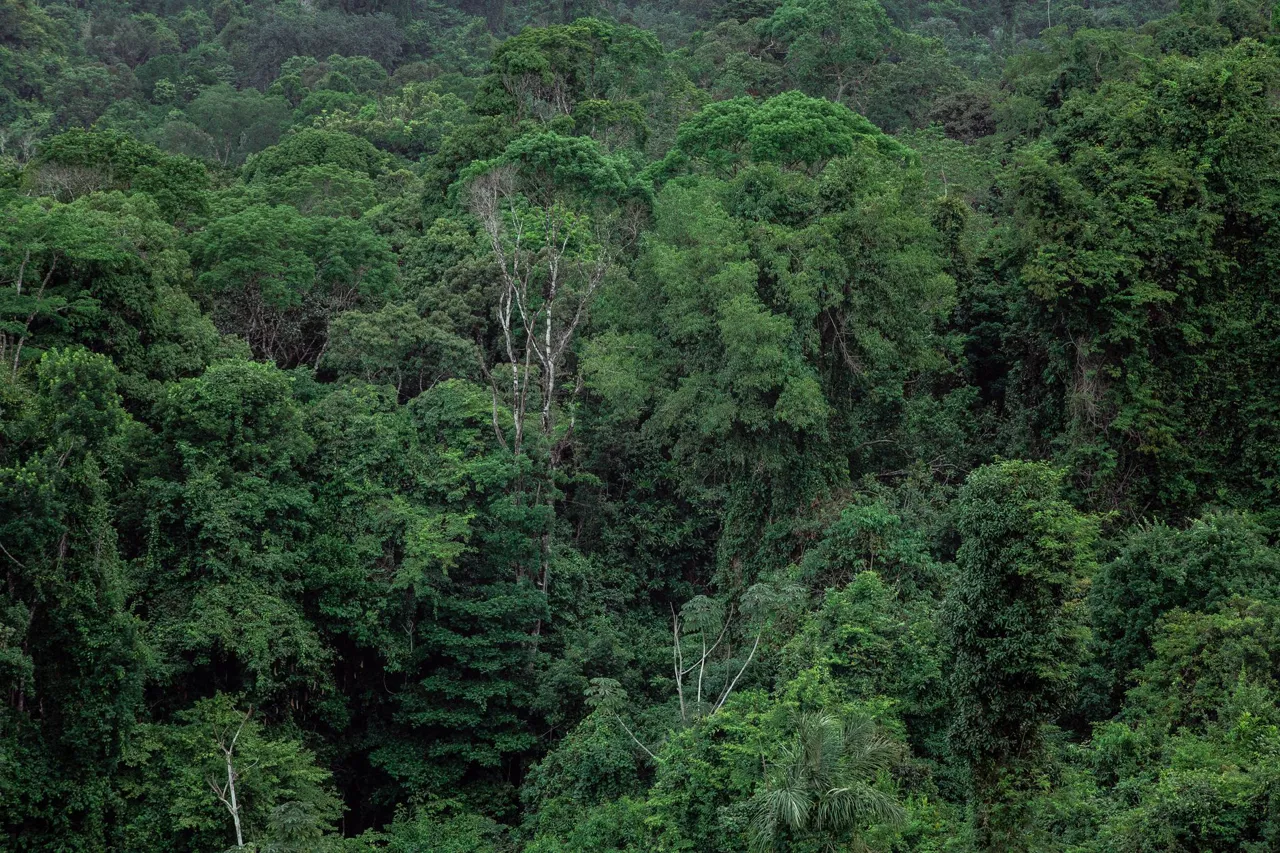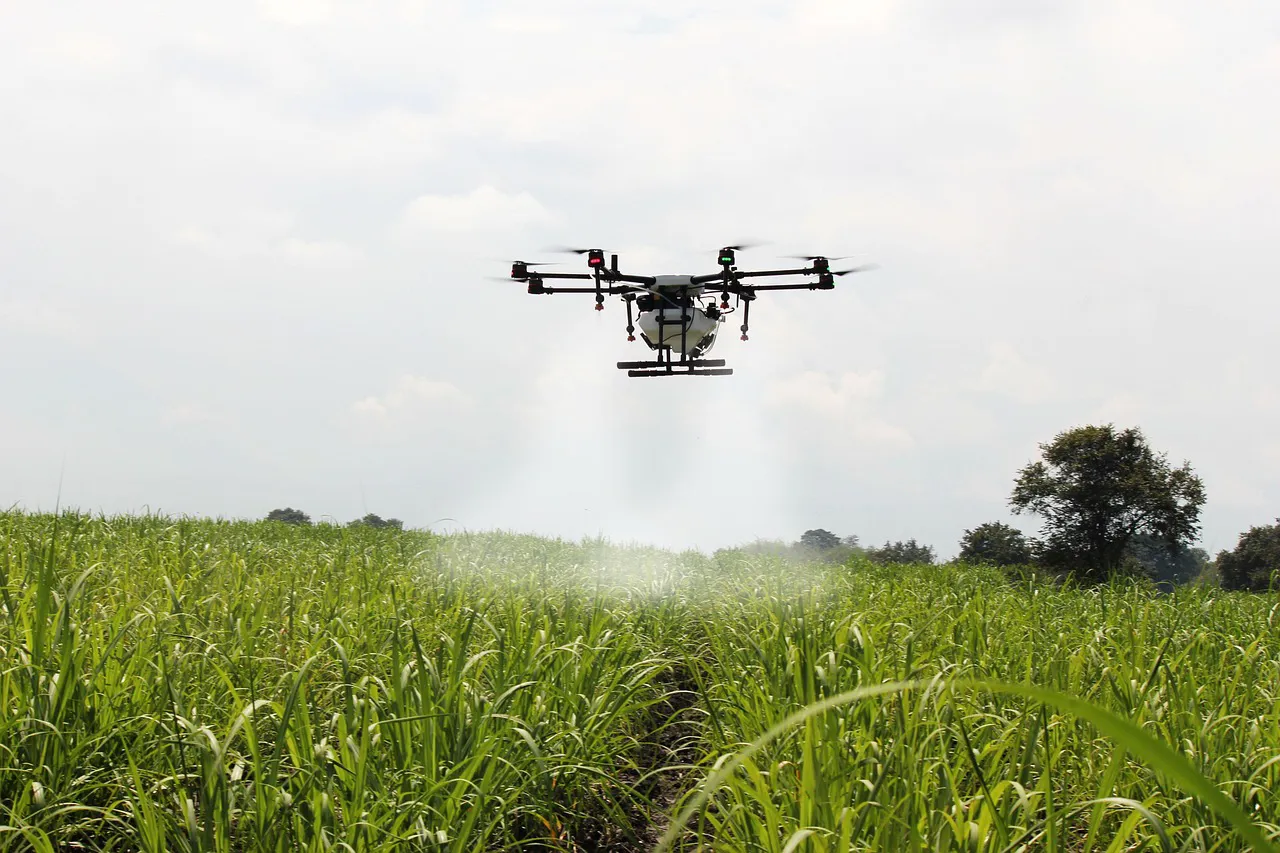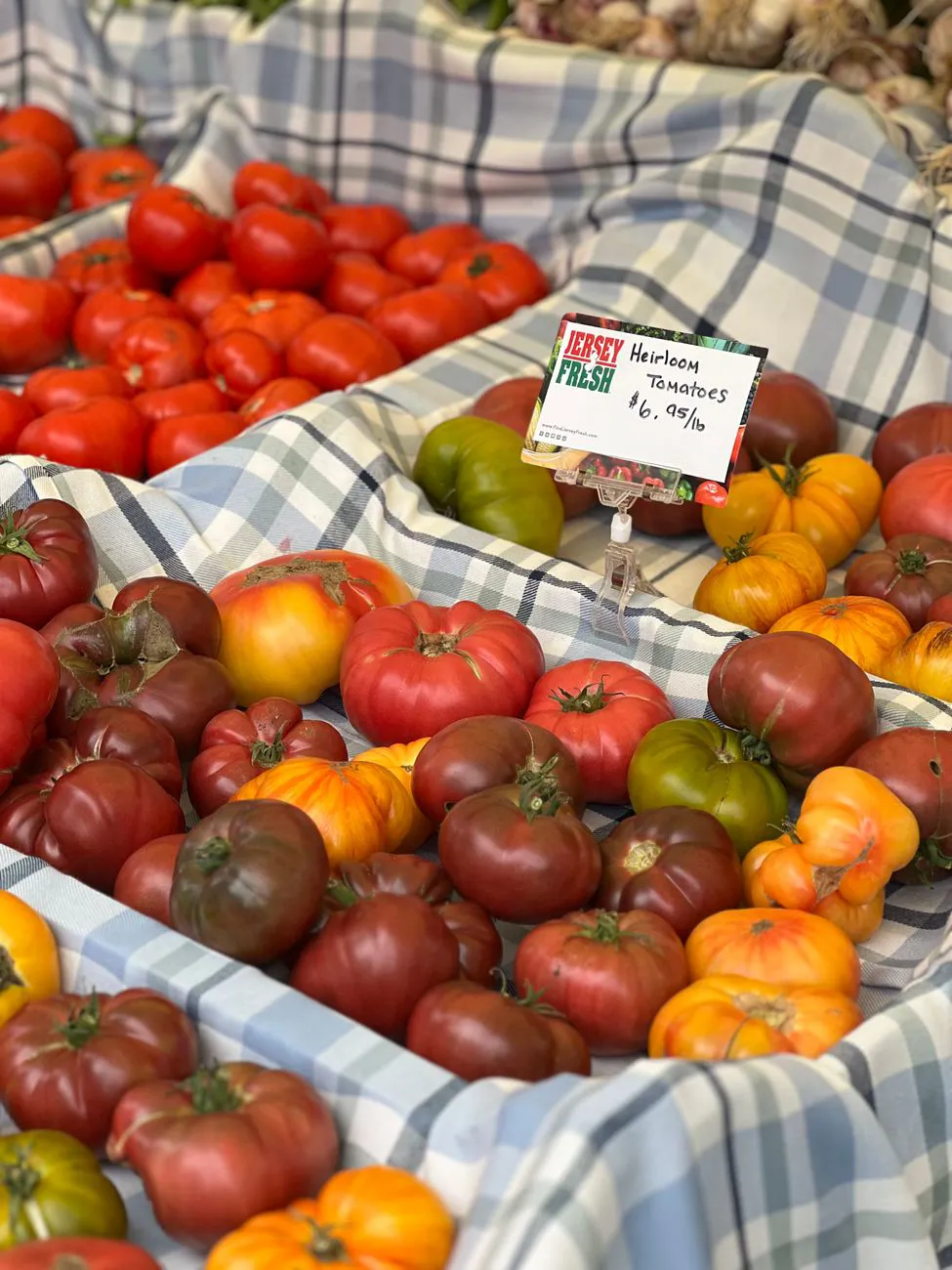
People worldwide are eating a narrower range of vegetables as diets become more similar. In India, some traditional crops have largely disappeared from commercial markets, where hybrid varieties—plants produced by crossing different types—now dominate. Farmer Prabhakar Rao, founder of Hariyalee Seeds in Bengaluru, preserves hundreds of traditional seed varieties to prevent their loss.
Research published in PNAS listed 1,482 vegetable species, although the researchers say the actual number is considerably higher. They also found that about 24% of the wild relatives of 79 major vegetable species face extinction. These are wild plants related to vegetables grown for food.
Changes in land use, increasingly similar market choices, and changing farming priorities contribute to the decline. Chef and food researcher Elizabeth Yorke says appearance also influences which vegetables succeed commercially. Buyers often associate particular colors and shapes with quality and flavor, allowing one variety to represent an entire vegetable category.
Conservation efforts aim to keep these plants both available and in use. In India's Meghalaya state, a local organization has introduced less common wild and regional vegetables into meal programs at 26 schools. The WorldVeg seed bank maintains more than 65,000 plant samples. According to Colin Khoury of the Crop Trust, protecting agriculture's future also requires support for small farmers and better routes to market for less standardized crops.