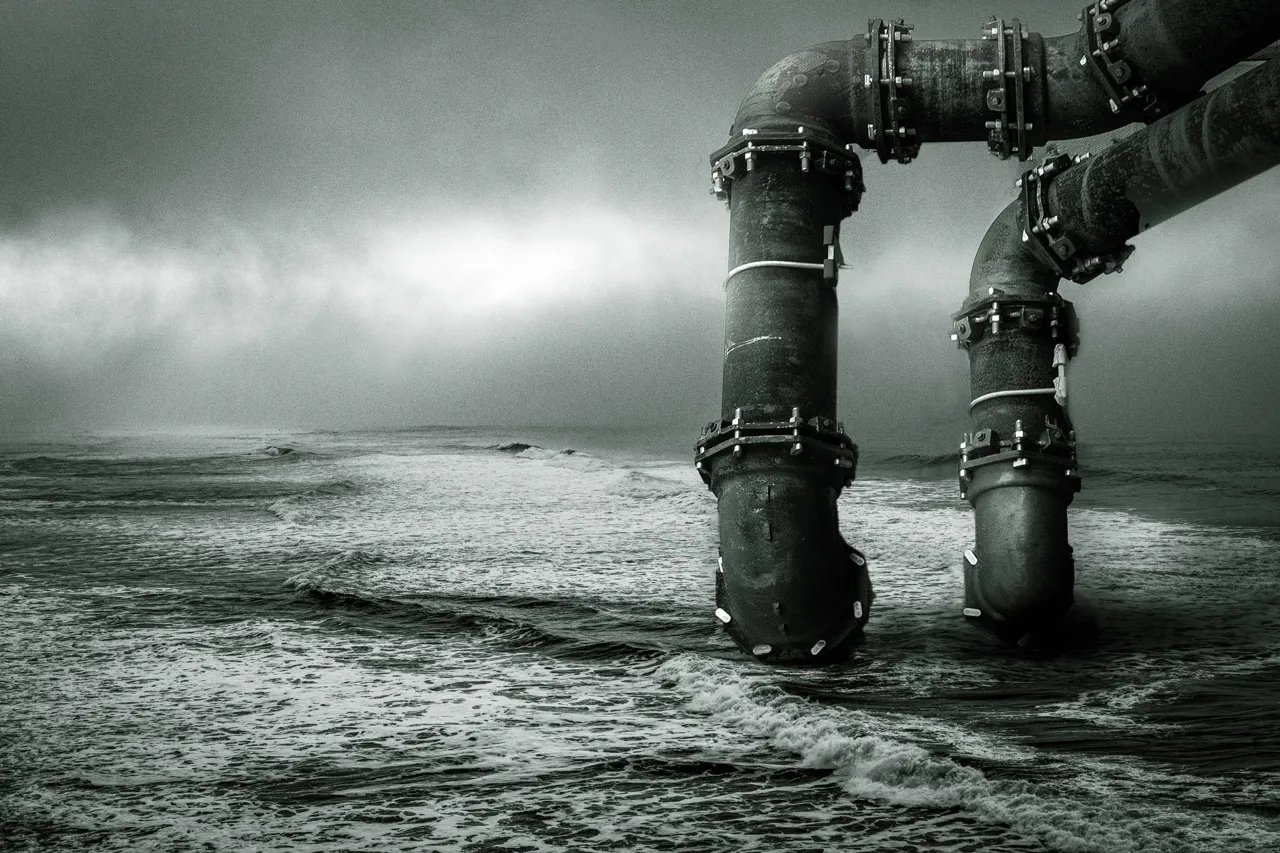
The European Commission has ruled out restarting Russian gas deliveries through Nord Stream after the war in Ukraine, rejecting reported US-Russian efforts to revive the project. The underwater connection between Russia and Germany, stretching more than 1,200 kilometers, remains subject to EU sanctions.
Nord Stream 1 has been inoperable since an explosion in 2022, while Nord Stream 2 never obtained German certification. Commission spokesperson Paula Pinho argued that Europe had already experienced the costs of dependence on Russian fossil fuels, which Moscow had used as leverage.
Although Commission President Ursula von der Leyen has linked energy sanctions to Russia ending the war, separate legislation mandates the elimination of Russian gas imports regardless of geopolitical developments. Short-term liquefied natural gas contracts have already been phased out; long-term LNG contracts will cease by January 2027, with pipeline contracts following by September. Final shipments should therefore end before 2027 closes.
Russia's share of pipeline gas supplies declined from approximately 40% in 2021 to 6% in 2025. The transition has been expensive, with European countries relying heavily on costlier American LNG. Washington and Moscow have reportedly discussed restoring Nord Stream flows with a US investor as peace negotiations intensify.
The proposed revival also has European supporters. Alice Weidel, leader of Germany's far-right Alternative for Germany, has promised to lift sanctions and reopen Nord Stream if she gains power. Chancellor Friedrich Merz has rejected her position, insisting that renewable energy is essential to securing Germany's supply. Amending the EU phase-out would require a Commission proposal and a qualified majority of member states, most of which regard purchases from Moscow as an unacceptable security risk.