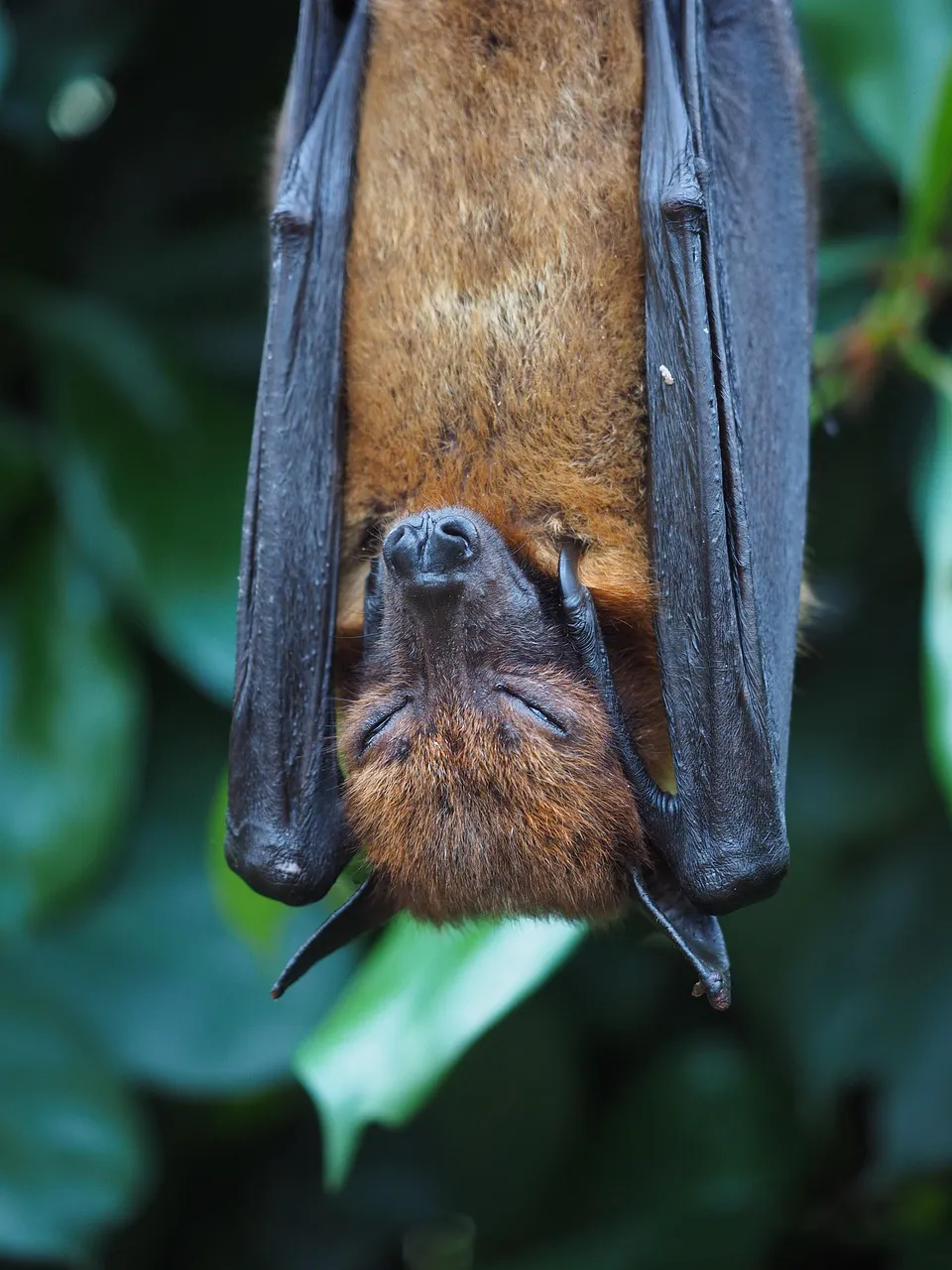
Madagascan flying foxes, large fruit-eating bats, appear to be shrinking. Researchers studied 121 preserved bats from nine museums, covering more than 150 years. They began investigating after noticing that older museum specimens looked larger than bats caught more recently.
The team measured 12 features of the skull and teeth. Bats collected before the 1980s had skulls that were, on average, 3.6 millimeters longer—about 6 percent—than those collected after the 1980s. The findings appeared October 29 in the Journal of Mammalogy.
The change happened around the period when hunting increasingly became a business. Previously, people mostly caught small numbers of bats to feed families or small communities, but sales to markets and restaurants later grew. Hunters may have favored larger bats because they provided more food. Climate change and habitat loss, meaning the loss of places where the bats live, are other possible explanations.
The population has also declined: researchers estimate it has fallen by two-thirds from about 300,000 in the early 2000s. Smaller bodies could leave the bats less able to cope with environmental changes or disease. Researchers face the challenge of protecting these animals while recognizing their importance as food for some communities.