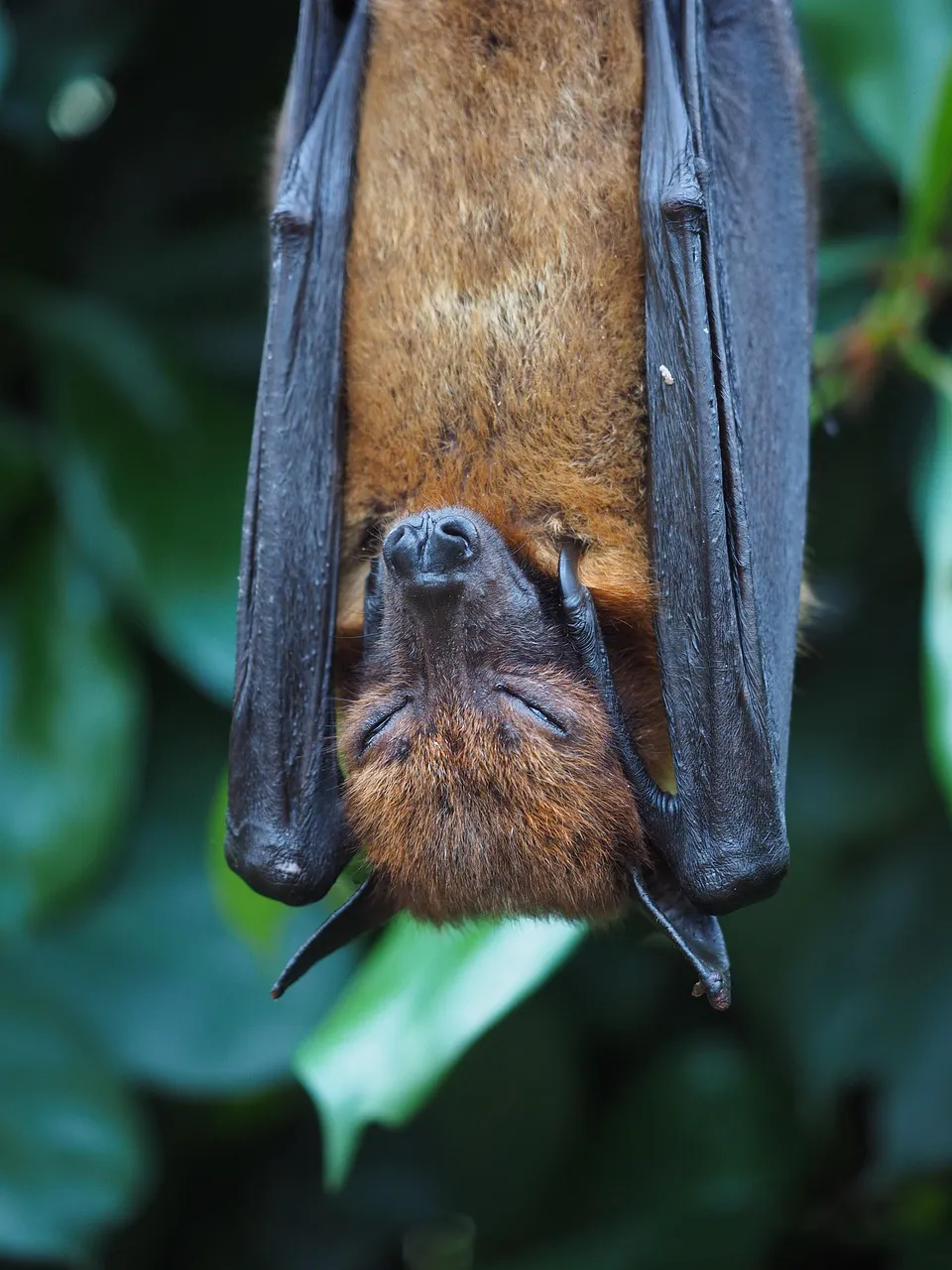
Flying foxes are large bats that eat fruit. Scientists found that one kind in Madagascar is getting smaller. They studied 121 bats kept in nine museums. People collected these bats over more than 150 years.
The team measured the bones of the bats’ heads and their teeth. Bats from before the 1980s had head bones about 6 percent longer than those from after the 1980s. Around that time, people began selling more bats at markets and restaurants. Before then, people mostly hunted small numbers to feed families or small communities.
Hunters may have chosen the biggest bats because they provided more food. Changes in the climate or the loss of places to live could also help explain the smaller size. Scientists do not know for sure why the bats changed. Smaller bodies may make life harder for them when conditions change or diseases spread.
The number of these bats has also fallen. About 300,000 lived in Madagascar in the early 2000s. Scientists estimate that the number has fallen by about two-thirds since then. The bats are important food for some people, but they also need protection.