Brazilian President Luiz Inácio Lula da Silva secured a fourth term in the October 25, 2026, presidential runoff, receiving 51.8% of valid votes against Senator Flávio Bolsonaro’s 48.2%. His margin of roughly 4.4 million votes reversed a first-round deficit and ended a sequence of seven consecutive conservative victories in Latin American presidential elections over 18 months.
Thousands gathered on São Paulo’s Paulista Avenue, waving flags, dancing and celebrating into Monday, while similar gatherings took place elsewhere in Brazil. Bolsonaro, however, refused to recognize the result and vowed to seek its annulment, citing a Supreme Court ruling that extended voting by two hours.
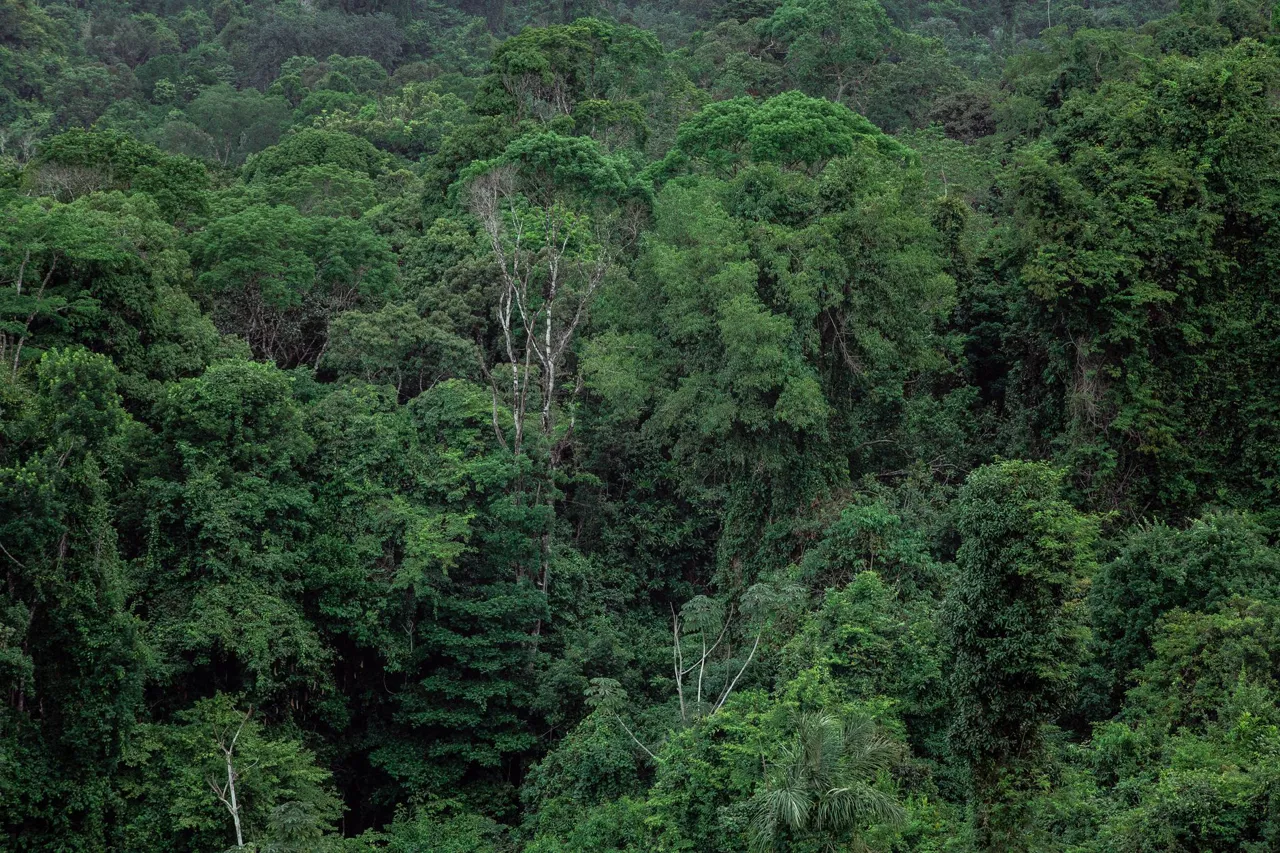
Environmental organizations welcomed Lula’s reelection following substantial reductions in Amazon deforestation. Since his return to office in 2023, forest clearing has reached its lowest rate since monitoring began in 1988, falling 42% in the last year alone. Nevertheless, the rainforest continues to shrink: approximately 333,500 hectares were cleared between August 2025 and July 2026.
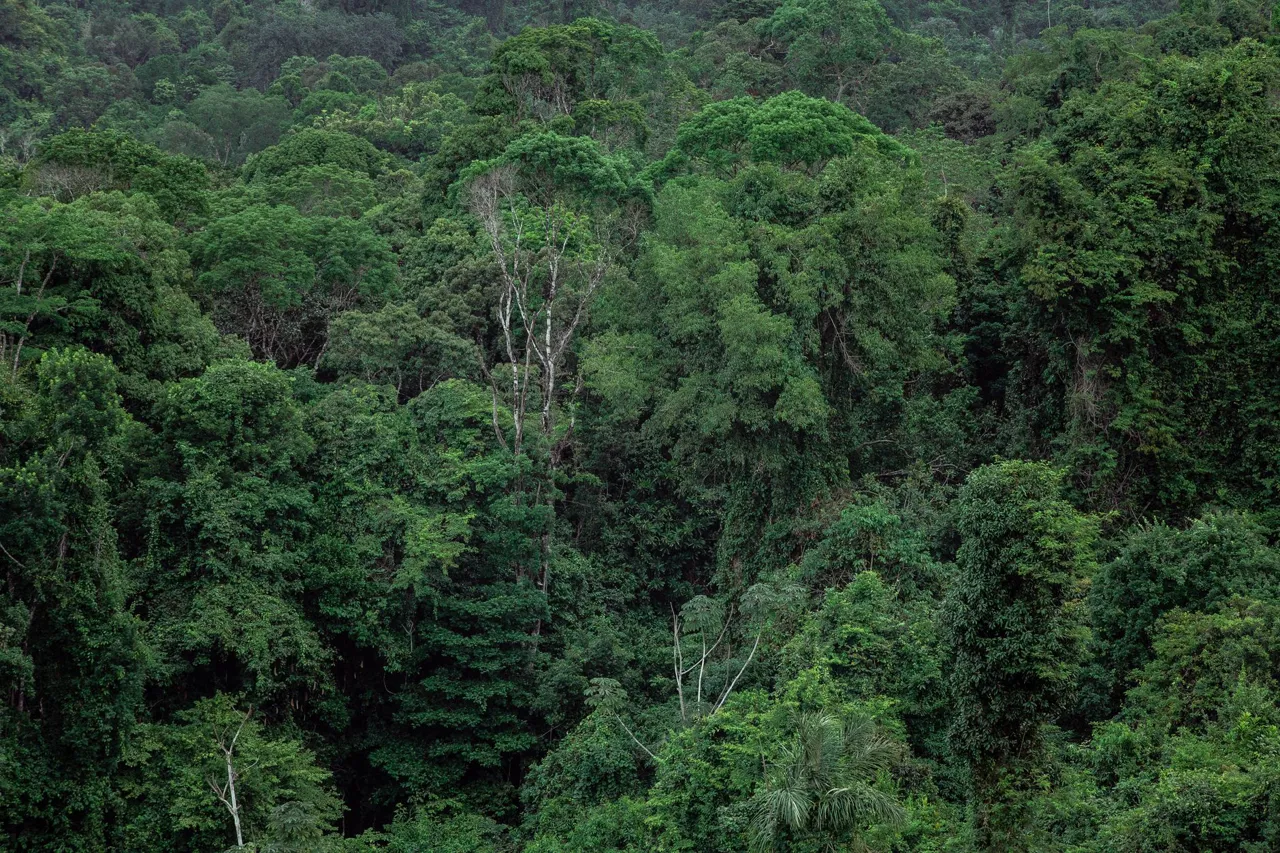
The government’s anti-deforestation strategy strengthened satellite monitoring, enforcement and financial incentives for conservation. Brazil contains most of the world’s largest tropical rainforest, which stores vast quantities of carbon dioxide and produces atmospheric moisture that influences weather beyond South America.
Despite his presidential victory, Lula faces a more powerful right-wing opposition in Congress. Bolsonaro’s Liberal Party secured the largest number of seats in both chambers, leaving center-right parties crucial to passing legislation. Environmental advocates say the government can still enforce existing laws and establish protected areas, even as wildfires, logging and drought continue to threaten the forest.