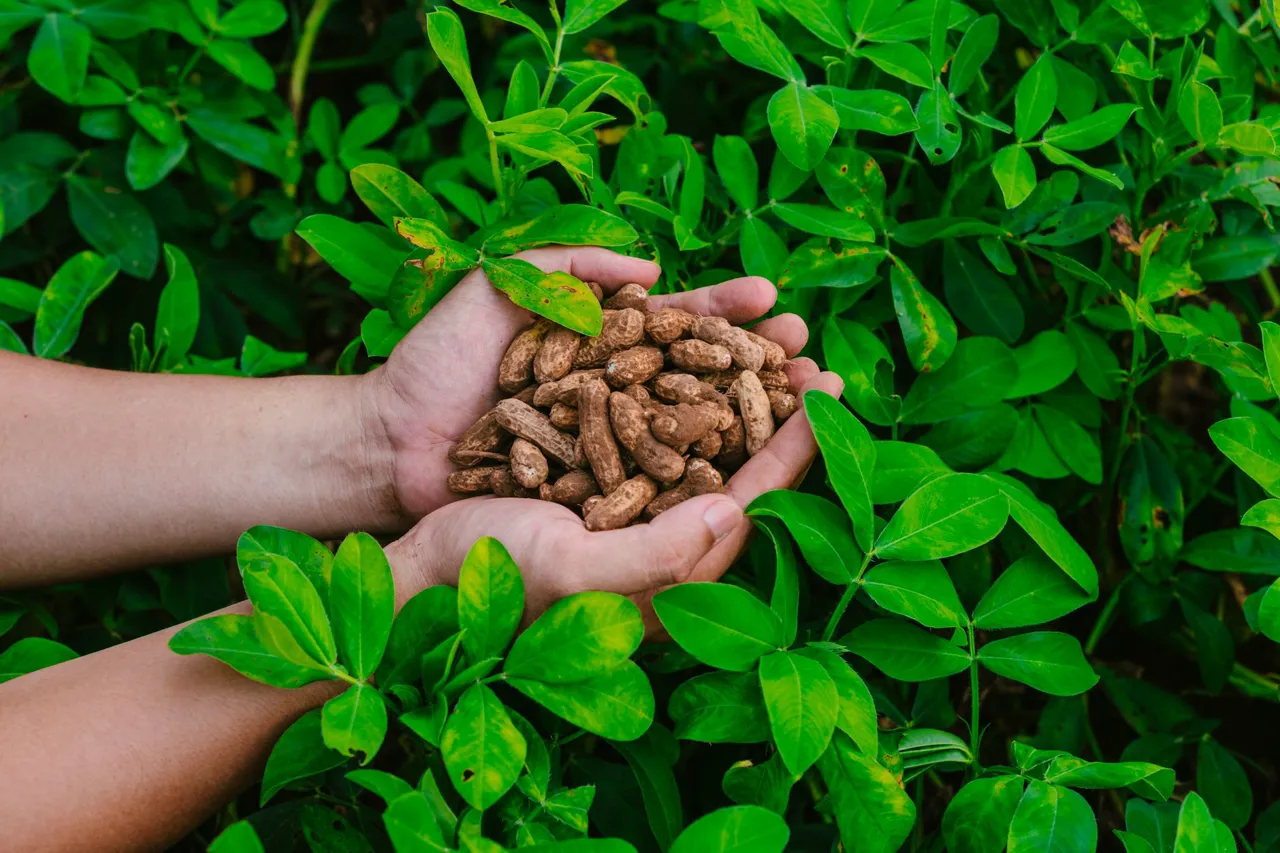
Scientists investigating underutilized African crops have identified October as the optimal planting month for bambara groundnuts in Southern Africa. Using 50 years of climate and soil data, they simulated 49 growing seasons and found that planting around the onset of seasonal rains delivered the highest yields. Later sowing could expose the crop to frost, reducing productivity.
The findings come as water stress and climate change complicate production of rain-fed staples such as corn, wheat and rice across much of the region. Indigenous crops are often more drought-tolerant and suited to low-fertility soils. Bambara groundnuts also supply fiber, protein and essential minerals, including zinc, iron and calcium.
Using the Food and Agriculture Organization’s AquaCrop model, the researchers assessed 5,838 altitude zones across South Africa, Lesotho and Eswatini. Their analysis considered daily rainfall, air temperature, soil water retention, planting dates and plant density. It also excluded unsuitable land uses, including mining, commercial forestry, urban development, plantations and orchards.
By incorporating frost risk and land-use restrictions, the team produced suitability maps intended to avoid overstating the area available for cultivation. Researcher Richard Kunz emphasized that smallholders need practical guidance on where and when to plant neglected crops, rather than relying on maps based on long-term climate averages. He also argued that dependence on a narrow range of crops cannot deliver climate resilience.
Kunz said the modeling approach could be extended to other underused crops, including cowpea, sorghum and taro. The maps could also guide the placement of community seed banks, helping protect crop diversity and strengthen communities’ control over their food systems.