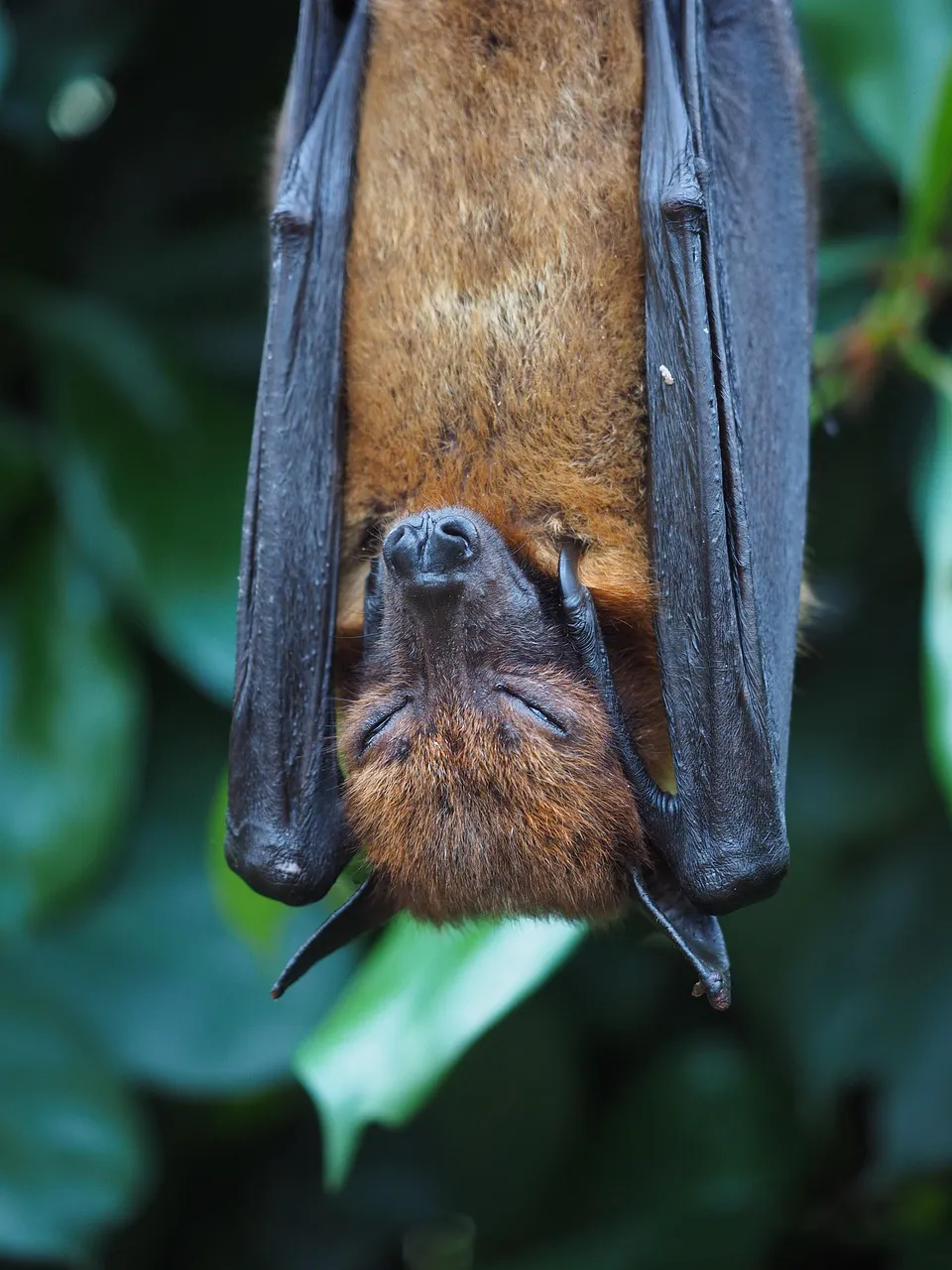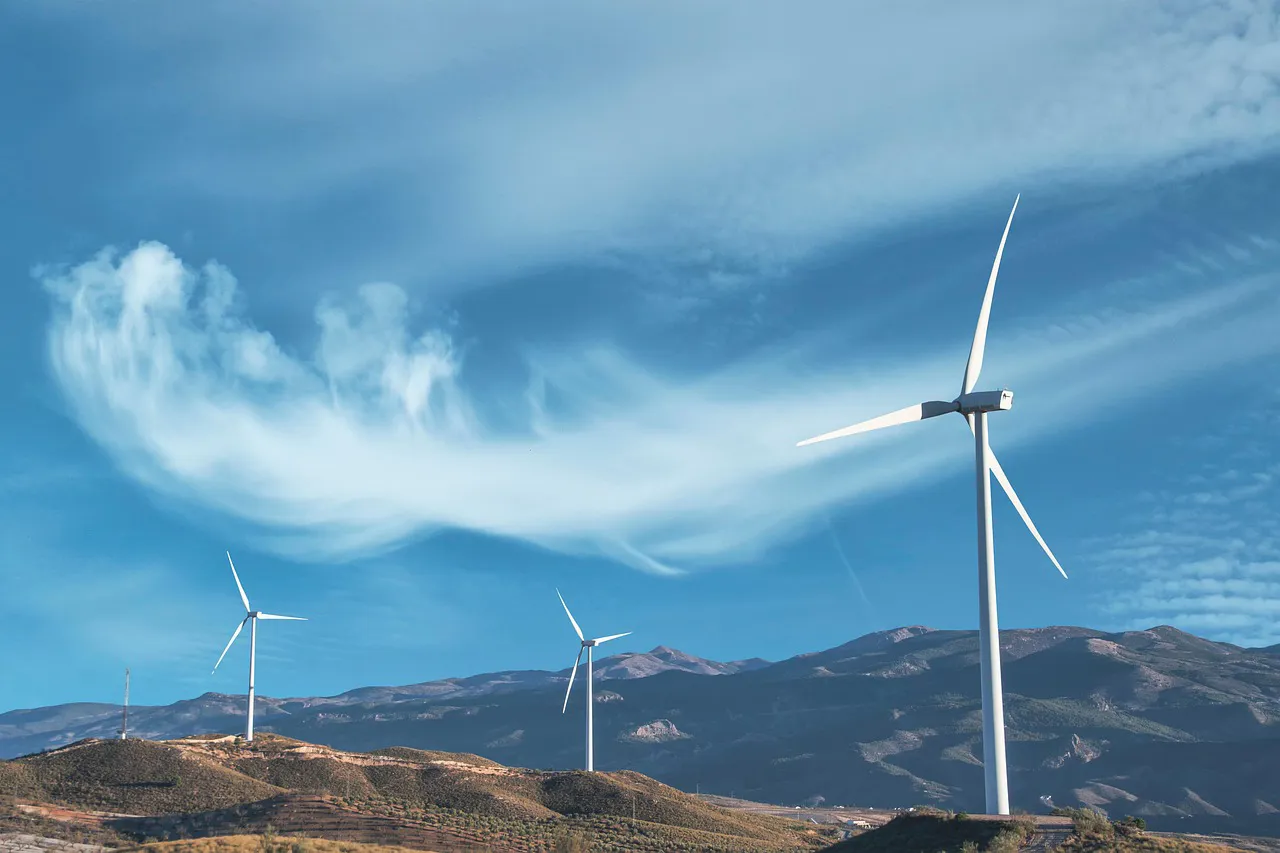
Wind energy supports the move away from coal, oil, and gas, but its expansion has brought increasing bat deaths. Researchers estimate that 18.7 million bats from 28 species died at US wind energy facilities between 1981 and 2024. Annual deaths rose from about 100,000 roughly two decades ago to 1.5 million by 2021 as wind energy grew.
Many bats collide with turbine blades, although scientists remain uncertain why. The machines' sound may attract them, or they may mistake turbines for trees. Searches can miss bodies because animals remove them or tall grass hides them. Researchers therefore used statistical methods to estimate deaths, including at wind farms that were not monitored.
Location and turbine design also affected the risk. Wind farms near rivers had higher death rates, as many bats depend on rivers for food, water, and finding their way. Turbines whose blades passed closer to the ground were particularly dangerous.
A separate study of 141 European wind farms found that stopping turbines during conditions especially favorable for bat flight could reduce deaths by more than 80%. Germany has required protective measures since around 2010, including checking risks before choosing sites and limiting operation during migration or weather when bats are most active. However, this operating strategy did not reduce deaths among migrating birds.