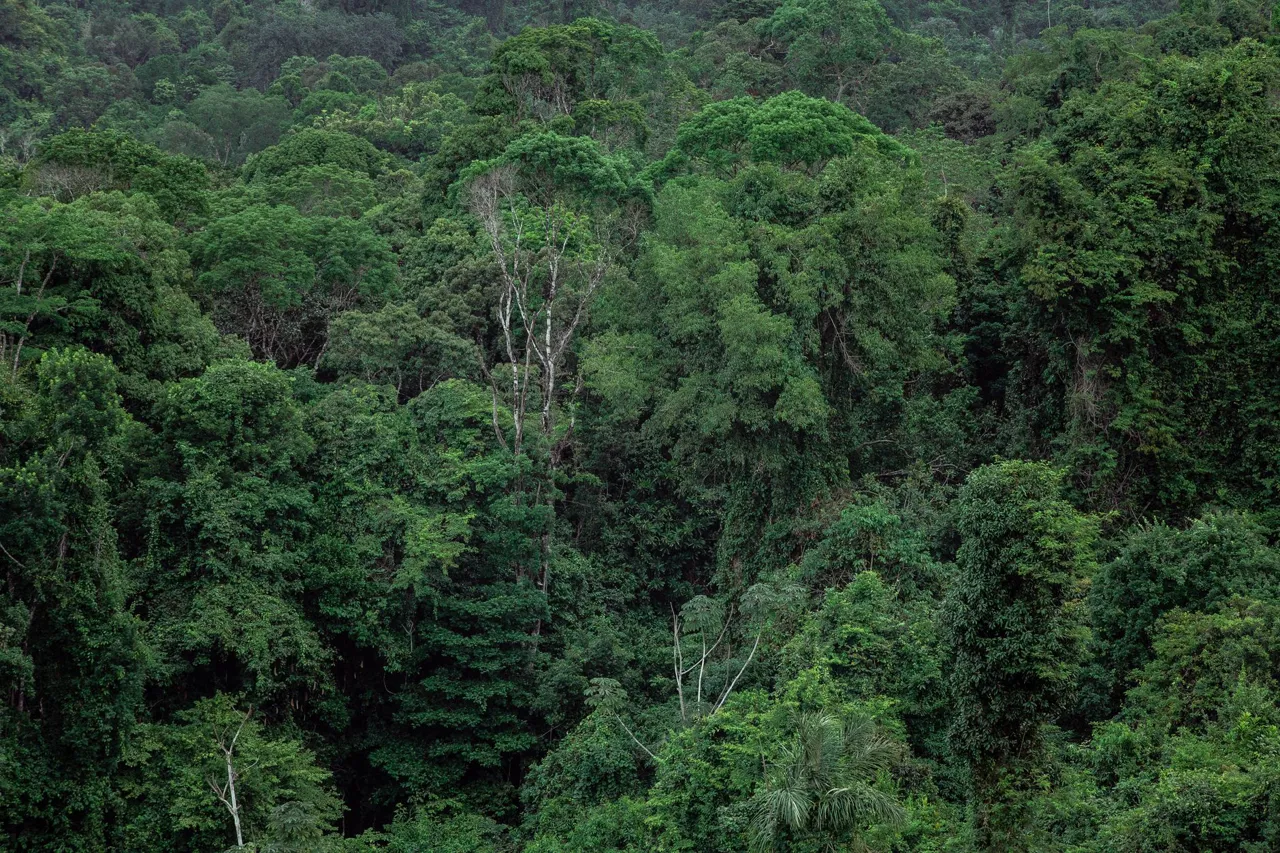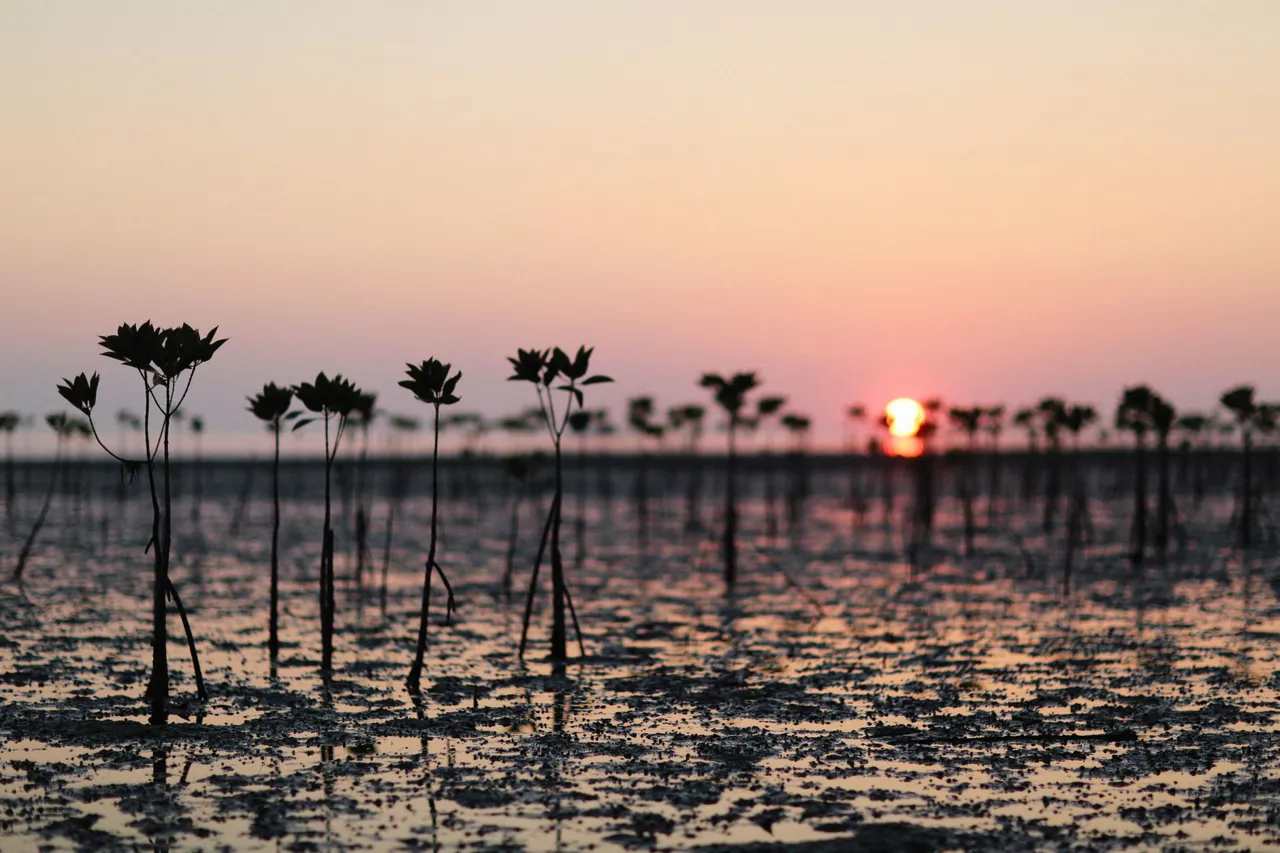
REVIVE, a nonprofit organization, is restoring mangrove forests in Veracruz, Mexico. Mangroves grow where land and sea meet. In the region, clearing and burning these forests for cattle caused the soil to sink, making it difficult for young trees to take root.
The team adopted a method inspired by Aztec farming: building raised mounds from wetland soil. Workers planted about 2,000 trees on hundreds of these mounds. When they returned to count them, more than 4,000 trees had taken root because the tides had carried additional young trees into the planting areas.
Restoring the forest also involved bringing back crocodiles, which hunters had eliminated locally. Since 2017, REVIVE has released around 80 crocodiles into the area. Project workers say the animals move soil while swimming and keep water channels open. Before their return, the team cleared blocked channels by hand and later used machines.
However, crocodile specialist Charlie Manolis questions the idea that these animals are essential to mangrove health. He points to northern Australia, where crocodiles were absent from mangroves for decades without apparent ill effects. Although he supports crocodile conservation, he warns that the animals can threaten nearby communities. He highlights the education campaign in northern Australia that taught people how to live safely alongside them.