A Johns Hopkins-led team has identified the receptor that allows a bacterial toxin associated with colorectal cancer to attach to intestinal cells. Published in Nature, the findings explain a mechanism that remained unresolved after researchers demonstrated in 2009 that the toxin could promote colon tumors.
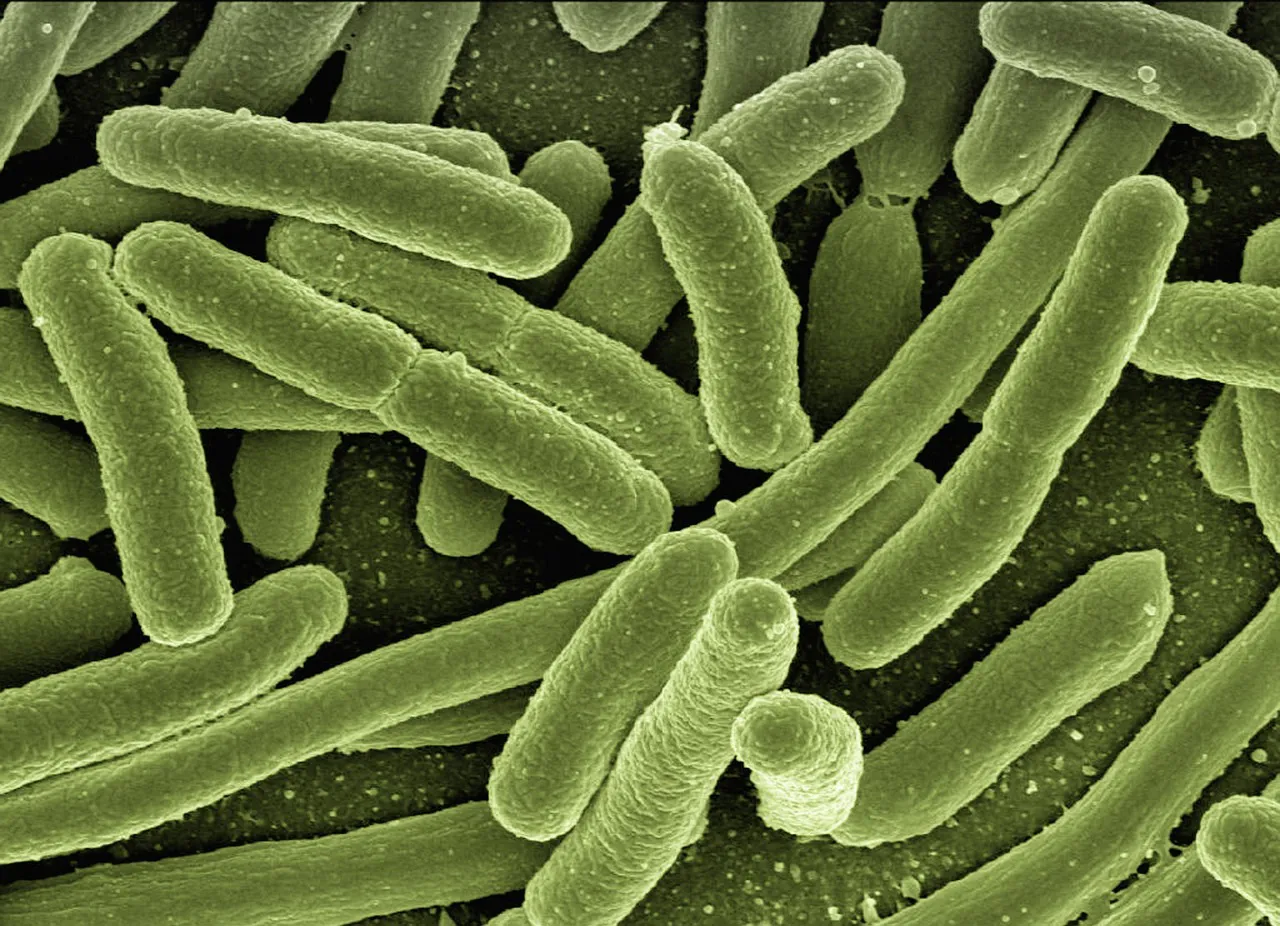
Bacteroides fragilis occurs in the intestines of up to 20% of healthy people, although carrying the bacterium does not automatically imply cancer will develop. Certain strains produce BFT, a toxin that can disrupt the colon's protective barrier, trigger inflammation, and encourage tumor growth. BFT damages E-cadherin, a protein that maintains connections between neighboring cells.
Using a genome-wide CRISPR screen, researchers systematically disabled genes in colon-lining cells. They found that eliminating claudin-4, a protein involved in sealing gaps between cells, prevented BFT from attaching and subsequently attacking E-cadherin. Laboratory experiments confirmed direct binding between the toxin and claudin-4, with one molecule of each forming a complex.
The mechanism surprised researchers because BFT is a protease, an enzyme that cuts proteins. Rather than acting directly on its target, it requires a separate receptor. Exploiting this dependence, the team created a soluble decoy protein containing claudin-4 sequences. The decoy intercepted BFT and protected mice from toxin-induced tissue damage.
The mouse experiments did not establish that the strategy prevents colorectal cancer, and its safety and effectiveness in humans require further testing. Researchers are exploring additional molecular approaches to block the toxin. Determining the precise three-dimensional structure of its interaction with claudin-4 could help guide the design of more effective compounds.