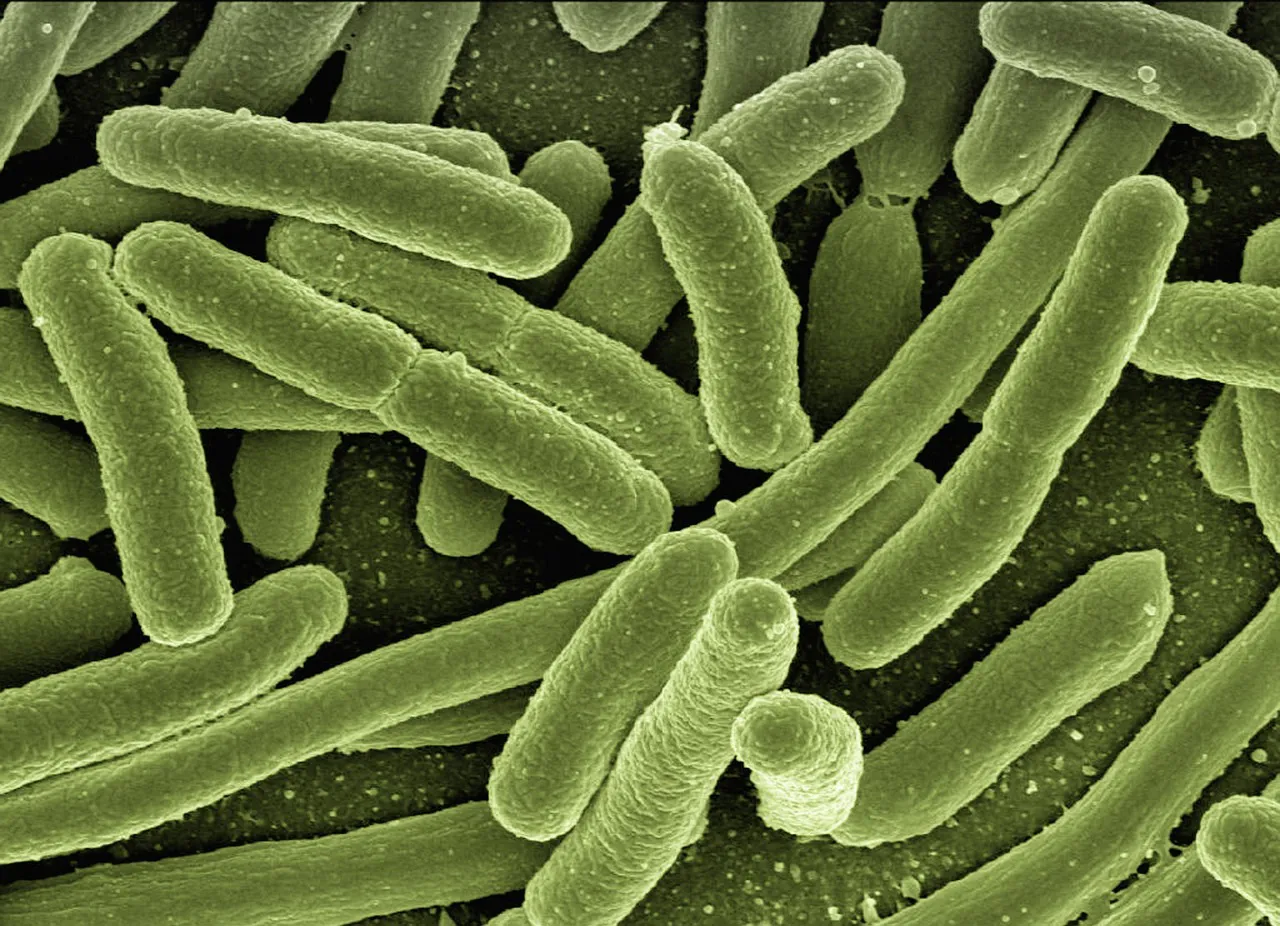
Scientists at Johns Hopkins studied bacteria that live in the gut. These bacteria appear in up to 20% of healthy people. Having them does not mean a person will get cancer. Some types make a harmful substance called BFT.
BFT can damage the inside of the colon, a part of the gut. It can also help cancer grow there. Scientists found that BFT first attaches to a protein called claudin-4 on colon cells. It then attacks another protein, E-cadherin, which helps hold cells together.
The team turned off genes in colon cells to learn how BFT works. Genes carry instructions for cells. Without the gene for claudin-4, BFT could not attach to the cells. It could not attack E-cadherin either.
The scientists then made a protein to catch BFT before it reached the cells. This protected mice from damage inside the gut. The tests did not show that it prevents cancer. Scientists still need to test whether this approach is safe and works in people.