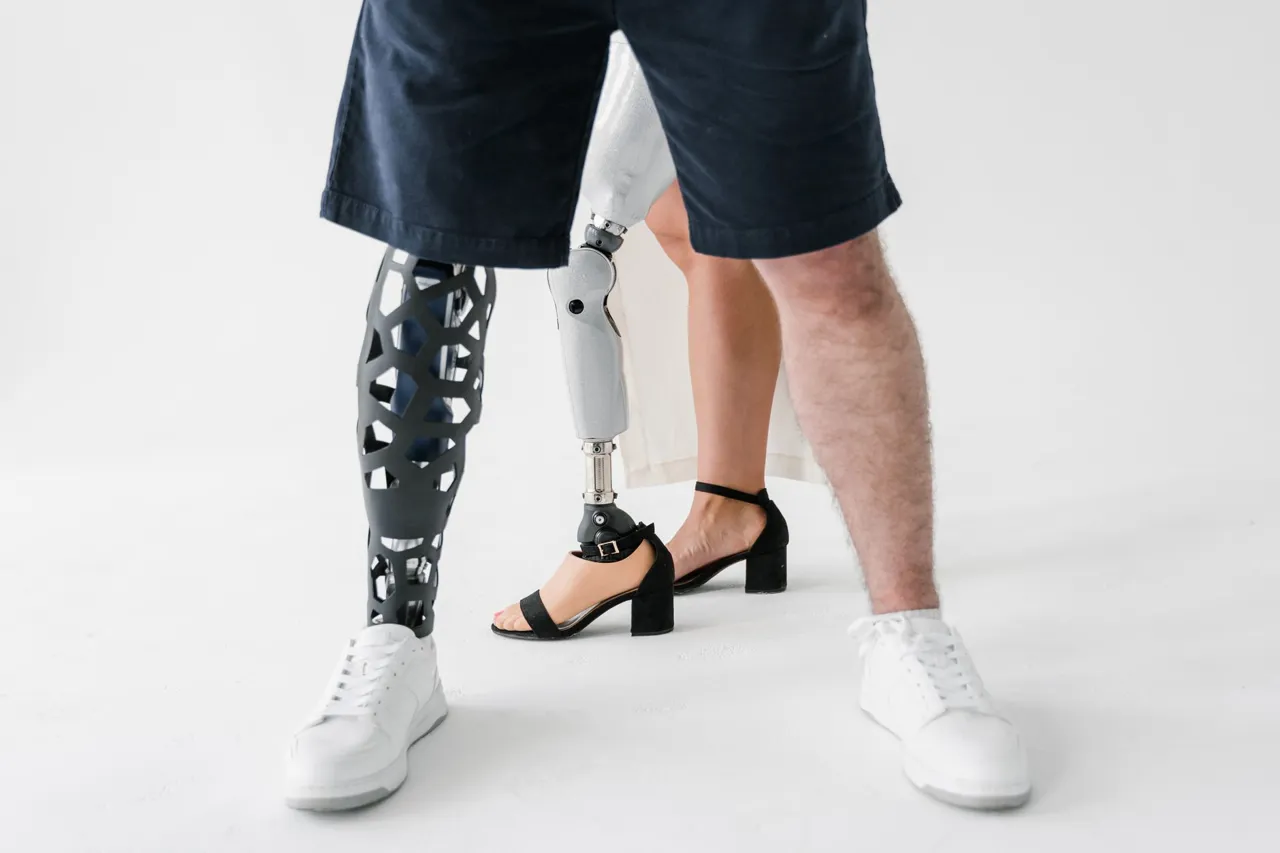
Researchers at MIT tested a new way to follow muscle movements. They put tiny magnets inside the muscles of three people. Each person had lost a leg below the knee. The method could help people control an artificial leg more naturally.
The magnets are about 3 millimeters wide. They work in pairs, and the space between them changes as a muscle moves. Small devices outside the body follow these changes through the skin. This shows how long the muscle is and how fast its length changes.
The three people had surgery to connect pairs of muscles in their remaining legs. This helps them feel the position and movement of their limbs. In the tests, they used their muscles to move a mark on a computer screen. They did not wear artificial legs during these tasks.
The team compared the magnets with devices that read electrical signals inside muscles or on the skin. The results suggest that magnets could give more exact and steady control. Sweat and signals from nearby muscles can cause problems for skin devices. Researchers are now testing the magnets with artificial limbs in a larger study.