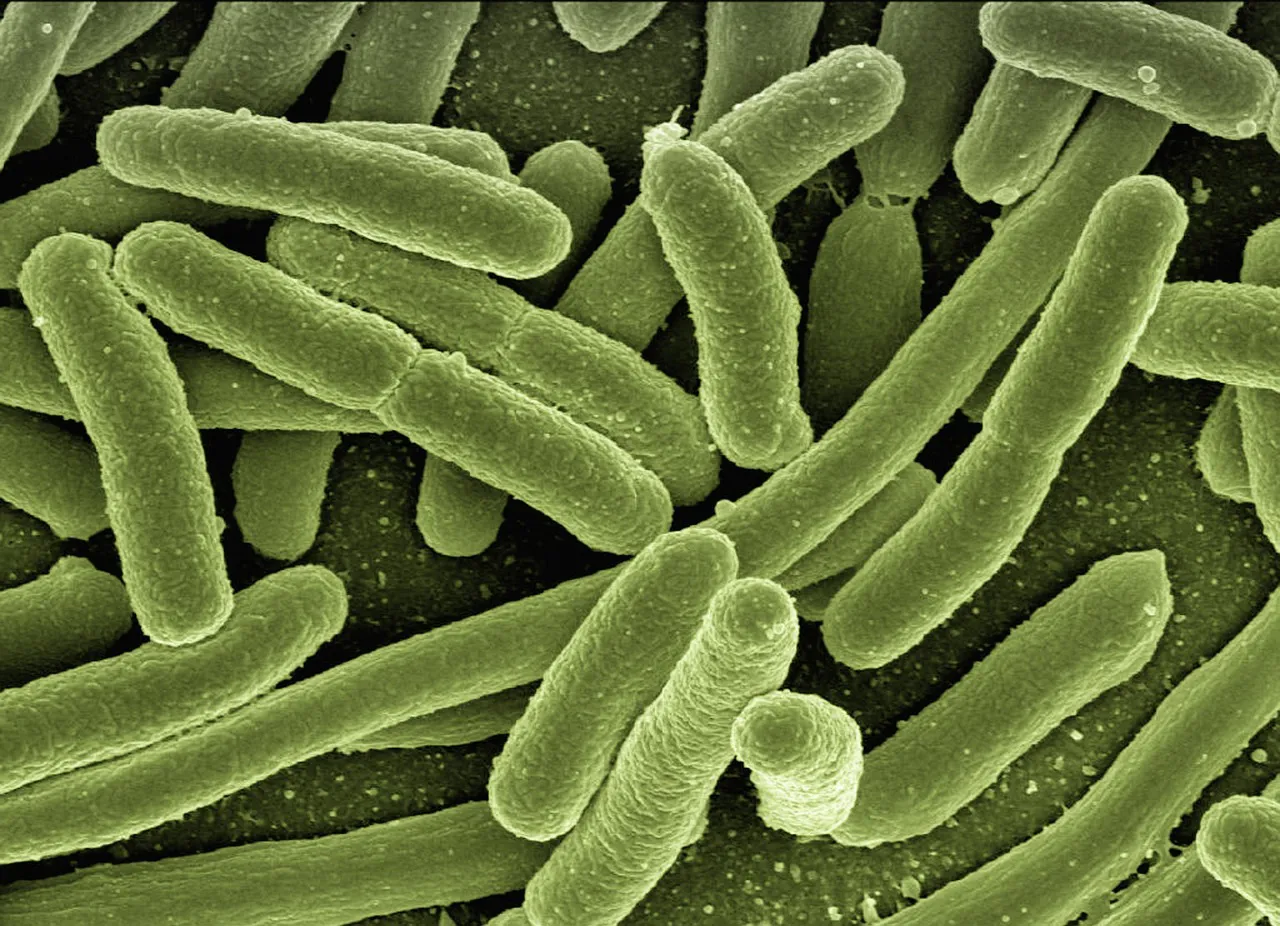
Researchers led by a Johns Hopkins team have identified how a bacterial toxin first attaches to colon cells. The bacterium, Bacteroides fragilis, lives in the intestines of up to 20% of healthy people. Its presence does not automatically mean someone will develop cancer, but certain strains produce a harmful toxin called BFT.
BFT can damage the colon's protective lining, cause inflammation, and encourage tumor growth. Scientists already knew it attacks E-cadherin, a protein that holds neighboring cells together. The new research shows that BFT must first attach to another protein, claudin-4, which helps seal the spaces between cells.
The team used CRISPR, a gene-editing tool, to switch off genes in colon cells. When they disabled the gene responsible for claudin-4, the toxin could no longer attach to the cells or attack E-cadherin. Laboratory experiments also confirmed that BFT binds directly to claudin-4.
Using this finding, researchers developed a decoy protein containing parts of claudin-4. BFT attached to the decoy instead of colon cells, protecting mice from toxin-related tissue damage. These results do not establish that the approach prevents colorectal cancer. Further testing is needed to determine whether it can safely and effectively prevent toxin-related disease in humans.