Lucid dreaming, in which sleepers recognize that they are dreaming and may influence the dream’s course, appears to be a trainable skill. Researchers at the University of Trento in Italy studied 38 university students, finding that a month of twice-weekly training combining meditation and virtual reality increased lucid dreaming.
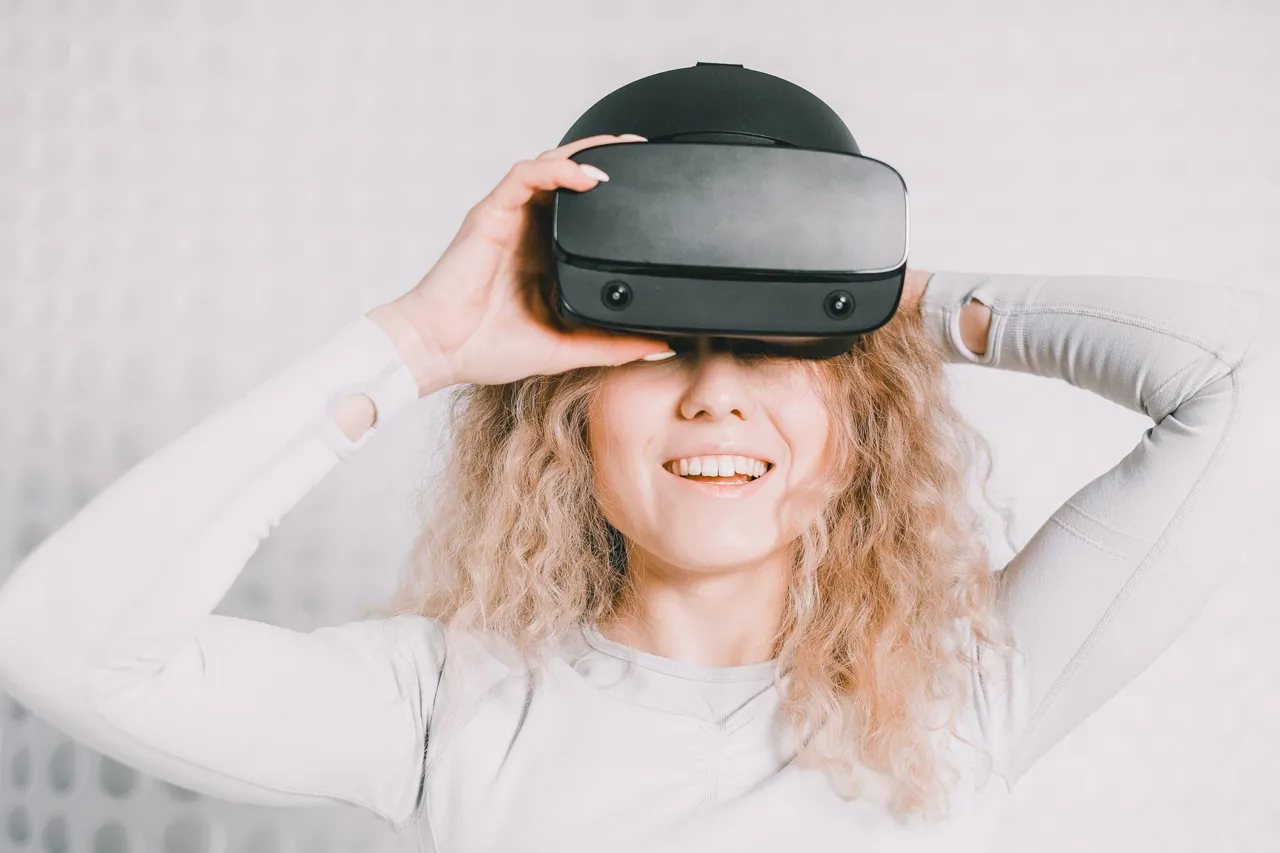
Participants first meditated to strengthen awareness of their current thoughts, then entered dreamlike VR simulations. When confronted with impossible physical events or abrupt scene changes, they performed reality checks, questioning whether they were dreaming. At home, they recorded dreams each morning and completed daily questionnaires about dream recall and lucidity.
The intervention group experienced lucid dreams four times as frequently as participants who practiced reality checks without meditation or VR. A second comparison group, which performed reality checks in realistic VR environments, was over eight times less likely to report lucid dreams. This comparison indicated that VR exposure alone did not account for the findings.
Earlier attempts to encourage lucid dreaming included meditation and waking reality checks, intended to become habits that carry into sleep. Such checks have produced inconsistent results, partly because everyday life rarely resembles a dream. Dreamlike VR offers unusual situations in which participants can rehearse questioning their experiences.
The small sample limits the findings, and because neither control group meditated, the relative contributions of meditation and dreamlike VR remain unclear. A follow-up study removes meditation to investigate VR’s role. Daniel Morris, a Northwestern University dream researcher uninvolved in the work, said lucid dreaming could help people transform nightmares into positive dreams and experience greater control within them.