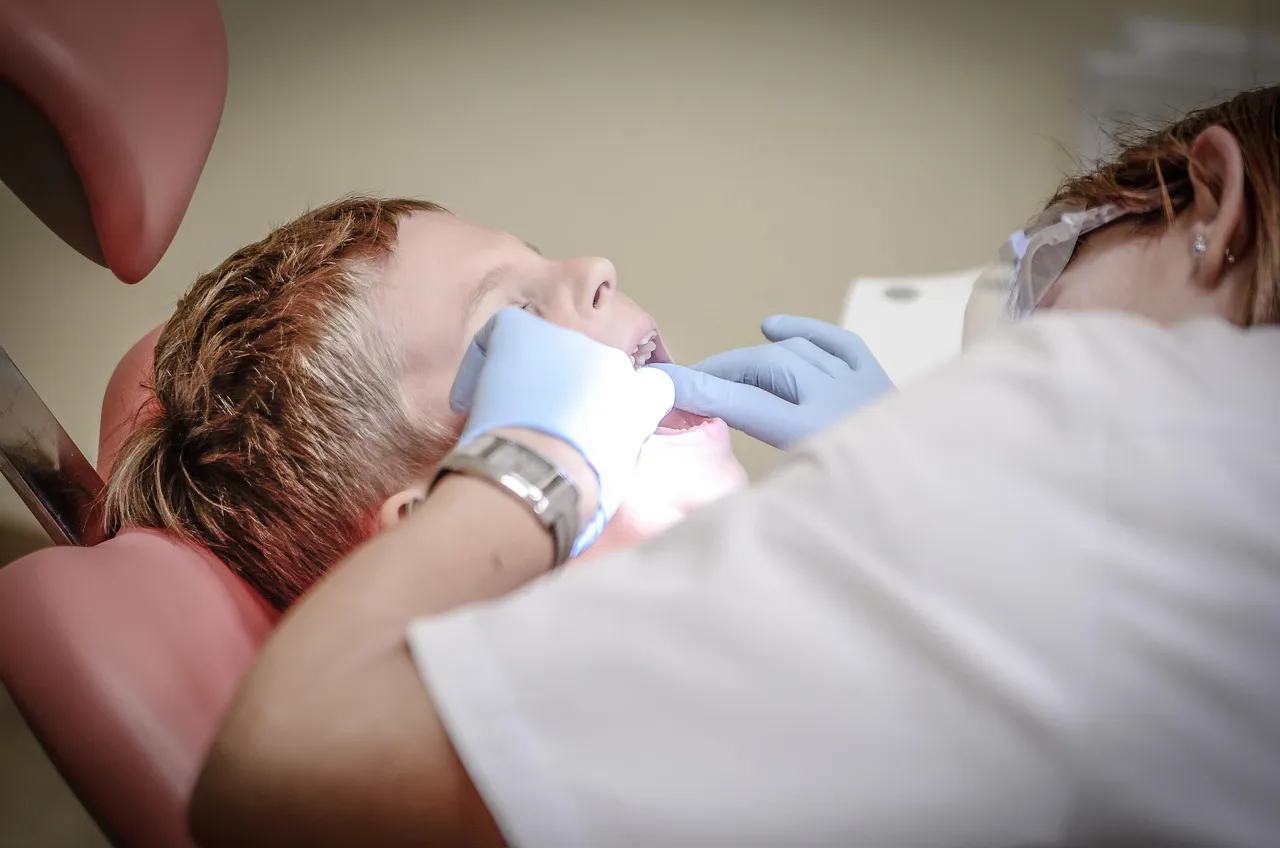
A University of Michigan-led clinical trial has strengthened the evidence for silver diamine fluoride, or SDF, as a treatment for childhood cavities. Applied with a small sponge-tipped tool, the inexpensive liquid takes seconds per tooth and requires neither drilling nor injections or sedation.
The Phase III trial, published in JAMA Pediatrics, enrolled 830 children younger than 6 through dental clinics, pediatric practices, and early childhood programs in Michigan, New York, and Iowa. A 38% SDF solution arrested decay in more than half of affected baby teeth when applied at six-month intervals. Silver combats bacteria associated with decay, while fluoride strengthens teeth against further damage.
Unlike a filling, SDF does not restore lost tooth structure. Its principal drawback is permanent darkening of the decayed area, particularly visible on front teeth. It is also unsuitable for some cavities, and arresting decay does not necessarily remove the need for subsequent dental work. Nevertheless, controlling decay could help prevent pain, infection, and difficulties with eating and sleeping.
Although dentists have used SDF internationally for decades, its US regulatory authorization remains narrower. The Food and Drug Administration approved it as a medical device for tooth sensitivity in 2014; cavity treatment is an off-label use. The trial tested Advantage Arrest 38% SDF, supplied by Elevate Oral Care, and provides evidence the manufacturer can use in seeking drug approval for arresting decay.
Researchers say broader acceptance could extend treatment into pediatric medical settings, since some children see physicians years before visiting a dentist. For some children, repeated applications may control a cavity until the baby tooth falls out naturally. Older adults and people who struggle to tolerate or obtain conventional dental care could also benefit.