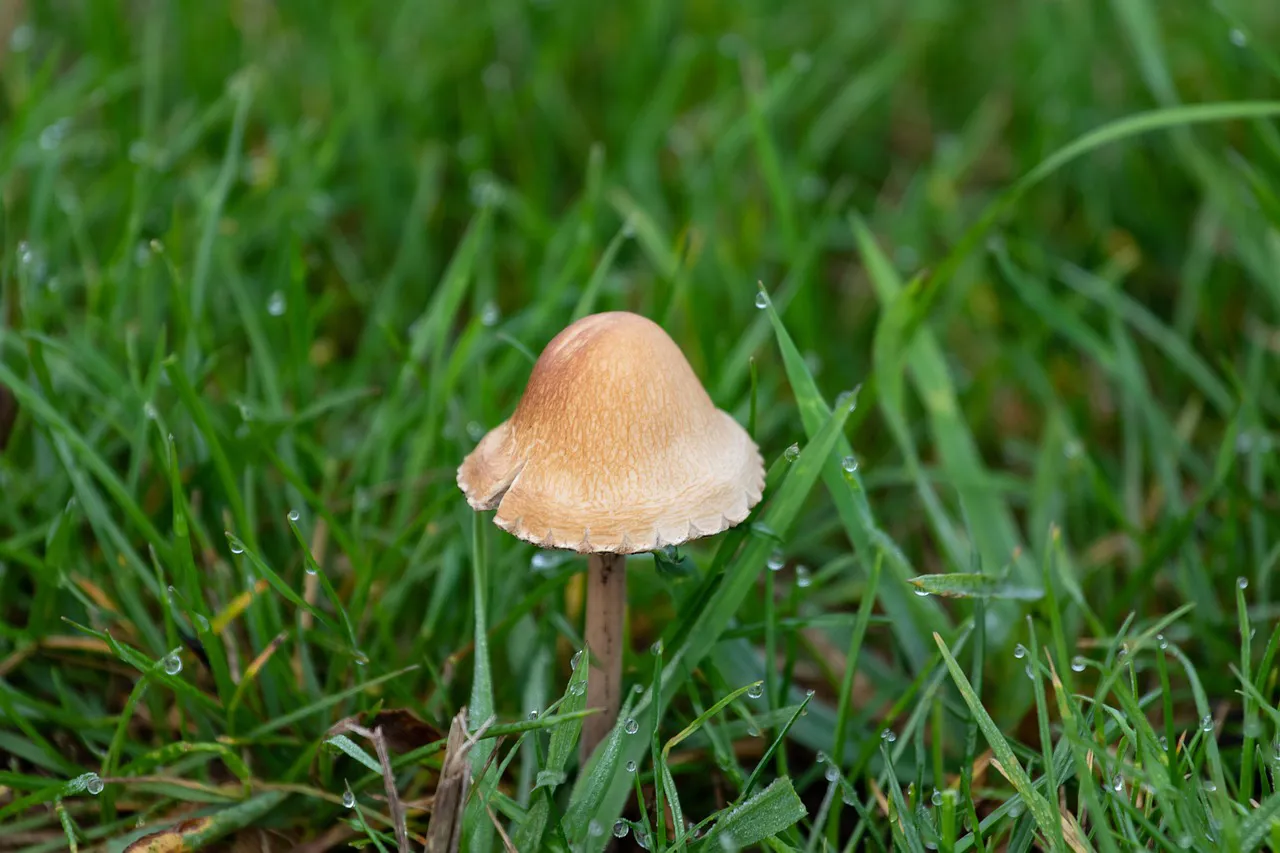
A wild mushroom associated with vivid visions of miniature people may contain a previously unidentified hallucinogenic compound. University of Utah researchers used DNA sequencing to establish that mushrooms linked to these experiences in southwestern China and the northern Philippines belong to the same species, Lanmaoa asiatica. Its range had previously been thought limited to China.
The mushroom forms part of local food traditions, but insufficient cooking can trigger hallucinations. People describe dozens or hundreds of tiny figures that appear convincingly solid and interact with their surroundings, navigating obstacles or tumbling from tables. These experiences are known as Lilliputian hallucinations, a reference to the miniature inhabitants of “Gulliver’s Travels.”
Despite chemical testing and genetic analysis, researchers detected no established mushroom hallucinogens, including psilocybin. They therefore suspect an unfamiliar psychoactive substance, which they now aim to isolate and identify. The findings support a biological explanation for experiences that some earlier researchers had attributed to cultural expectations.
Identifying the compound could provide a tool for investigating visual perception. Similar hallucinations occur in conditions including dementia, macular degeneration, and alcohol withdrawal, although their neurological mechanisms remain poorly understood. The mushroom’s relatively consistent effects could help researchers examine the brain processes underlying these detailed visions.
The investigation also expanded knowledge of mushroom diversity. An analysis of 53 specimens revealed 17 species within the Lanmaoa genus, including four previously unknown to science. Two of those newly recognized species were already preserved in US collections, demonstrating how genetic techniques can uncover discoveries in existing specimens.