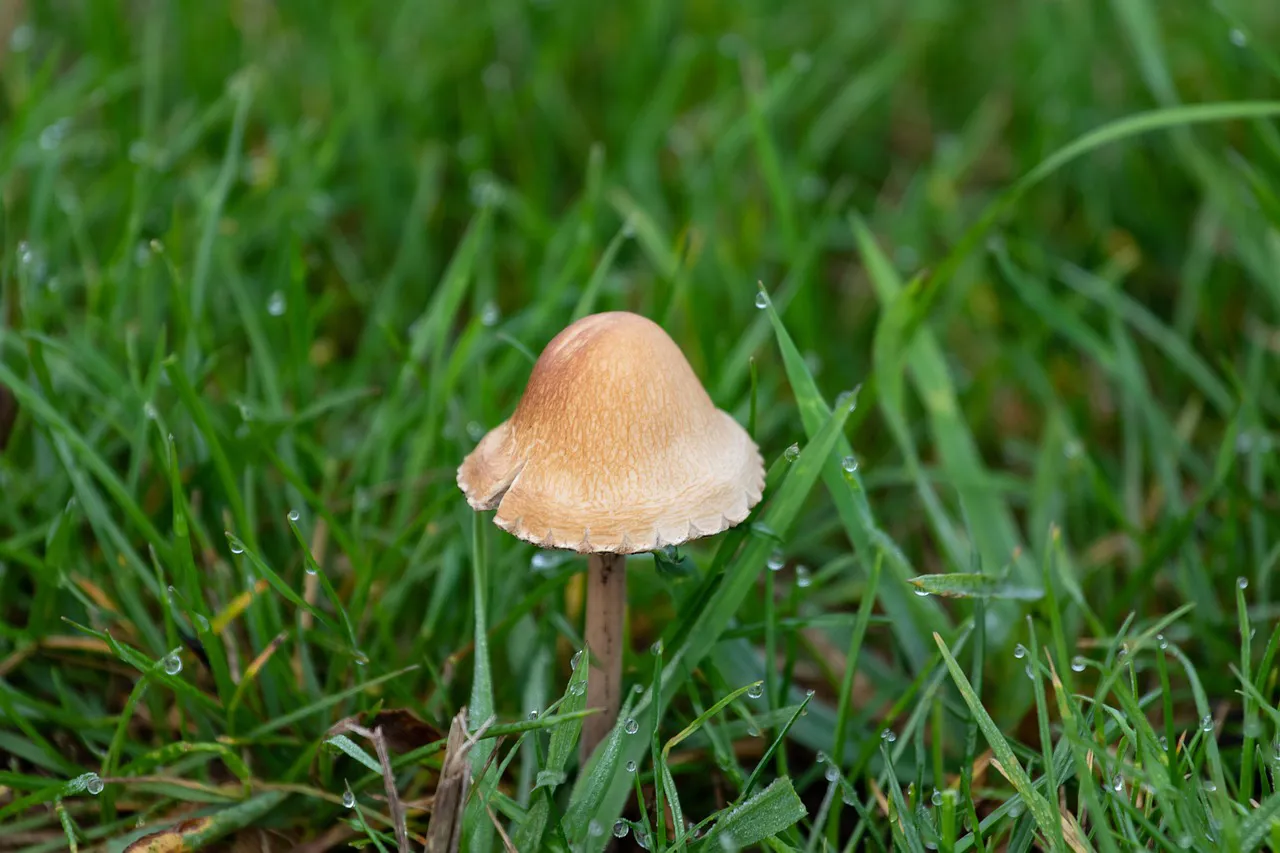
Eating a certain wild mushroom can cause people to see dozens or hundreds of tiny human figures. These hallucinations—visions of things that are not really there—can seem remarkably real. The figures appear to walk around objects, climb over surfaces, and sometimes fall from tables.
University of Utah researchers used DNA testing to identify the mushroom as Lanmaoa asiatica in southwestern China and the northern Philippines. Scientists had previously thought this species lived only in China. The mushroom is part of local food traditions, but eating it without cooking it thoroughly can cause these unusual visions.
The team searched for known chemicals that cause hallucinations, including psilocybin, but found none. They suspect the mushroom contains a different substance that has not yet been identified. Finding and identifying this chemical is their next major goal.
The discovery could also help researchers understand how the brain processes what people see. Similar visions of miniature people sometimes occur in people with dementia, certain eye conditions, or alcohol withdrawal. Because this mushroom produces a recognizable pattern of visions more consistently, identifying its active chemical could give scientists a useful way to investigate these experiences.