Kevin Weil, who headed OpenAI’s science unit until his departure in April, has launched Warp Sciences with $215 million in financing. Led by Lightspeed Venture Partners, the investment round values the startup at $865 million, including the newly raised capital. The company aims to establish a fully automated US laboratory for a stage of drug development traditionally outsourced to Chinese contractors.
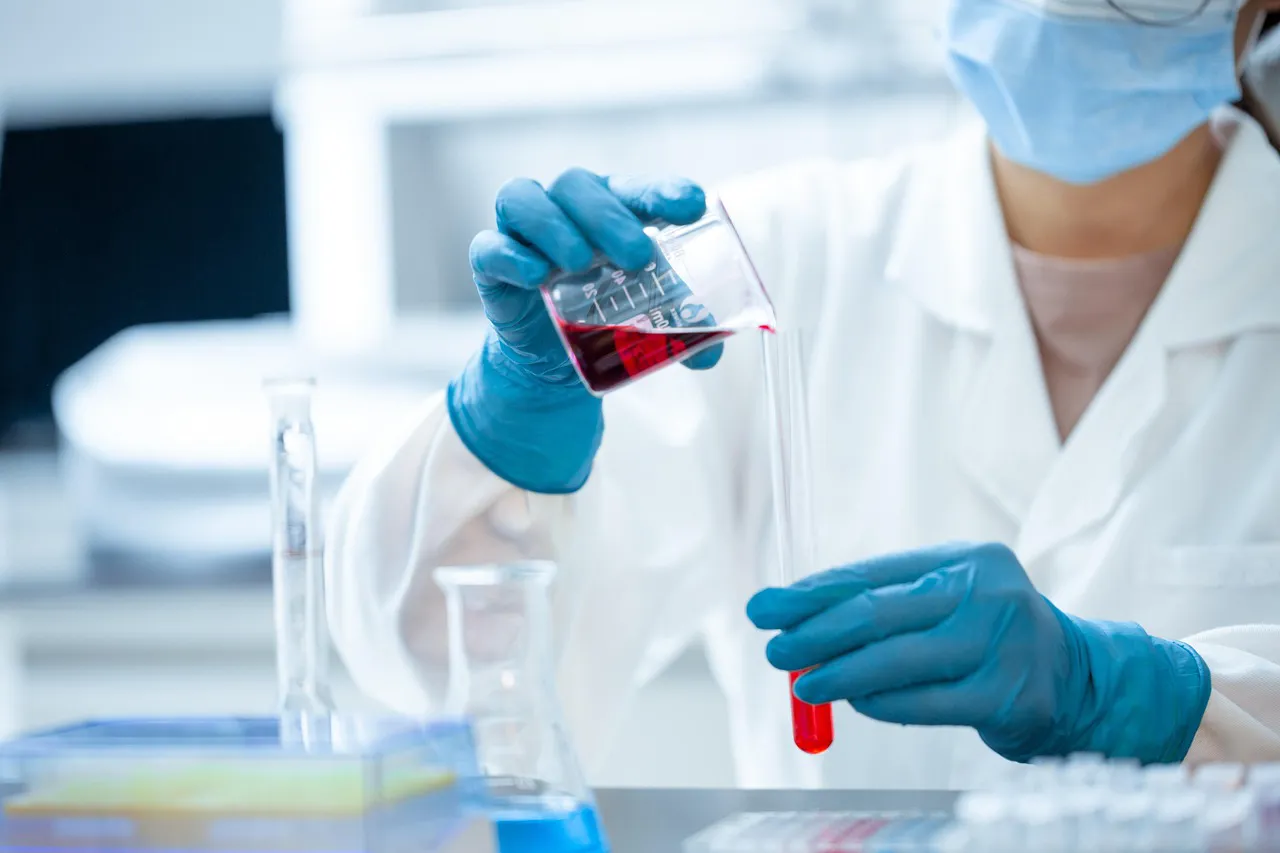
Rather than discovering drugs itself, Warp will refine promising molecules identified by researchers. That process can require hundreds or thousands of variations to improve effectiveness while reducing side effects. Pharmaceutical companies have long relied on Chinese providers, particularly WuXi AppTec, for their lower costs and faster execution. However, geopolitical tensions between Washington and Beijing have heightened the risks associated with that dependence. According to Weil, some drugmakers are also concerned about disclosing sensitive information to Chinese contractors.
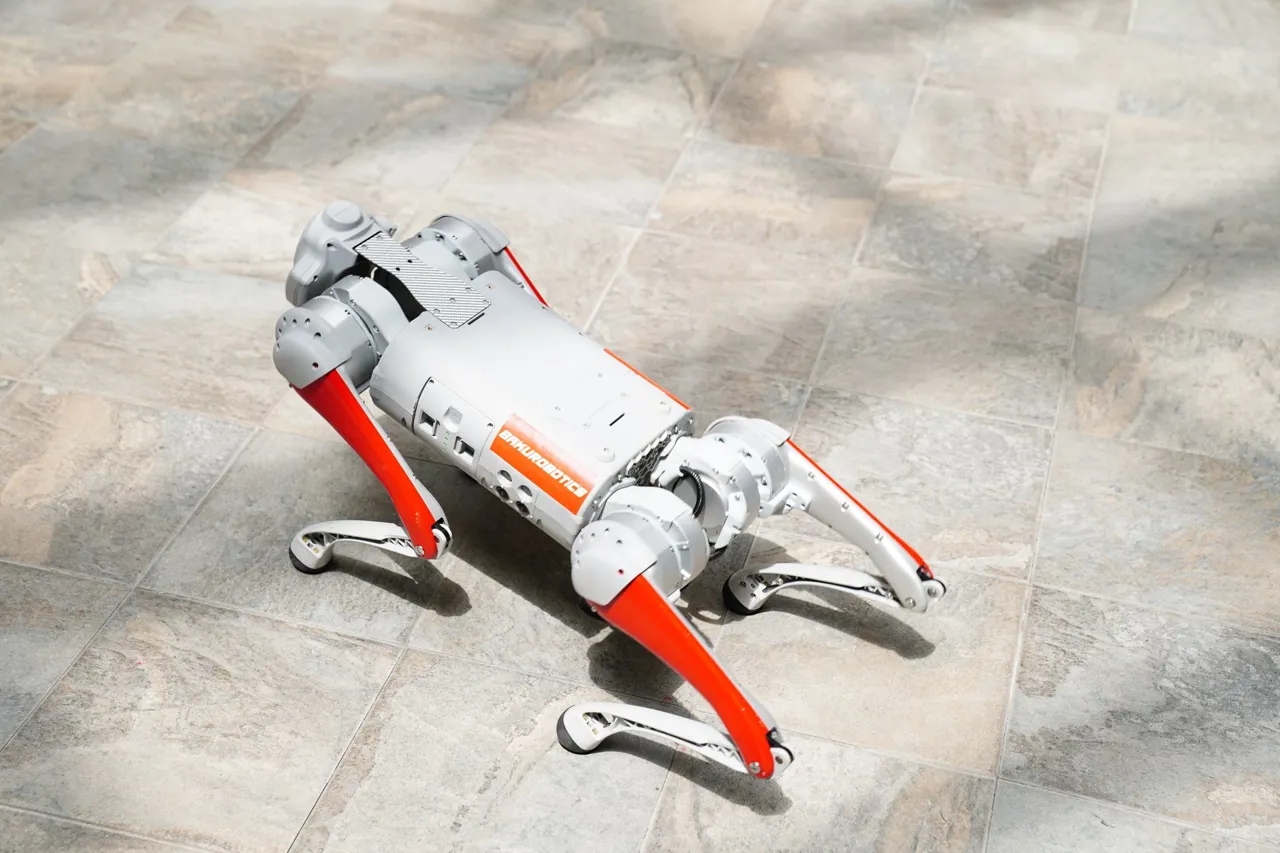
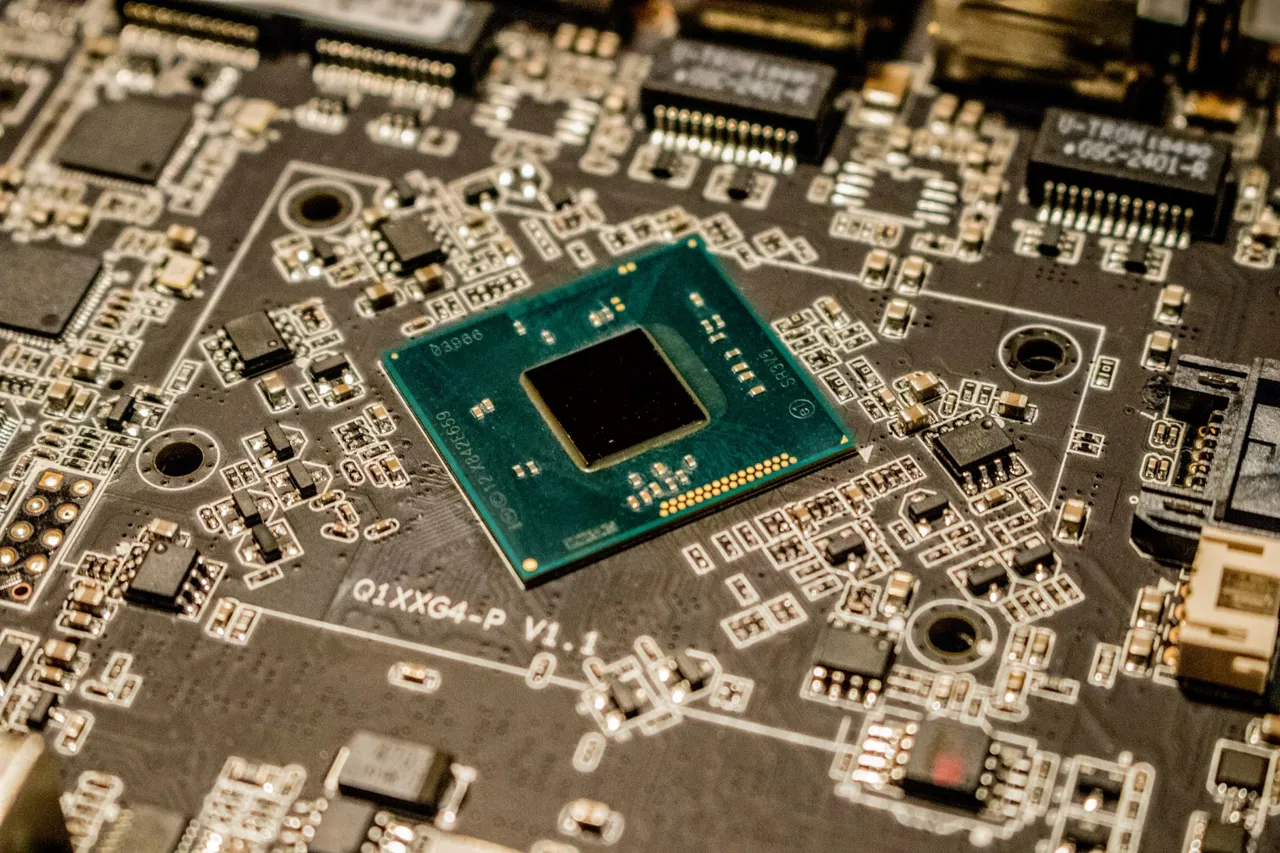
Warp’s roughly 20-person team has already acquired robotic arms and AI chips as it prepares to move this work to the United States. Its chemists will conduct experiments while wearing cameras and pressure-sensing gloves, generating data to train the company’s proprietary AI models. Weil argues that advanced AI has not yet transformed this experimental field to the extent that it has changed software engineering and mathematics. His approach centers on supplying models with experimental observations, reflecting the importance of laboratory data to improving their capabilities in drug development.