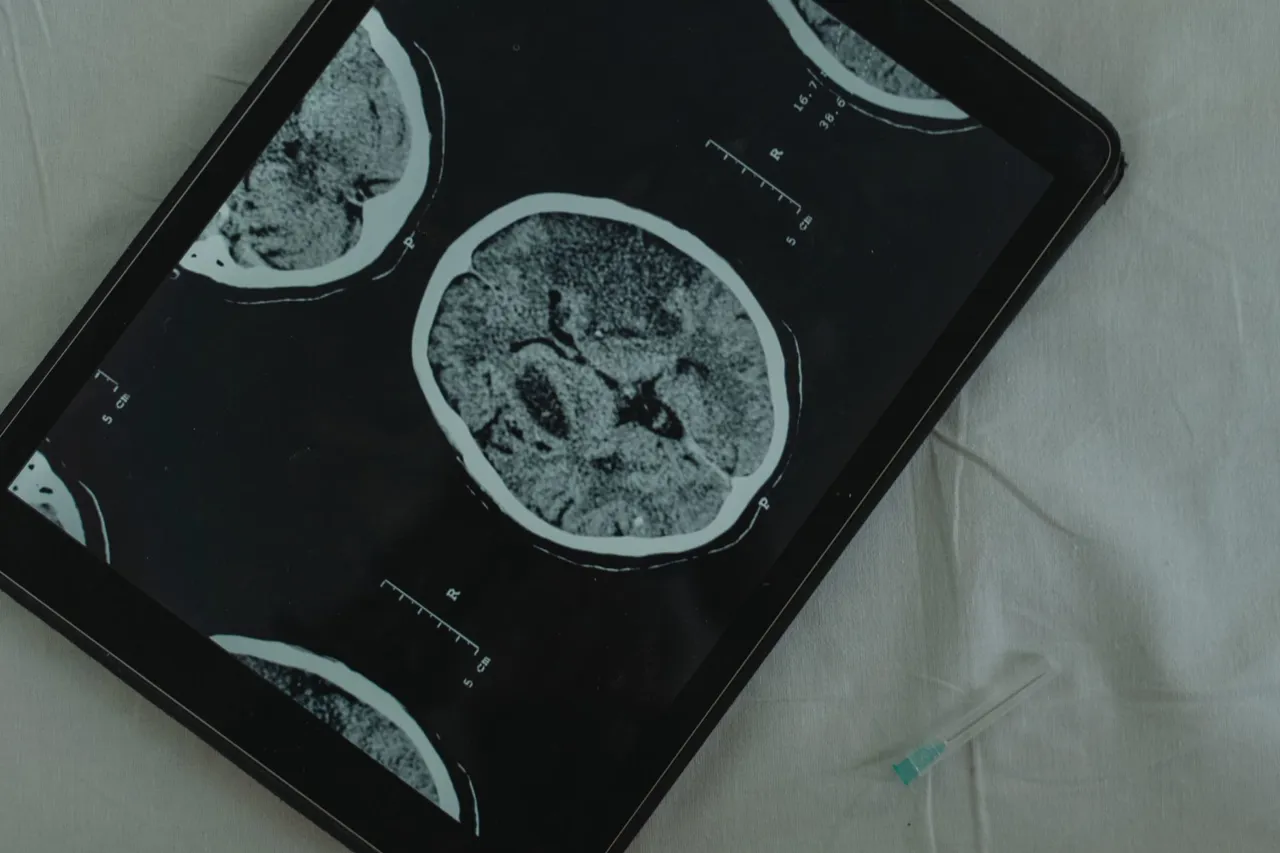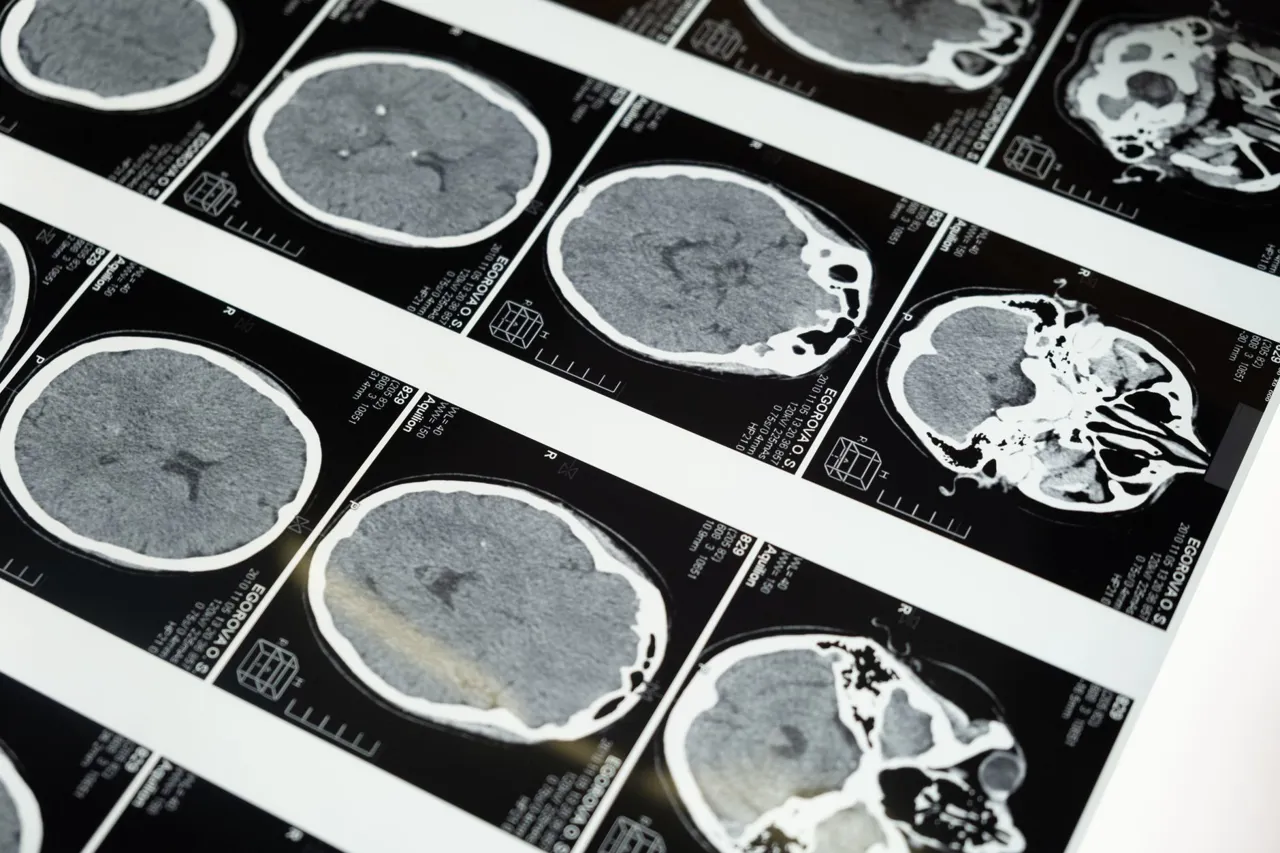
Nearly three-quarters of former NFL players who died from January 2008 through December 2023 may have had chronic traumatic encephalopathy, or CTE. The Boston University study, published October 28 in JAMA Network Open, provides the first population-level estimate of the disease among NFL players.
The analysis included more than 2,300 deceased players, almost 400 of whom had brain samples in the university’s UNITE Brain Bank. The remaining players were identified through the US National Death Index. CTE can be diagnosed only after death through an examination of the brain.
A central challenge was accounting for donation bias: families of players who had experienced CTE-related symptoms were five times more likely to donate their relatives’ brains than families of players without such symptoms. Adjusting for that imbalance produced an estimated prevalence of 74.5 percent. By comparison, a 2017 analysis of donated brains had estimated a rate of 99 percent.
CTE is associated with repeated blows to the head and involves abnormal, damaging accumulations of a protein called tau. People subsequently diagnosed with the disease may have experienced memory difficulties, impaired concentration, depression, and poor impulse control. Researchers also estimate that roughly one-quarter of the deceased players had dementia, a common feature of late-stage CTE.
The disease can also occur among people exposed to intimate partner violence or military combat. Research involving American football players suggests that longer exposure to repeated head trauma is associated with both greater CTE risk and more severe disease.