A federal judge in Brazil's Mato Grosso state has ordered non-Indigenous occupants to vacate the Piripkura Indigenous Territory within 120 days. Issued on October 7, the ruling requires the removal of employees, cattle, machinery, and other movable property. Noncompliance carries a daily fine of 500 Brazilian reais, approximately $93.
At least two Piripkura people live in voluntary isolation within the territory, and Funai, Brazil's Indigenous affairs agency, has not ruled out the presence of others. Although special restrictions have protected the area since 2008, a 2025 court decision provisionally permitted some ranchers to remain. The new ruling reverses that permission.
The earlier decision relied on a provision of the Marco Temporal law allowing certain occupants to retain land-use rights pending completion of the territory's formal recognition and compensation for improvements made in good faith. Brazil's Supreme Court declared that law unconstitutional in December 2025.
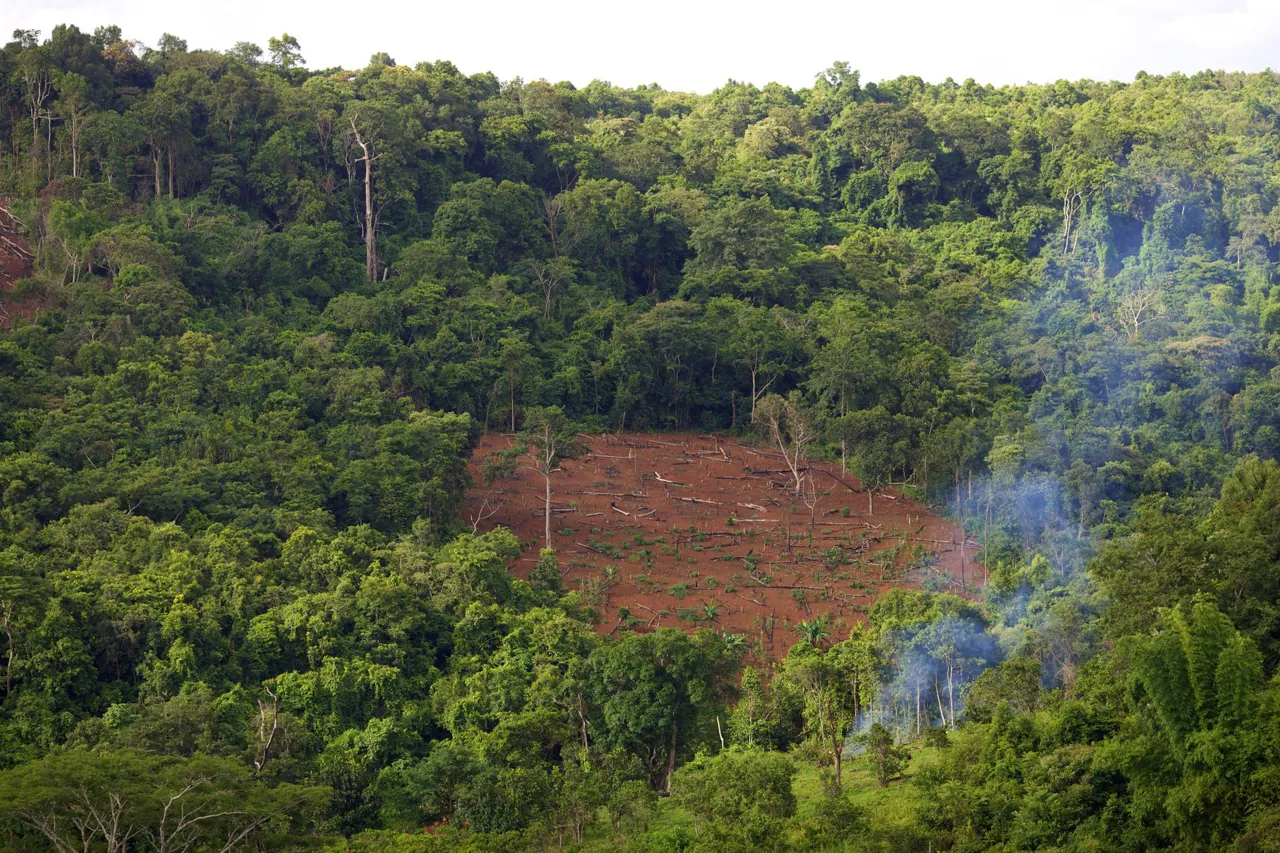
Recent inspections documented renewed illegal clearing associated with cattle ranching, including 36.83 hectares, or 91 acres, attributed to one rancher. Officials also reported clandestine airstrips allegedly used for drug trafficking. Funai warned that criminal activity heightens the risk of violence and unwanted contact, which could transmit diseases against which the isolated Piripkura have no immunity.
Funai will oversee enforcement, supported as necessary by environmental and security agencies. Voluntary departure is the priority, though forced removal with police assistance remains possible. Authorities face poor roads, cattle, and heavy machinery while needing to prevent contact with isolated residents and additional environmental damage. Meanwhile, formal recognition of the territory remains unfinished, more than 40 years after it was first proposed, according to Survival International researcher Priscilla Oliveira.