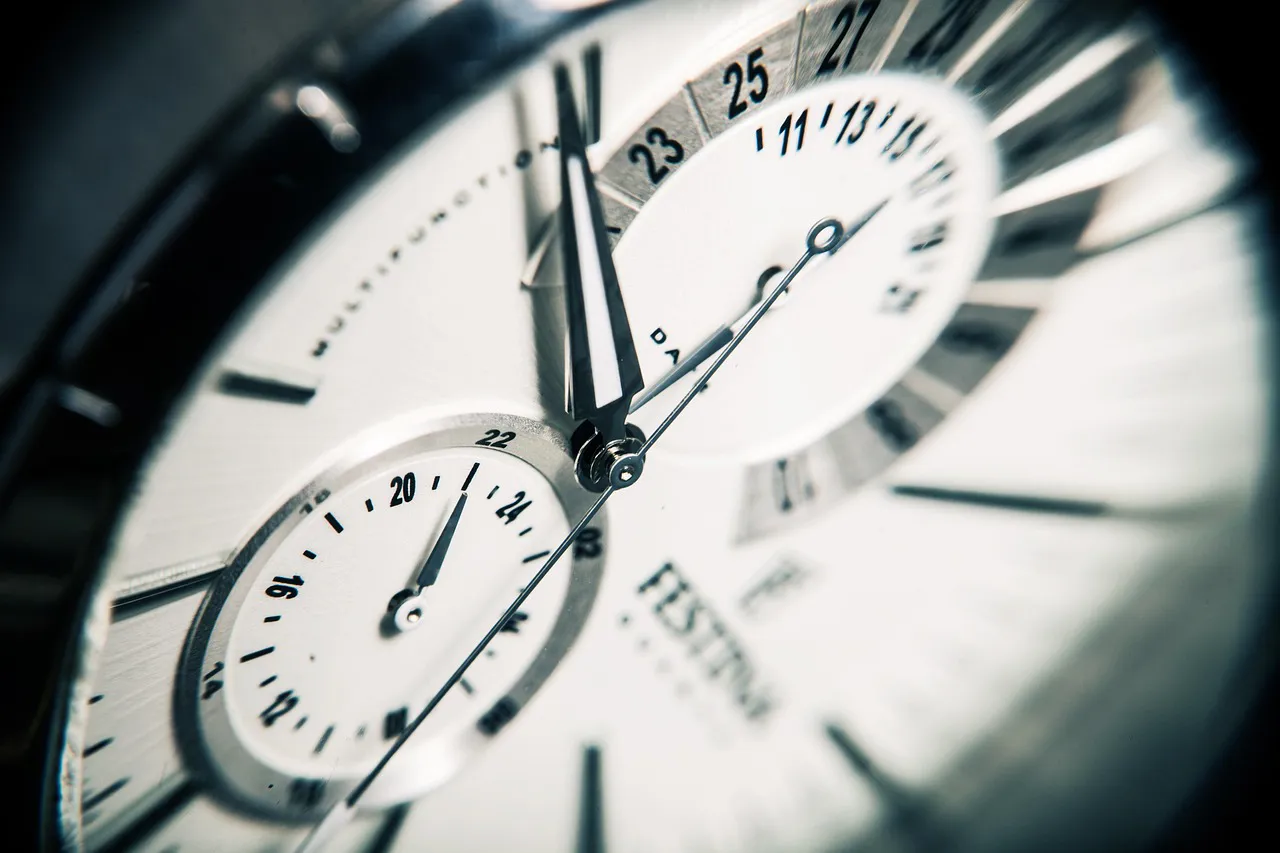
People across Europe still move their clocks forward in spring and back in fall. On October 25, 2026, clocks in much of Europe go back from 3 a.m. to 2 a.m. People who do not work at night can sleep for an extra hour. After the change, mornings get light earlier. Evenings get dark earlier, too.
Many people want to end these changes. In 2018, the European Union asked people for their views. Among the people who answered, 84% wanted to stop changing the clocks. In 2019, the European Parliament voted on a plan to end the changes. The plan won 410 votes, with 192 votes against it. The changes were supposed to stop in 2021.
But EU countries still do not agree. Some want to keep summer time all year. Others want to keep winter time. Different choices could cause problems for businesses and for organizing activities across countries. The countries need to agree before the plan can go ahead. The COVID-19 pandemic and Russia's full-scale war in Ukraine also took attention away from the issue. The clock changes are unlikely to end soon.