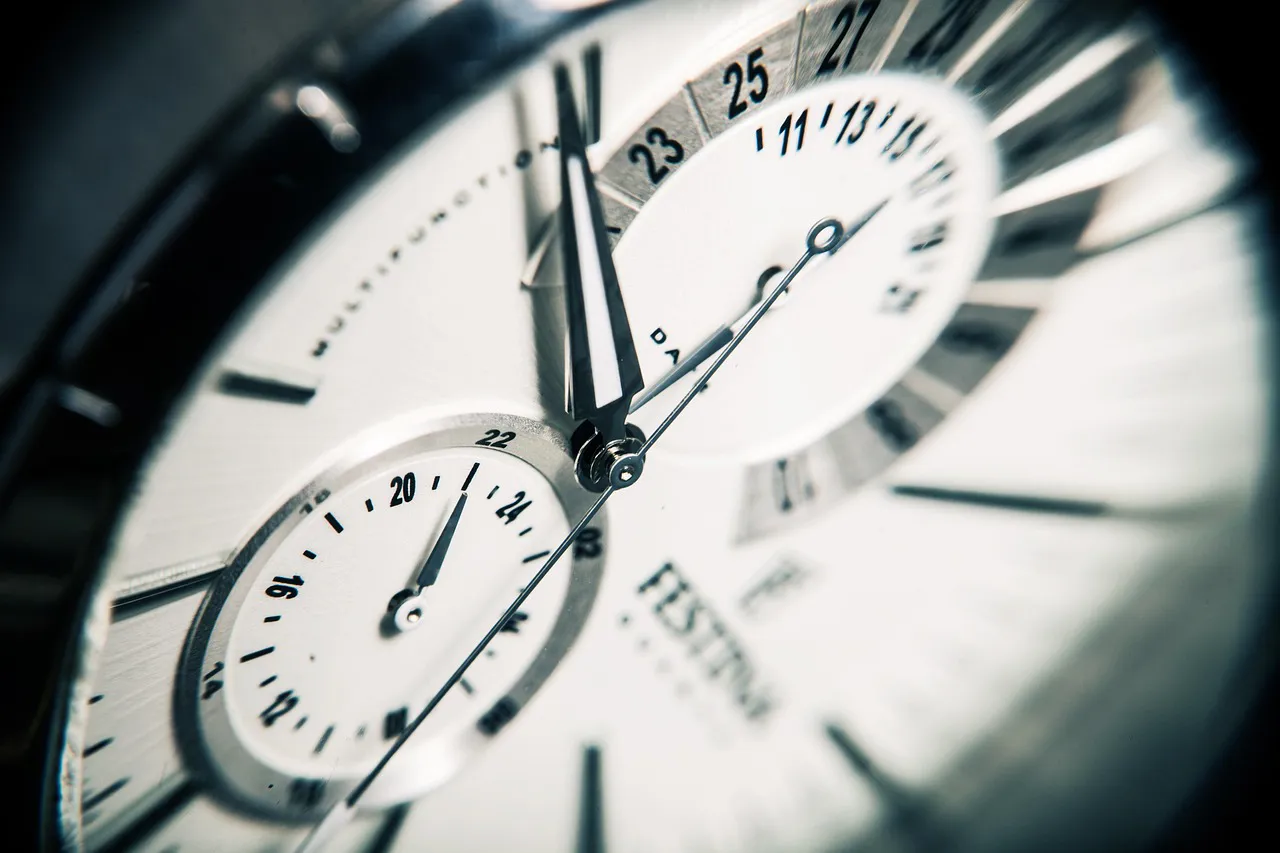
Europeans continue to change their clocks twice a year, moving them forward in spring and back in fall. On October 25, 2026, clocks in much of Europe will move back from 3 a.m. to 2 a.m. This gives people who are not working overnight an extra hour to sleep. Morning light will arrive earlier, while evenings will become dark sooner.
There has been strong support for ending the seasonal changes. In an EU-wide public consultation in 2018, 84% of those who responded supported ending them. The European Parliament then approved a European Commission proposal in 2019, with 410 votes in favor and 192 against. Under that plan, the twice-yearly changes were supposed to end in 2021.
However, a final law still needs approval from EU member countries, which have not agreed on a permanent system. They remain divided over whether to keep summer time or winter time throughout the year. Different national choices could create economic and organizational difficulties, so the plan is waiting for a joint solution. The pandemic and Russia's war in Ukraine also lowered the issue's political priority. An end to clock changes is therefore unlikely in the near future.