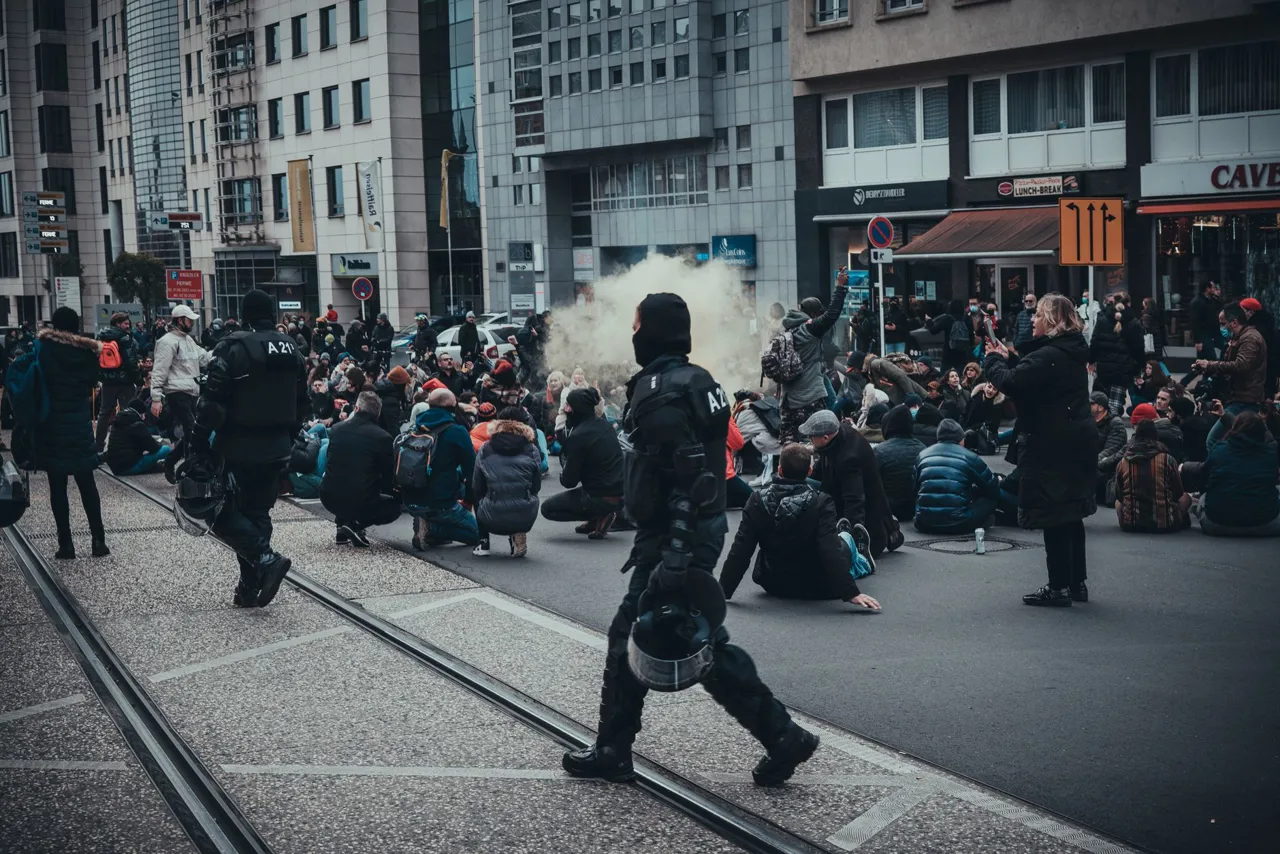
Unrest in France, Italy, Belgium, and Spain has led to competing claims about foreign involvement. Italian Defense Minister Guido Crosetto described the Milan riots as part of a “hybrid war,” involving tools such as TikTok and YouTube. French President Emmanuel Macron drew a distinction: he said there was no evidence of foreign interference in the events, but foreign actors had exploited them afterward to spread misleading messages.
The European Commission has resisted calls from national regulators, which oversee online services, to open a formal investigation. It says the available evidence is insufficient, while offering support to national authorities. The European Union’s Digital Services Act also allows an emergency response when public security or health faces a serious threat. This would give the Commission special powers over online platforms, but that mechanism has not been activated.
Meanwhile, police have requested information from platforms to identify people involved in property damage and theft. In France, people who stole goods during the unrest tried to sell them on Vinted. The company says it is cooperating with authorities. Russia-linked networks have used the violence to strengthen their misleading online campaigns, but exploiting unrest is different from causing it.