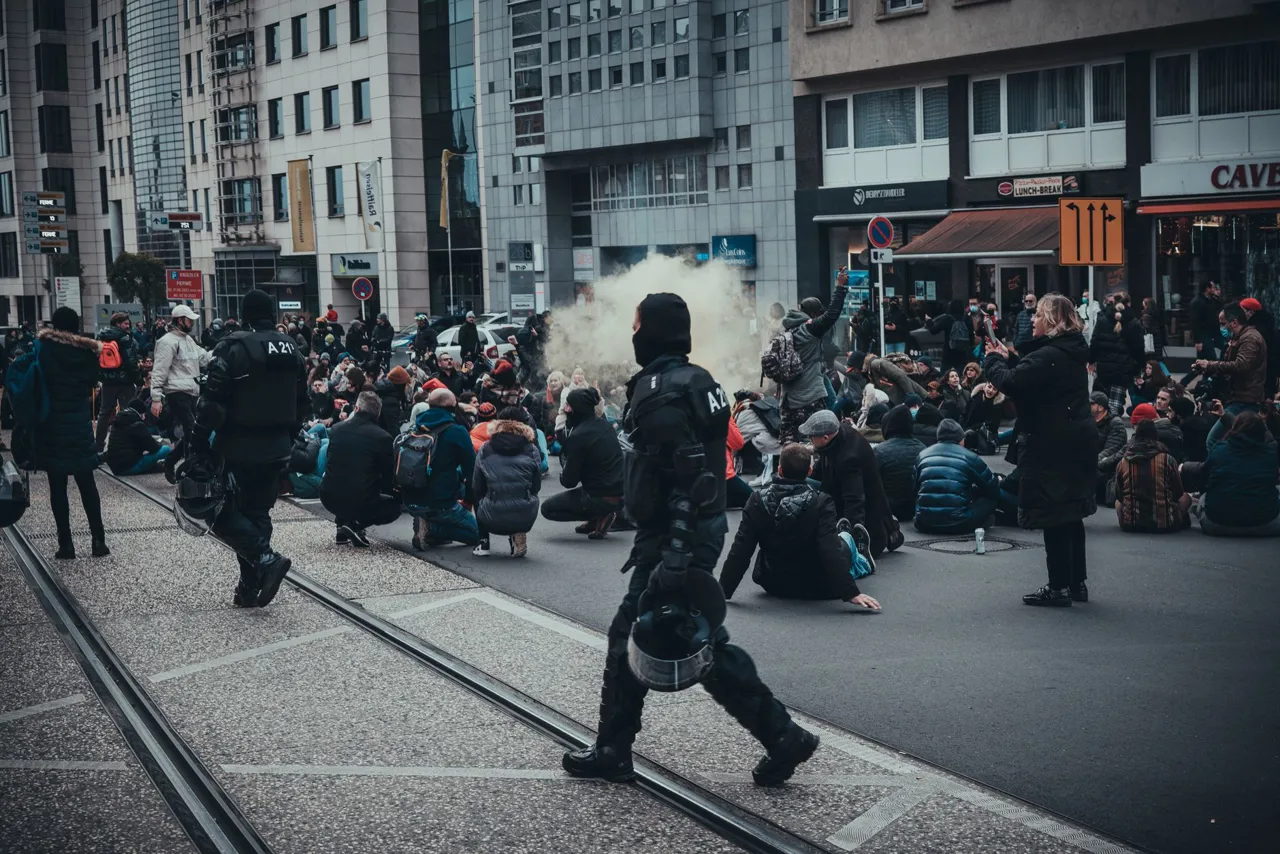
Unrest across France, Italy, Belgium, and Spain has exposed a divide between political accusations of foreign interference and the evidence available to authorities. Italian Defense Minister Guido Crosetto characterized the Milan riots as the product of a “hybrid war,” citing unconventional tools including TikTok and YouTube. French President Emmanuel Macron, however, distinguished between instigating unrest and exploiting its aftermath: he said there was no evidence of foreign interference in the events themselves, while acknowledging subsequent foreign information manipulation.
Despite pressure from national regulators to launch a formal investigation, the European Commission maintains that the evidence is insufficient. Regulators, including France’s Arcom and Italy’s AGCOM, have substantial powers to address potential disinformation operations under the Digital Services Act and coordinate closely with the Commission. The legislation also contains a crisis-response mechanism that would grant the Commission emergency powers over online platforms in the event of a serious threat to public security or health. That mechanism has not been activated, although the Commission says it remains ready to assist national authorities.
Separately, law enforcement agencies have sought platform information to identify people involved in vandalism and looting. After stolen goods were offered on Vinted in France, police requested the marketplace’s assistance; the company says it is cooperating. Russia-linked disinformation networks, including those behind Operation Overload and Doppelgänger, have amplified their campaigns by exploiting the violence. Their activity demonstrates the use of unrest for information manipulation, rather than establishing that foreign actors drove the events.