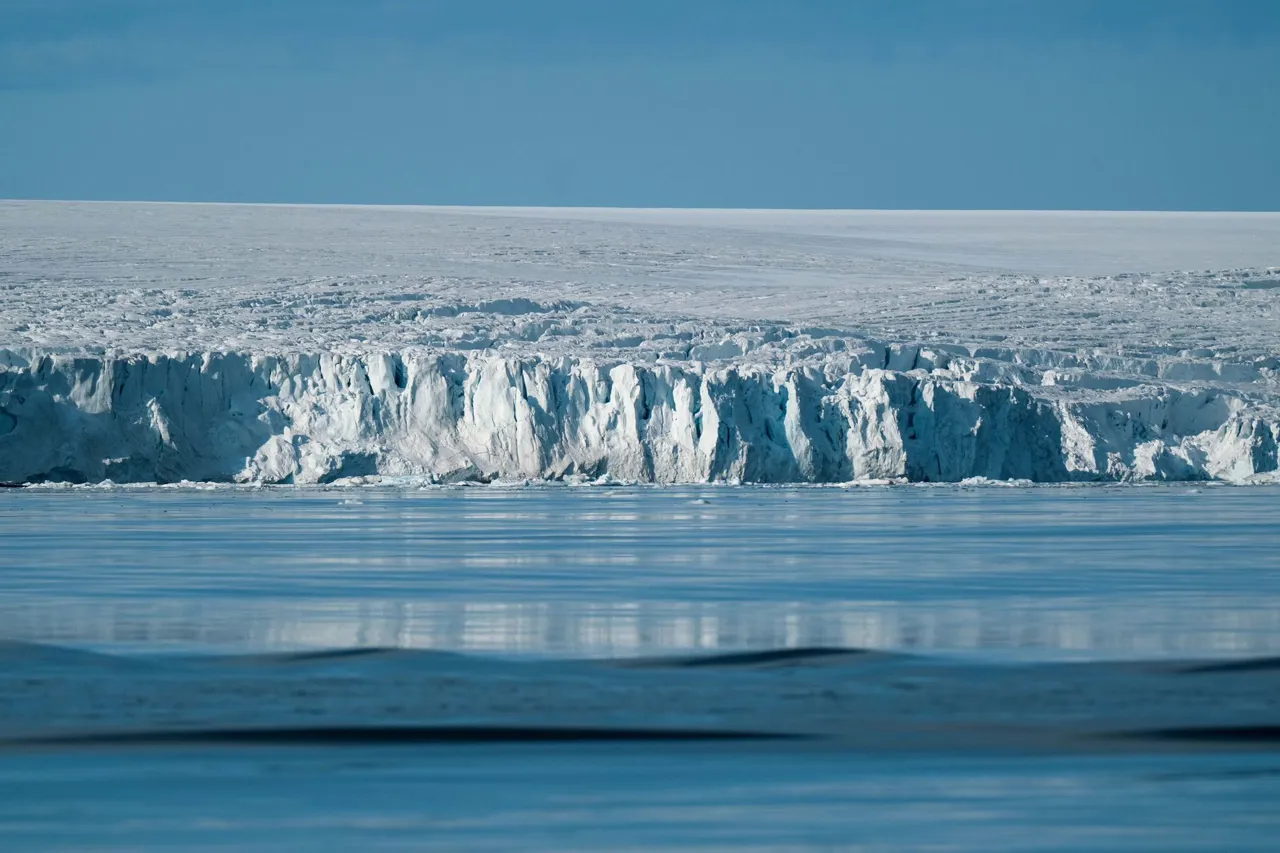
Two studies examine distinct aspects of the vulnerability of West Antarctica’s Thwaites Glacier. Research led by the British Antarctic Survey tested an extreme hypothetical condition: the complete cessation of ocean-driven melting beneath Thwaites and neighboring Pine Island Glacier. Across three independent models covering 150 years, Pine Island thickened and advanced, whereas Thwaites continued losing ice, though at a declining rate. Published in Geophysical Research Letters, the findings suggest that past melting has committed Thwaites to further losses that ocean cooling alone cannot reverse on century-long timescales. Zero ocean-driven melting, however, is an experimental assumption rather than a realistic forecast.
Separately, a study published in Nature Communications on October 12, 2026, investigated seawater intrusion into the transition zone between grounded and floating ice. Representing this zone as several kilometers wide, rather than a narrow boundary, helped the model reproduce observed retreat and thinning between 1996 and 2023. Under a constant-climate scenario, it projected up to 30 millimeters—approximately 1.2 inches—of global sea-level rise from Thwaites by 2100, roughly twice the average of earlier projections used for comparison.
Thwaites began retreating in the 1940s, according to British Antarctic Survey ocean modeler Paul Holland. Much of the glacier rests on bedrock below sea level, while its floating shelves restrain the ice behind them. As warm seawater thins those shelves, that resistance weakens. The findings do not establish that total collapse is inevitable. Reducing greenhouse gas emissions remains consequential because further ocean warming could intensify losses beyond those already set in motion.