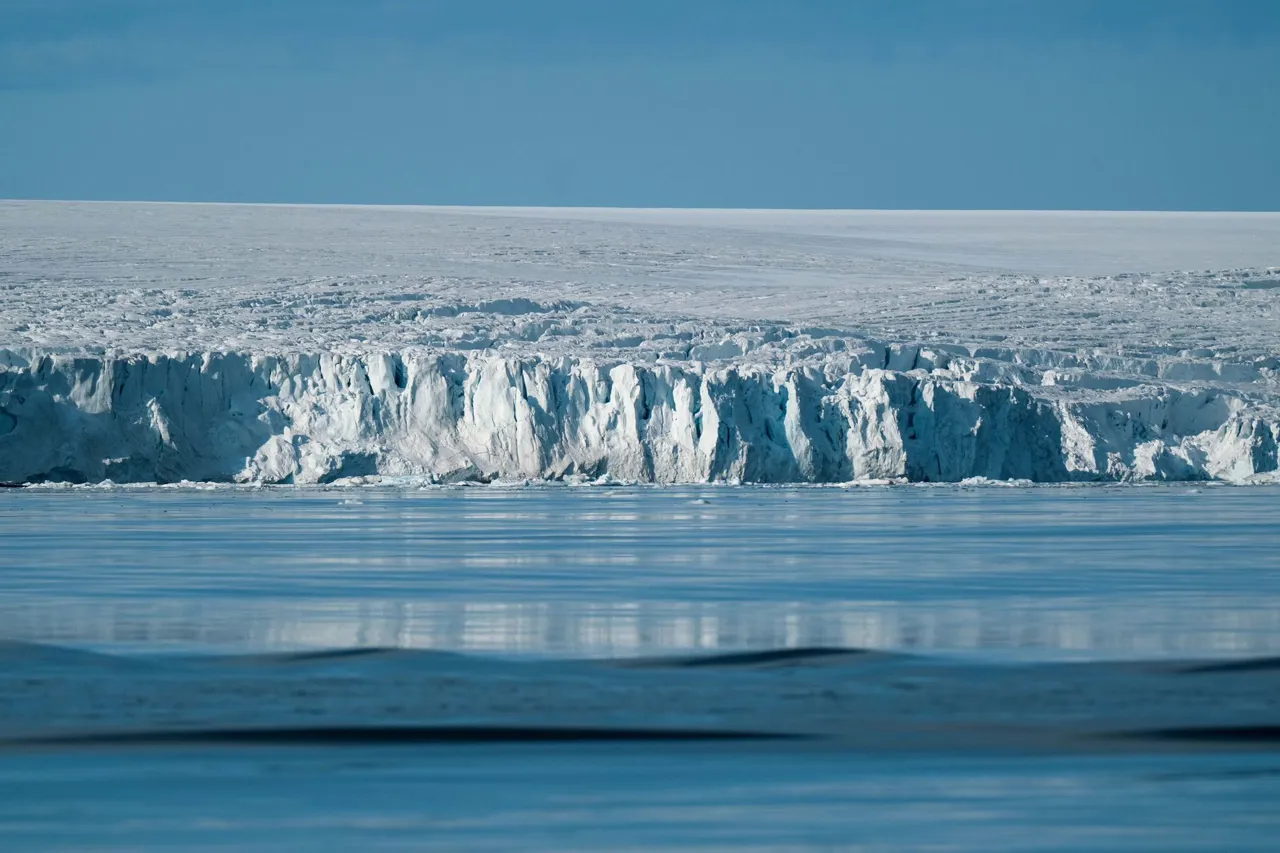
Thwaites Glacier in West Antarctica may keep losing ice for generations, even if the ocean cools dramatically. In a study led by the British Antarctic Survey, researchers used three computer models to test what would happen if ocean-driven melting stopped completely. Thwaites continued losing ice throughout the 150-year experiment, although the rate slowed. Neighboring Pine Island Glacier instead grew thicker and advanced. Completely stopping ocean melting was an experimental condition, not a realistic prediction.
In a separate study, researchers examined how seawater reaches beneath the glacier where ice resting on the ground begins to float. Treating this area as several kilometers wide helped their model match changes observed from 1996 to 2023. With the climate held constant, the model projected up to 30 millimeters, or about 1.2 inches, of global sea-level rise from Thwaites by 2100. That is roughly twice the average of earlier projections used for comparison.
The findings do not mean total collapse is certain. However, past changes may have committed Thwaites to further losses. Cutting greenhouse gas emissions remains important because continued ocean warming could increase those losses.