An experimental gene therapy improved light sensitivity in seven of 10 participants with severe retinitis pigmentosa, an inherited disorder that destroys retinal photoreceptors and can cause irreversible blindness. Published in The New England Journal of Medicine, the findings came from an early-stage trial designed primarily to evaluate safety rather than establish efficacy.
Instead of rebuilding lost photoreceptors, the researchers targeted surviving retinal ganglion cells, which transmit visual information to the brain. Each participant received a single injection into the vitreous, the gel-like interior of the poorer-seeing eye. A viral vector delivered the gene for ChrimsonR, a protein that makes the targeted cells responsive to light.
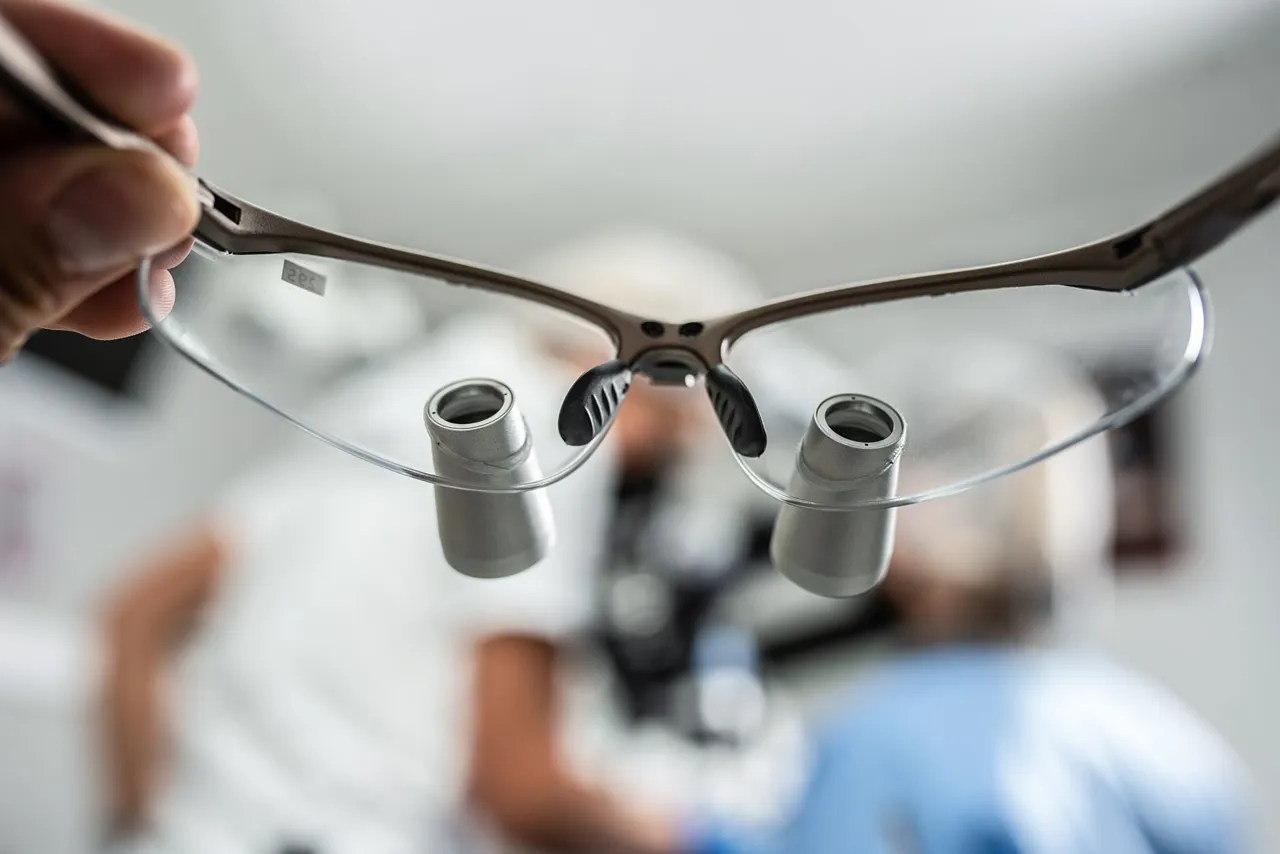
The approach, known as optogenetics, works alongside glasses fitted with a camera and projector. These glasses process surrounding images and project light signals onto the retina, activating the modified cells. Sensitivity gains ranged from twofold to 62.3-fold; six participants reached the fourfold threshold the researchers considered clinically meaningful. These improvements did not restore normal vision.
The open-label phase 1–2 trial recorded 34 adverse eye events among nine participants: 23 mild, 10 moderate, and one severe. In one patient, the central retinal artery became temporarily blocked after injection. Blood flow returned within minutes after medication lowered pressure inside the eye.
José-Alain Sahel of the University of Pittsburgh and Botond Roska of the Institute of Molecular and Clinical Ophthalmology Basel led the international team. Although the researchers regard the results as encouraging, larger and more detailed trials are needed to assess safety and effectiveness.