An experimental gene treatment increased light sensitivity in seven of 10 people with severe retinitis pigmentosa. This inherited disease destroys the light-sensitive cells in the retina, the tissue at the back of the eye, and can cause permanent blindness. The findings appeared in The New England Journal of Medicine.
Rather than replacing dead light-sensitive cells, the treatment targets surviving nerve cells that send visual information to the brain. Each participant received one injection into the eye with poorer vision. It delivered a gene for a protein called ChrimsonR, which allows these cells to respond to light.
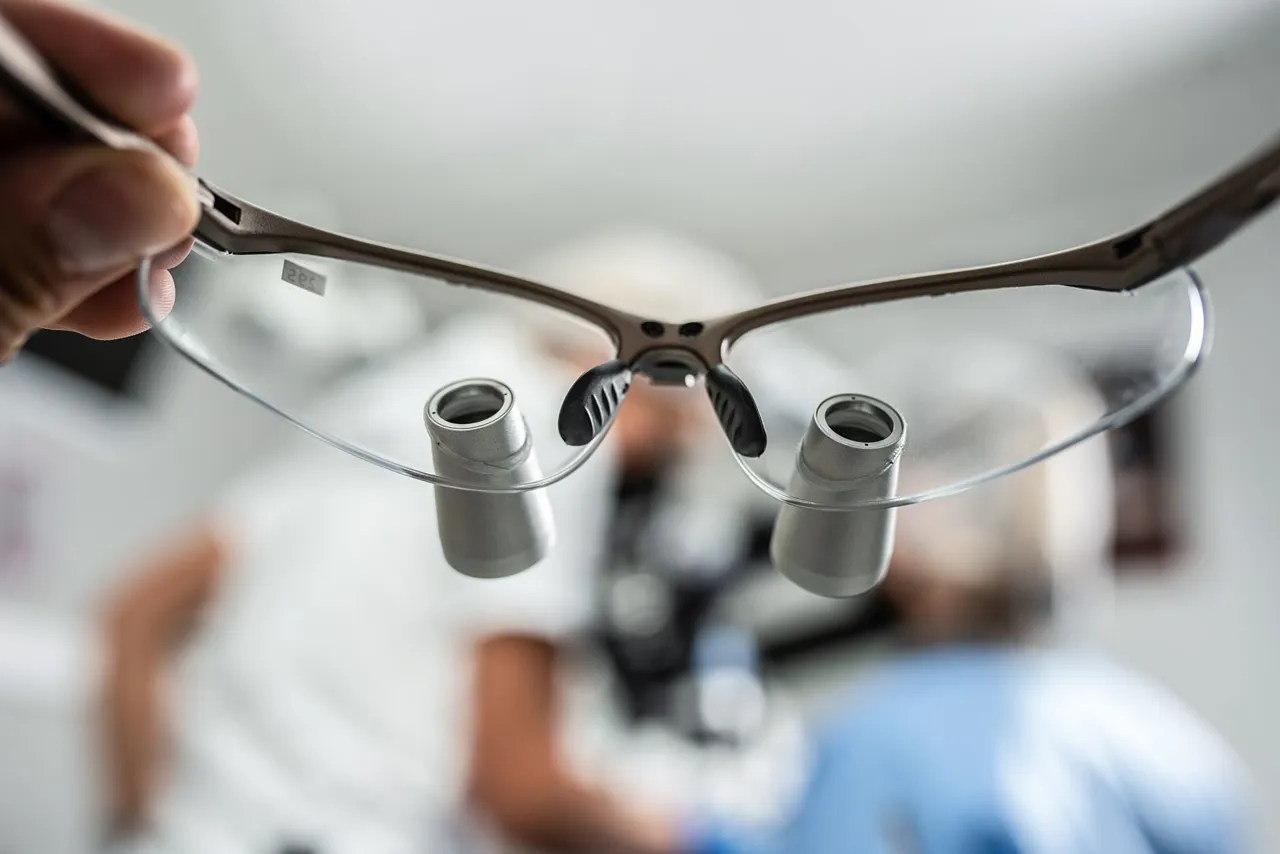
Participants also used special glasses equipped with a camera and a light projector. The glasses process images and send light signals to the treated cells. Six participants became at least four times as sensitive to light, meeting the researchers' standard for a clinically meaningful improvement. However, the treatment did not restore normal vision.
The early trial mainly aimed to assess safety rather than prove effectiveness. Nine participants experienced eye-related problems, most of which were mild or moderate, although one was severe. Researchers consider the findings promising but say larger studies are needed to establish how safe and effective the approach is.