The European Union unveiled its revised Arctic strategy on October 20, elevating security within a policy previously centered more heavily on cooperation. As the Arctic warms about four times faster than the global average, retreating ice is opening shipping routes and increasing access to resources. Russia's military buildup, China's expanding strategic interests and US President Donald Trump's threats to take control of Greenland have prompted Brussels to reassess its position. EU foreign policy chief Kaja Kallas said the security environment had deteriorated since the previous strategy in 2021.
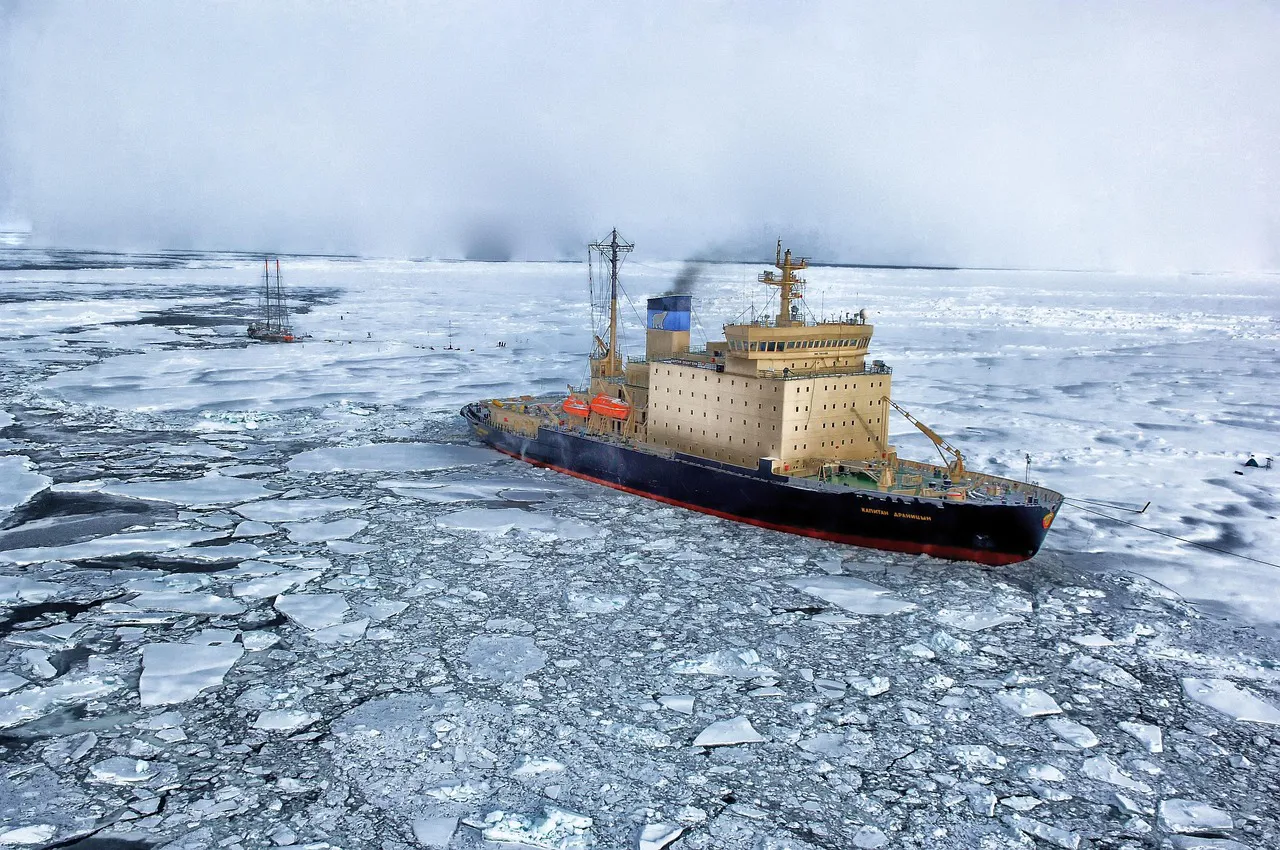
The plan envisages a larger icebreaker fleet, satellite-based surveillance and stronger civilian and military transport connections with Europe. Officials estimate that Europe has roughly 10 icebreakers, compared with Russia's approximately 40. A proposed cable center would monitor, protect and support repairs to undersea communications infrastructure in the Arctic and North Atlantic. A broader maritime security hub would track Russia's shadow fleet, vessels used to transport oil illicitly, while monitoring illegal fishing and pollution. Through a new Northern Neighbourhood framework, the EU also plans regular summits with partners including Norway, Iceland, Canada, the United Kingdom and the United States.
Despite the stronger security emphasis, the EU retains its opposition to Arctic oil and gas drilling and will not purchase supplies from new developments there. It instead favors renewable energy, including wind, hydropower and geothermal power. Improved electricity links between Finland and Sweden are intended to strengthen market integration, while expanded transport and digital infrastructure would connect the Arctic more closely to European markets.