The European Union presented an updated Arctic strategy on October 20, placing security at the center of its approach. Rising temperatures are melting ice and opening shipping routes. Russia's military expansion, China's growing interests and US President Donald Trump's threats to take control of Greenland have added to concerns about the region.
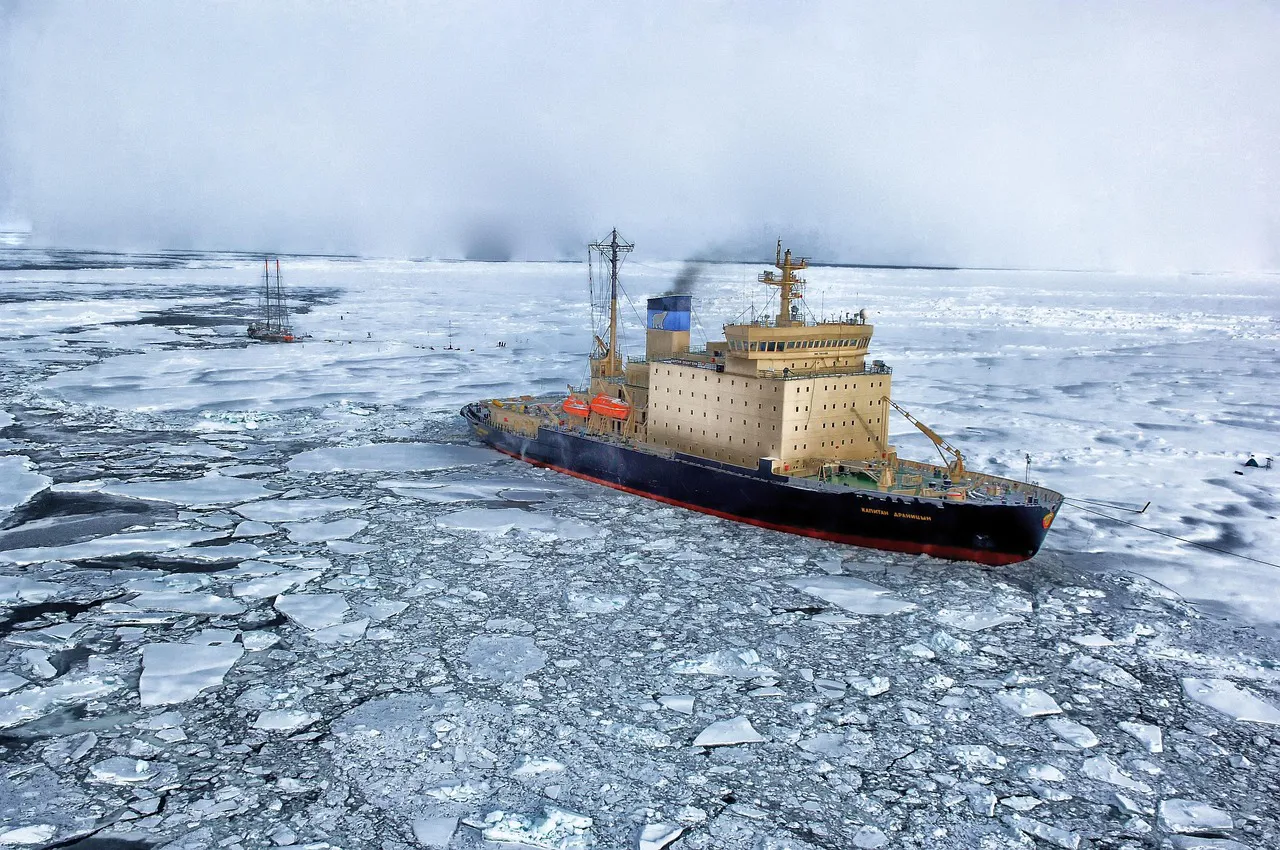
The EU plans to expand its fleet of icebreakers, ships designed to move through ice. It also wants a center to monitor, protect and repair undersea communications cables in the Arctic and North Atlantic. A broader maritime security center would help track ships carrying Russian oil, detect illegal fishing and monitor pollution. Better transport links would connect the Arctic more closely with Europe for civilian and military use. Cooperation with partners, including Canada and Norway, is another priority.
The strategy keeps the EU's position against new Arctic oil and gas development. The bloc will not drill there or buy oil and gas from new projects. Instead, it supports renewable energy, including wind and hydropower. Stronger electricity connections would help bring that power to markets.