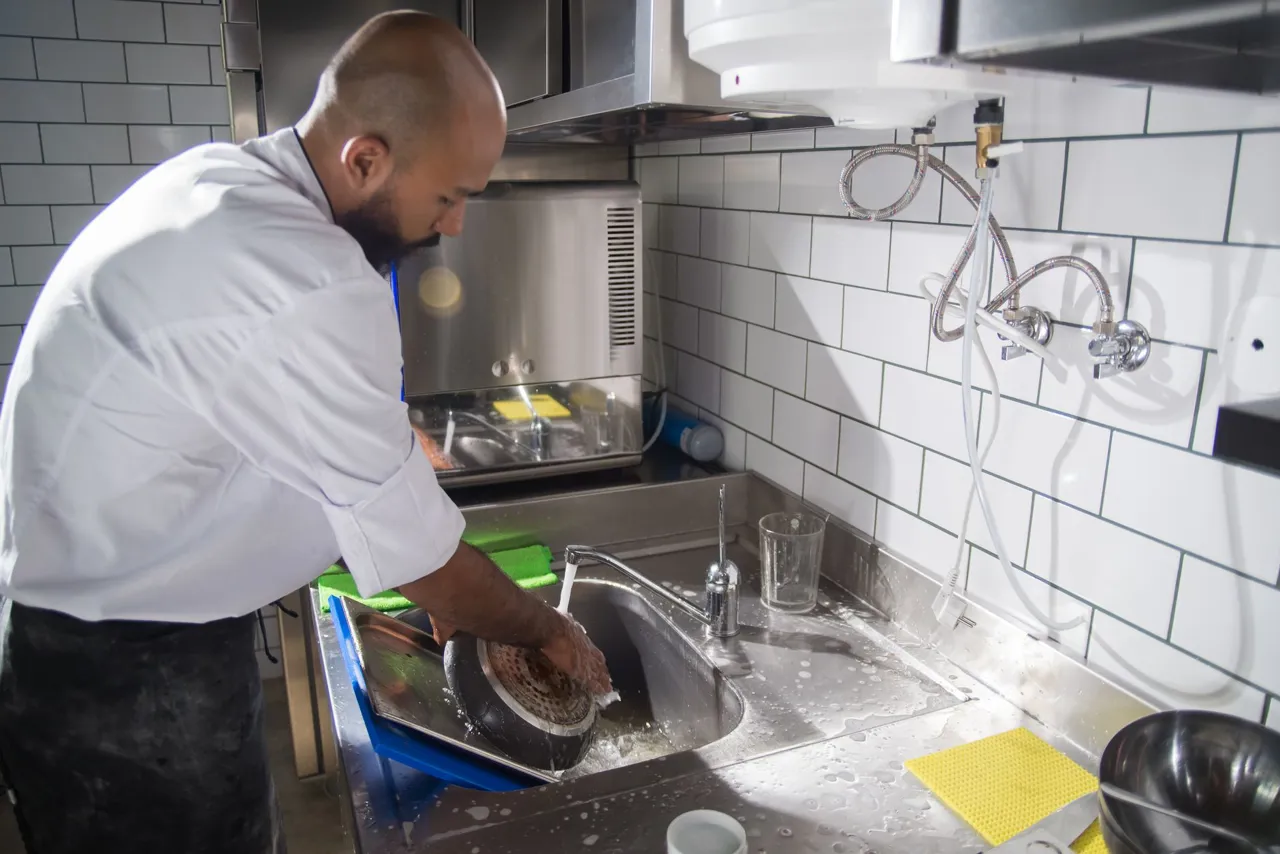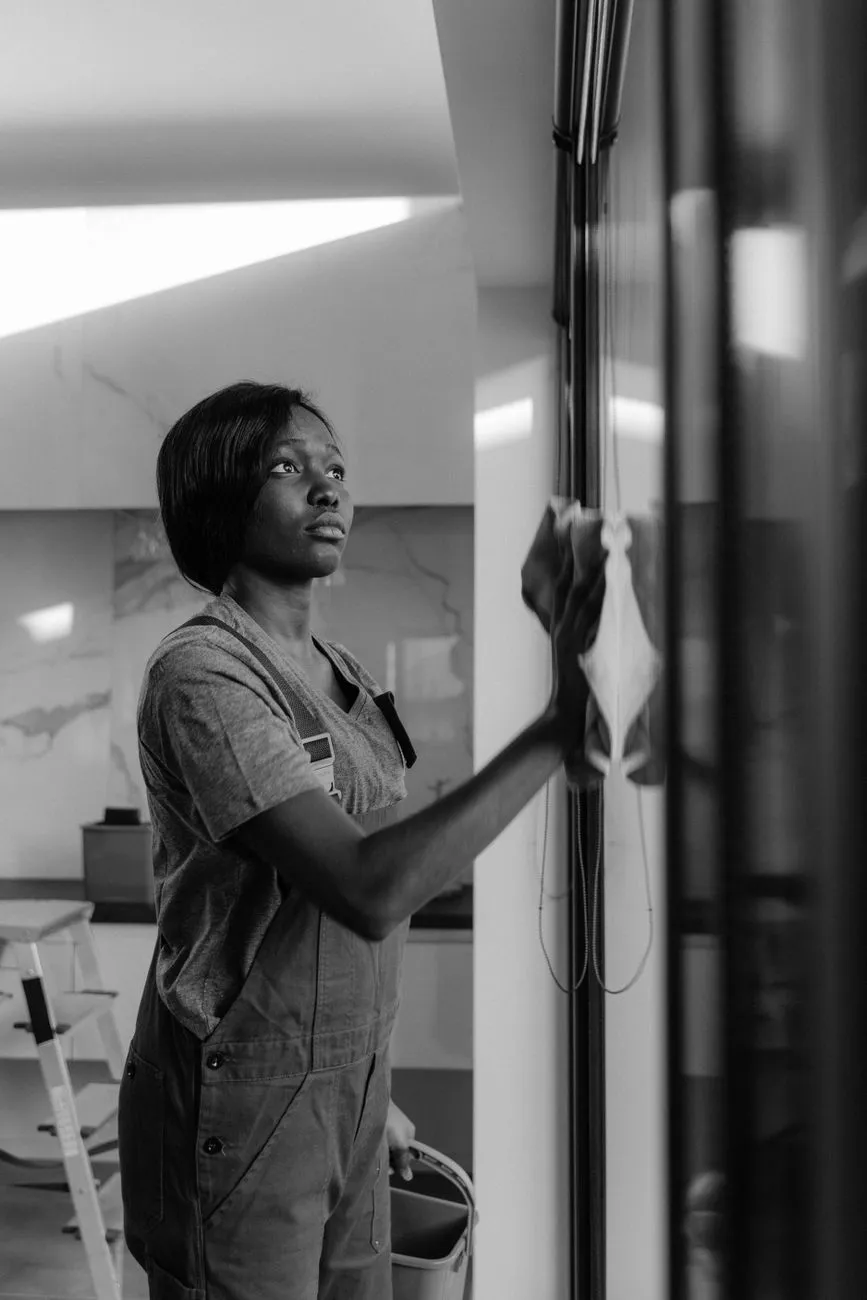
Domestic workers do jobs in other people’s homes. They clean, cook and care for children, older people and people with disabilities. About 80 million people did this work worldwide in 2025. More than three in four were women.
The UN’s International Labour Organization says four in five domestic workers lacked formal protection at work. These protections include rights at work and support through benefits. Domestic workers were more than twice as likely as other workers to lack these protections. The organisation says people often do not value their work enough.
Their average monthly pay was just over half the pay of other workers. This difference grew after 2019. More than one in three worked at least 49 hours a week. Almost 15 in every 100 worked 60 hours or more.
Other domestic workers had too few hours and earned little money. Some had to work in several homes to earn enough to live. But more than half of countries with figures for comparison reduced informal work among domestic workers after 2019. Forty countries have formally agreed to follow international rules for fair treatment of domestic workers. The organisation wants more countries to join them.