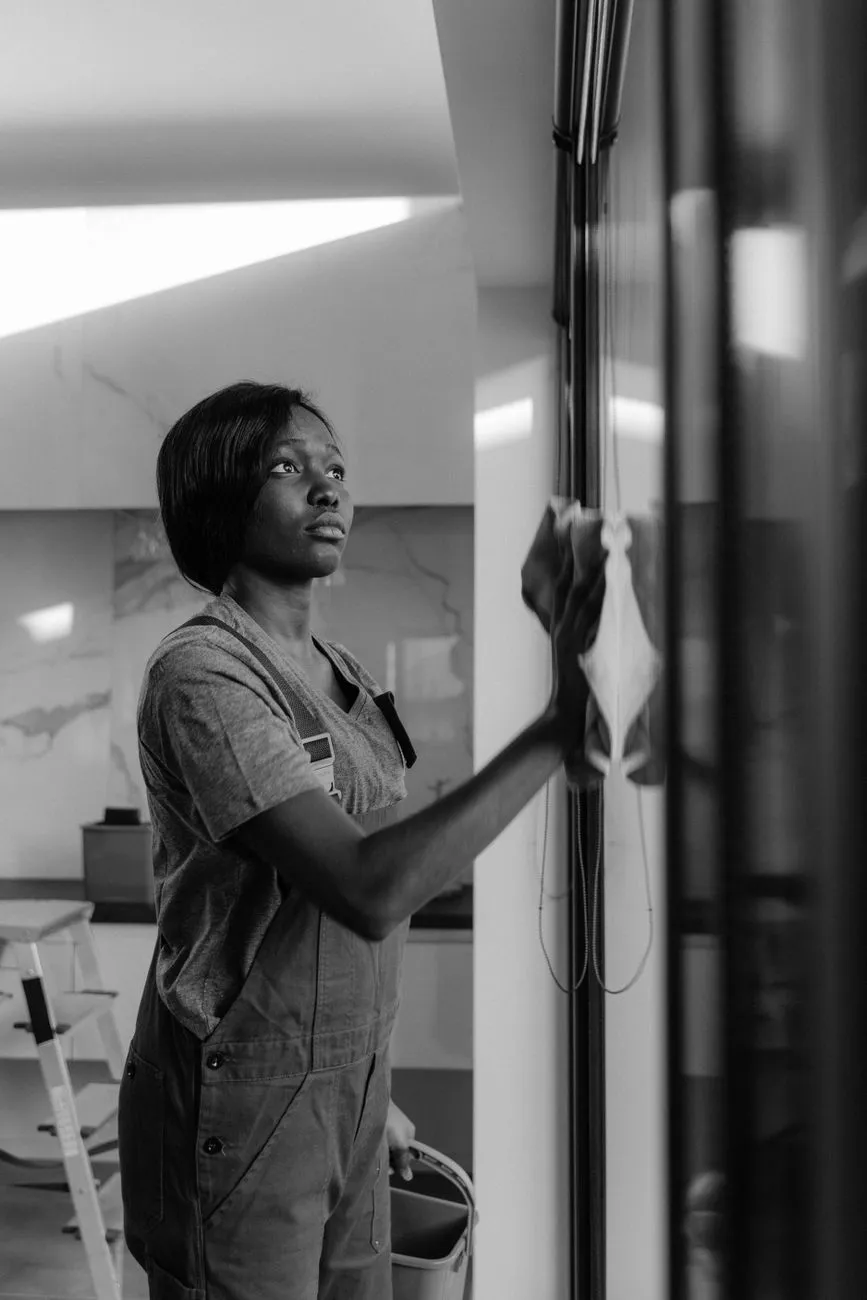
Around 80 million people worldwide worked in private homes in 2025, cleaning, cooking and caring for children, older people and people with disabilities. Women made up 77.2 per cent of this workforce. The UN’s International Labour Organization (ILO) says their contribution often receives too little recognition.
Four in five domestic workers lacked formal employment protections. They were more than twice as likely as other employees to lack effective workplace rights and social protection, such as benefits. Their average monthly earnings were only 53.3 per cent of those of other employees, and the pay gap has grown since 2019.
Working hours were another concern. More than a third worked at least 49 hours a week, while nearly 15 per cent worked 60 hours or more. Others had too few paid hours, which could mean moving between several households to earn a living.
There has nevertheless been some progress. Among countries where figures could be compared, more than half have reduced the share of domestic workers in informal jobs since 2019. These are jobs without formal benefits or protection. Forty countries have formally accepted ILO Convention No. 189, an international agreement setting standards for decent domestic work. The organisation called for more countries to accept it, stressing that domestic workers deserve the same rights and protections as other workers.