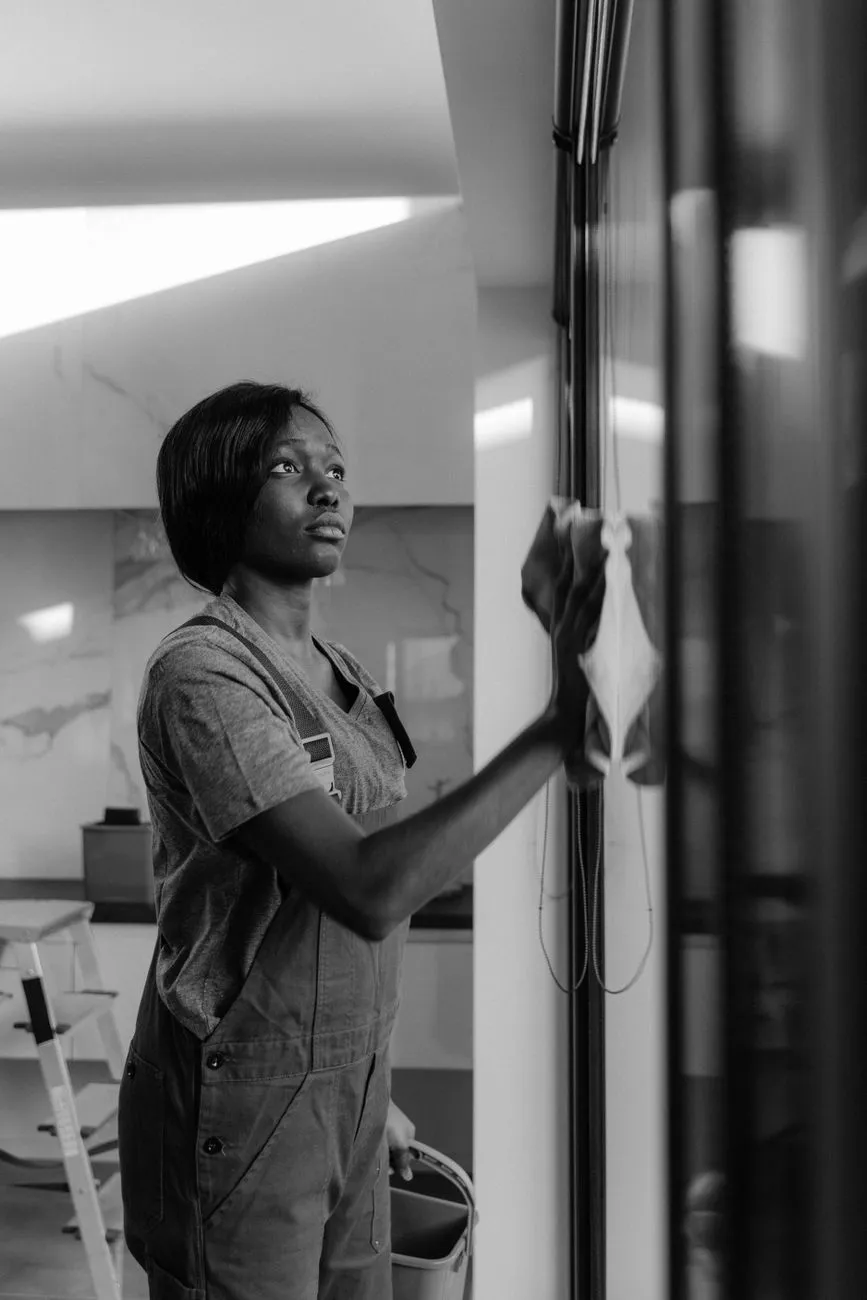
An estimated 80 million people were employed as domestic workers worldwide in 2025, up from 75.6 million in 2019. Yet their share of total employment remained around 2.2 per cent, indicating that the increase largely reflected overall employment growth rather than expansion of the sector itself.
The International Labour Organization (ILO) found that four in five domestic workers lacked formal job protections, meaning they were over twice as likely as other employees to be without effective labour and social protection. Women accounted for 77.2 per cent of the workforce, concentrated heavily in cleaning and care. ILO director Sahra Razavi stressed that work supporting households, children, older people and people with disabilities remained undervalued.
Average monthly earnings amounted to just 53.3 per cent of those of other employees, falling to 48.7 per cent among informally employed domestic workers. The wage gap has widened since 2019. More than a third worked at least 49 hours weekly, including nearly 15 per cent who worked 60 hours or more. Others faced insufficient paid hours, potentially requiring work across multiple households to earn a living.
Regional disparities were substantial: roughly half of domestic workers were in Asia and the Pacific, while informal employment affected 93.3 per cent in Africa and was almost universal in the Arab States. Even Europe and Central Asia, with the lowest regional informality rate, had more than a third of domestic workers paid informally.
Nevertheless, more than half of countries with comparable data have reduced informality since 2019. Forty countries have ratified ILO Convention No. 189, committing to standards for decent domestic work. Razavi urged wider ratification, particularly in Asia and the Arab States, and equal rights and protections for domestic workers.