A federal judge in Brazil's Mato Grosso state has ordered non-Indigenous occupants to vacate the Piripkura Indigenous Territory within 120 days. The 7 October ruling requires the removal of workers, cattle, machinery and other movable property. Those remaining beyond the deadline face a daily fine of 500 Brazilian reais.
The territory shelters at least two Piripkura people living in voluntary isolation, although Funai, Brazil's Indigenous affairs agency, has not ruled out the presence of others. Special access restrictions have applied since 2008. The ruling reverses a 2025 decision permitting certain ranchers to remain while the territory's formal recognition process continued.
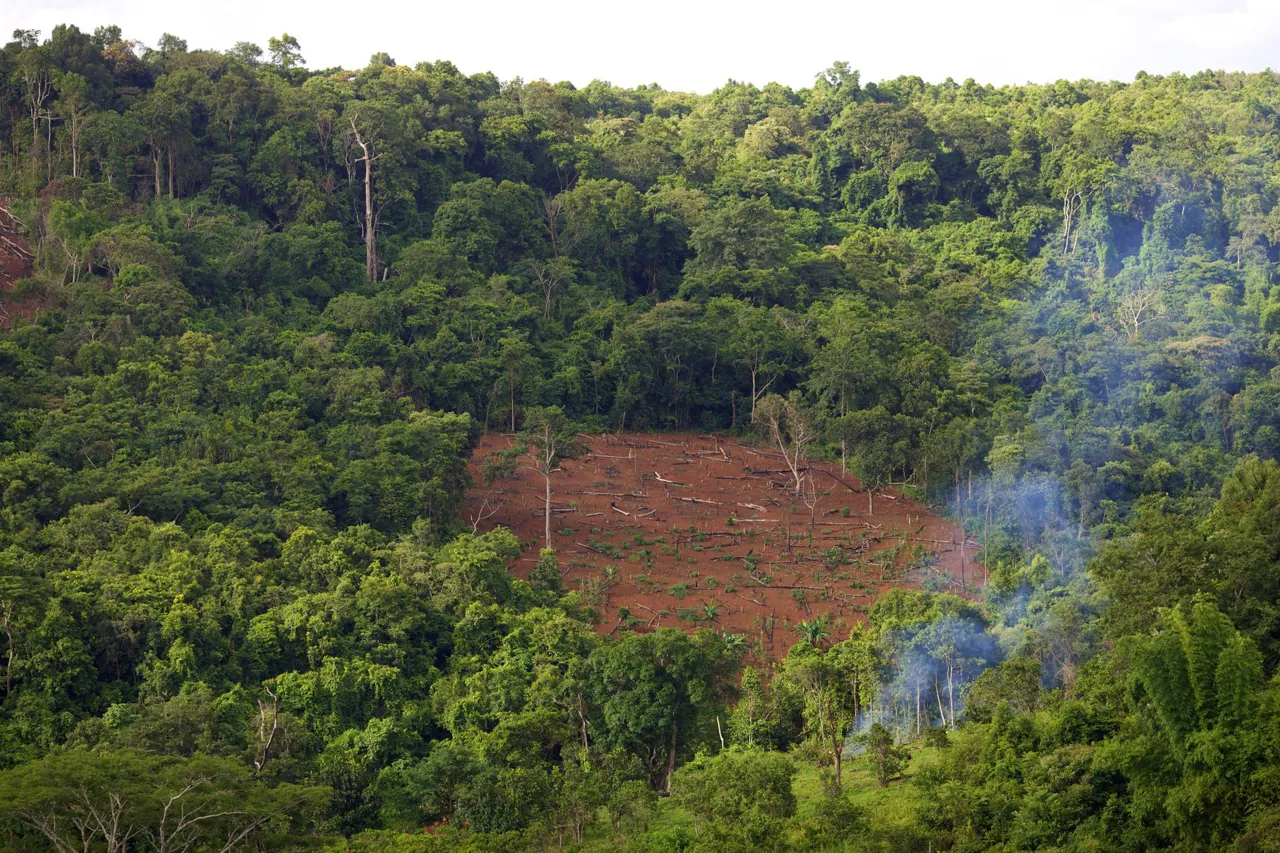
Fresh evidence of illegal deforestation and cattle ranching contributed to the reversal. A joint inspection by Funai and Brazil's environmental protection agency, IBAMA, also identified clandestine airstrips reportedly used for drug trafficking. Funai warns that unwanted contact could expose isolated people to diseases against which they lack immunity, alongside violence associated with organised crime.
Funai will coordinate the removal through specialists responsible for protecting isolated Indigenous peoples, supported by environmental and security agencies where necessary. Prosecutors favour voluntary compliance to minimise confrontation, but forced removal with police assistance remains possible. Poor roads, cattle and heavy machinery complicate an operation that must avoid contact with the Piripkura and further environmental harm.
The territory's formal recognition remains unresolved. According to Priscilla Oliveira of Survival International, more than 40 years have passed since it was first proposed for recognition, yet the process remains at an early stage.