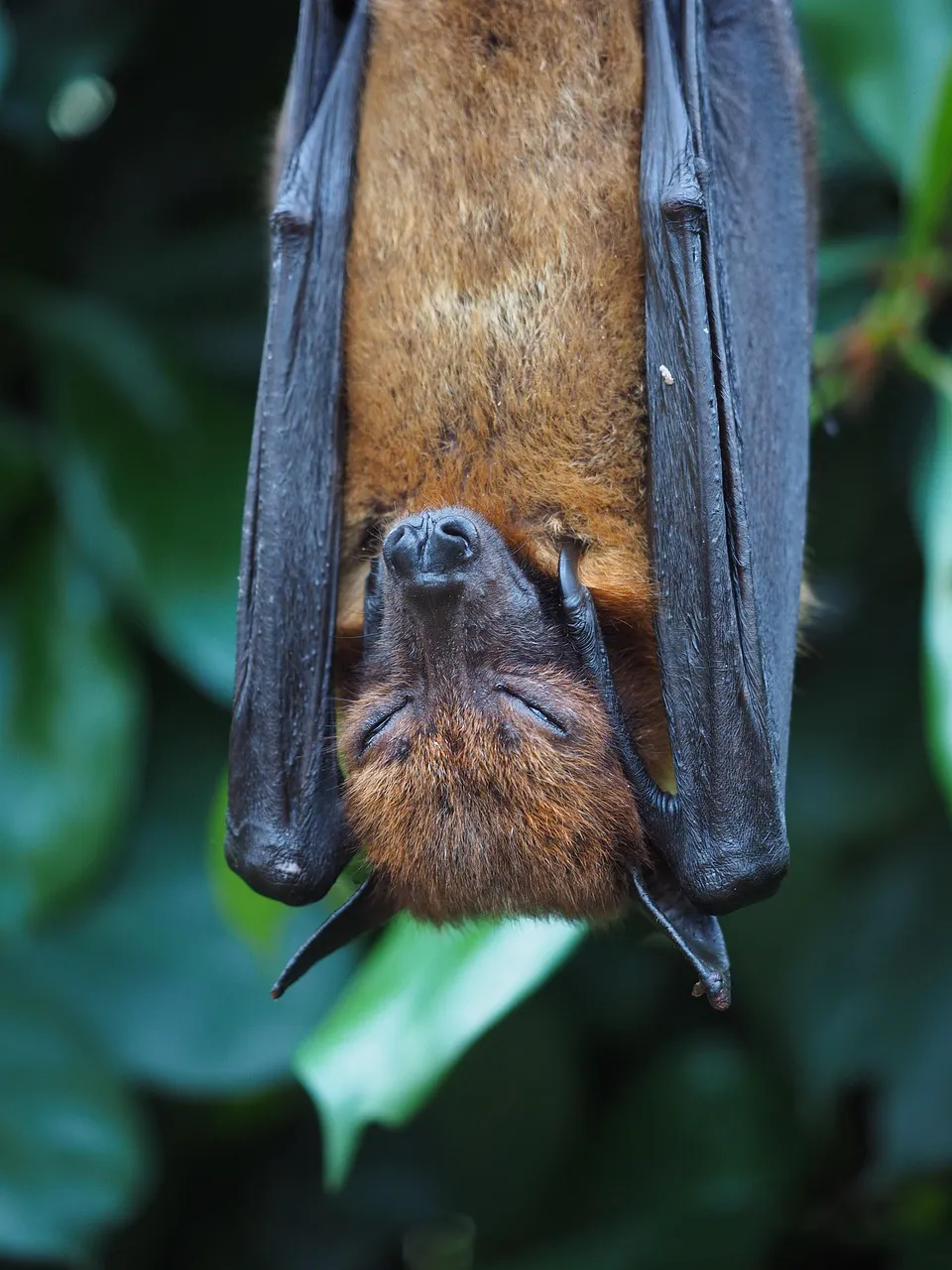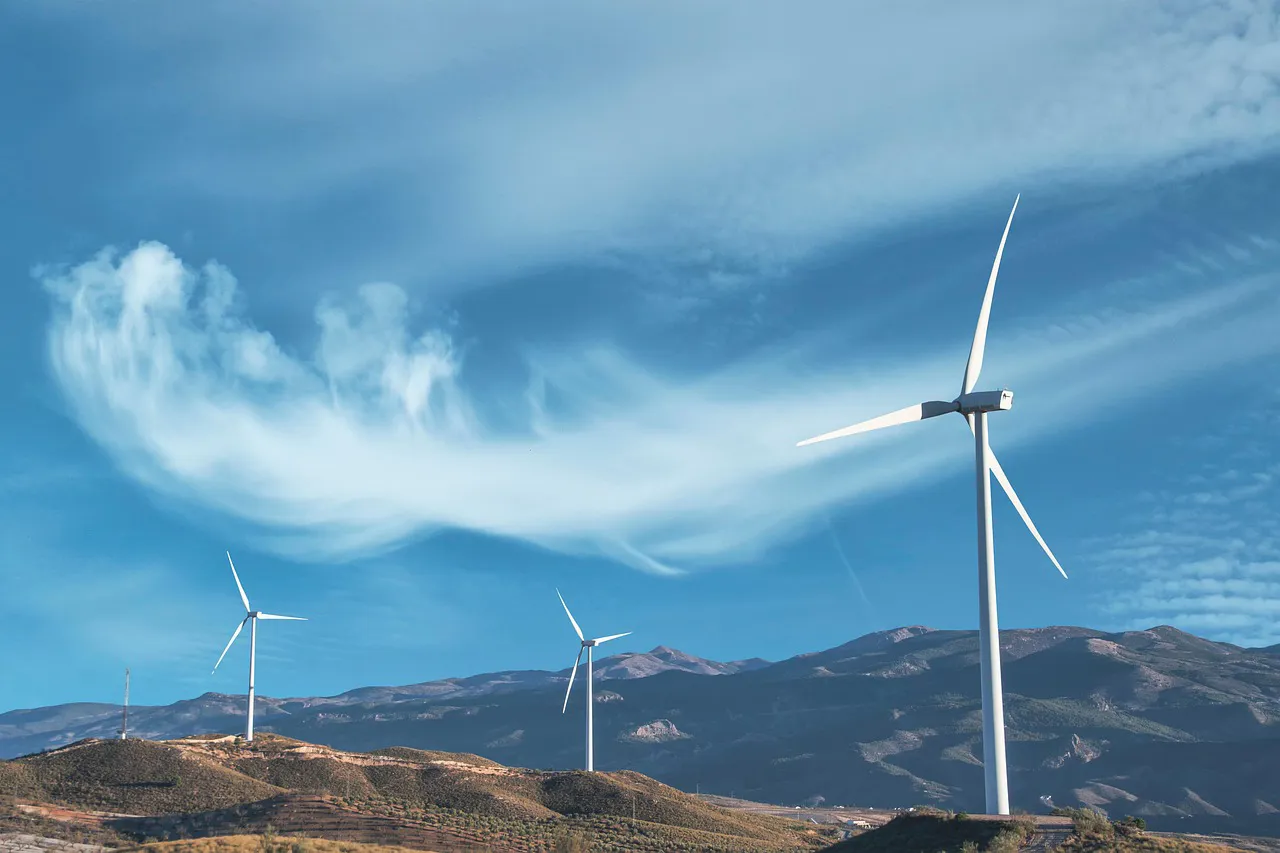
An estimated 18.7 million bats representing 28 species died at US wind energy facilities between 1981 and 2024, according to research published in the Proceedings of the National Academy of Sciences. Annual fatalities increased from roughly 100,000 around two decades ago to 1.5 million by 2021, a rise attributed to the expansion of wind energy.
Although many deaths involve collisions with turbines, the reasons bats approach them remain uncertain. Possible explanations include attraction to the machinery's noise, mistaking the structures for trees, or difficulty detecting the rotating blades.
Fatality counts can underestimate losses when scavengers remove carcasses or tall grass conceals them. To account for missing observations, the researchers developed a statistical approach that estimated species-level deaths nationwide, including at facilities where monitoring had not taken place.
Both turbine siting and design influenced mortality. Facilities near rivers tended to record higher fatalities, reflecting bats' reliance on these waterways for food, water and navigation. Turbines with lower blade clearance were particularly hazardous, while changes to facility locations could reduce exposure to risk.
A separate study of 141 European wind farms, published in the Journal of Applied Ecology, found that suspending turbine operation when local conditions are particularly favourable for bat flight can reduce bat mortality by more than 80 per cent. However, the same strategy did not reduce fatalities among migratory birds, which are also vulnerable to turbine collisions.