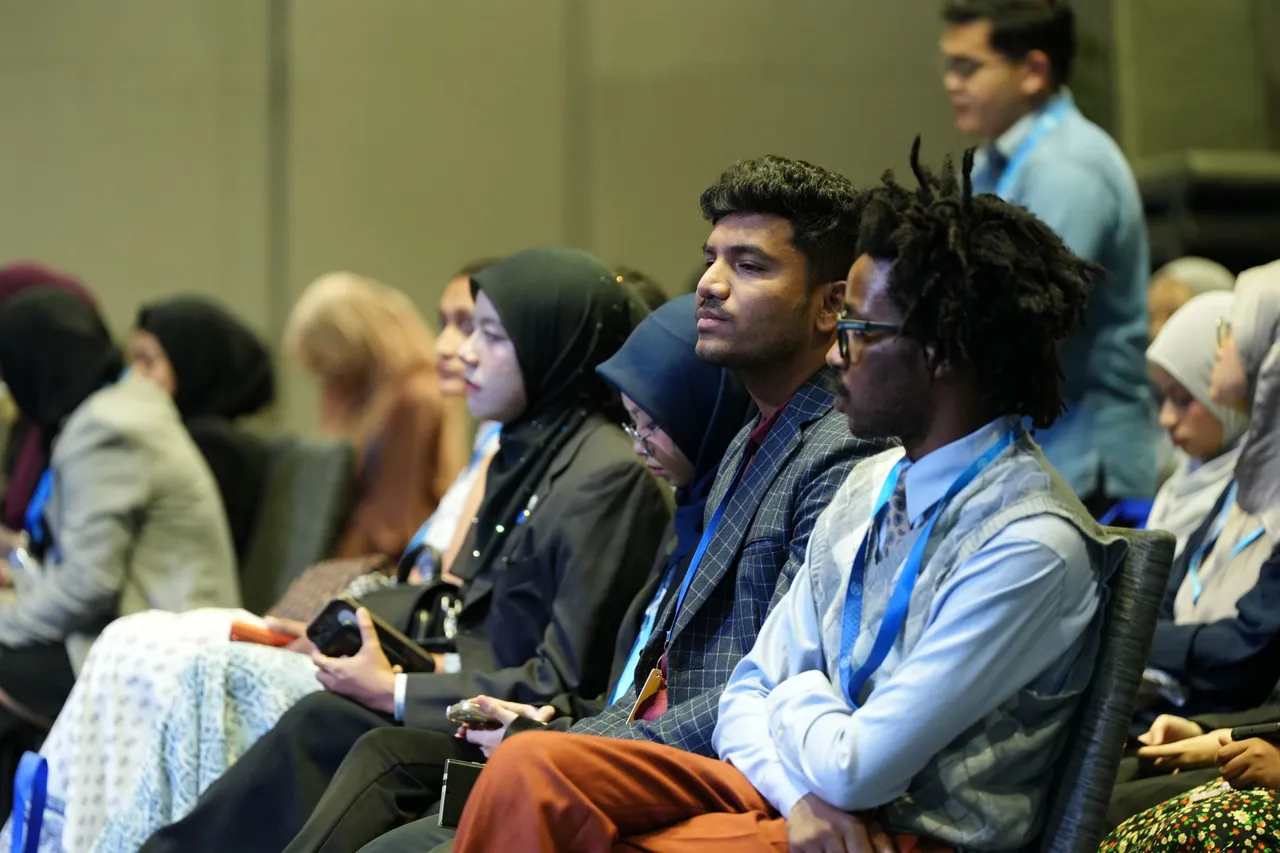
Indigenous representatives at COP17 in Yerevan, Armenia, are negotiating the arrangements needed to make a new permanent body operational within the UN Convention on Biological Diversity. Intended to strengthen the participation of Indigenous peoples and local communities, it would expand their influence over biodiversity discussions and decision-making.
The Subsidiary Body on Article 8(j) was adopted at COP16 in Cali, Colombia, in 2024, following three decades of negotiations. Its first meeting took place in Panama in October 2025. Current discussions cover governance, the appointment of co-chairs, funding mechanisms and the implementation of 12 tasks under its programme of work.
Lucy Mulenkei, a Kenyan Masai leader and co-chair of the International Indigenous Forum on Biodiversity, helped secure the body’s establishment. Although operating procedures remain unfinished and some countries oppose aspects of the arrangements, she is optimistic about the outcome in Yerevan. She argues that the body will strengthen communities’ collective contribution to implementing the Kunming-Montreal Global Biodiversity Framework.
For Mulenkei, achieving the 2030 nature goals requires more than government targets and regulations: it depends on genuine partnerships, meaningful inclusion and recognition of Indigenous rights. She stresses that Indigenous peoples already protect natural resources and contribute to restoring biodiversity. Governments, businesses and civil society, she says, must put their commitments into practice.
She also advocates closer collaboration between scientific researchers and holders of Indigenous knowledge. Referring to the Nagoya Protocol, she emphasises that access to communities’ knowledge and resources must involve mutually agreed terms and benefit-sharing. Such collaboration, she argues, must recognise the communities whose knowledge is being used.