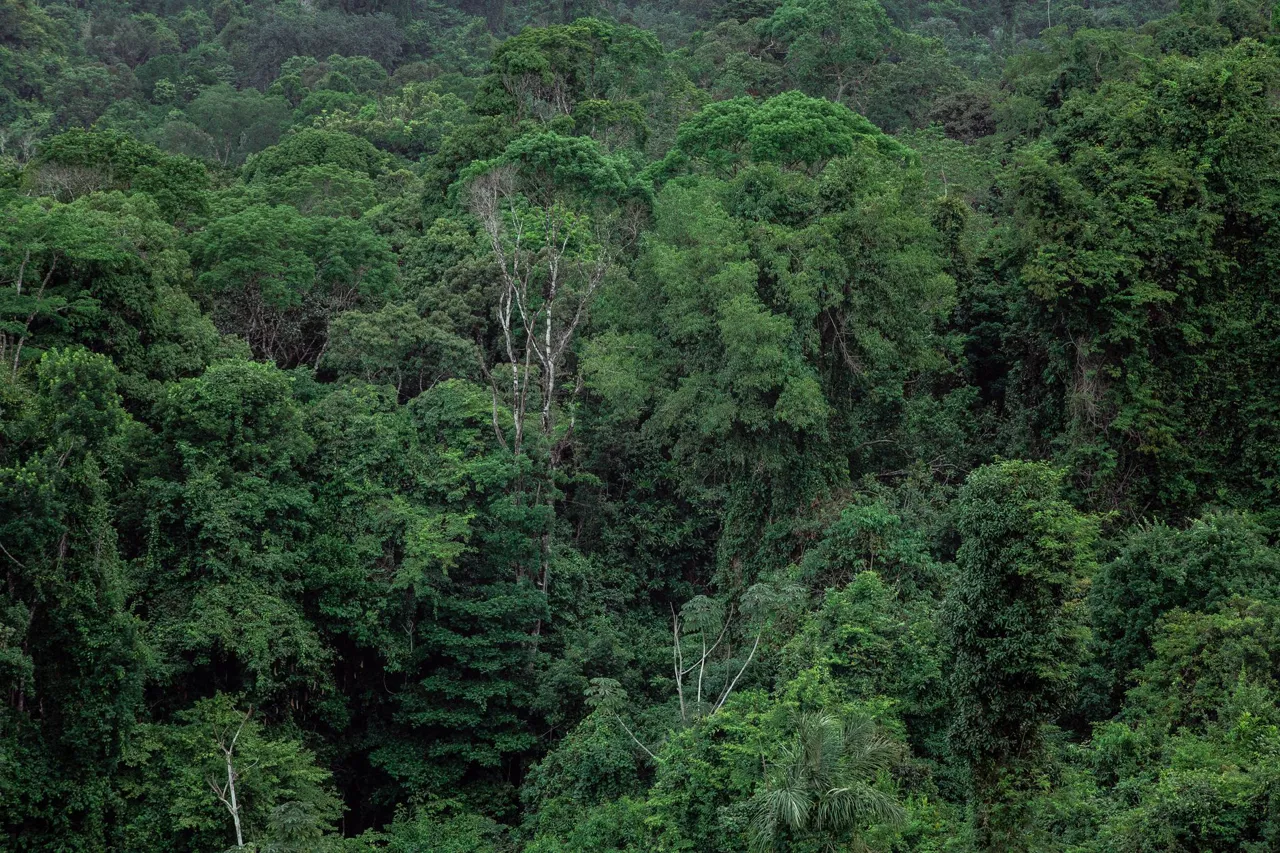
Deforestation in Brazil’s Amazon fell to 3,335 square kilometres between August 2025 and July 2026, a 41.8 per cent decline from the previous year’s 5,731 square kilometres. The official satellite figures mark the lowest annual loss since records began in 1988. The government says deforestation has declined by 71 per cent since President Luiz Inácio Lula da Silva returned to office in 2023.
Lula revived a forest protection action plan originally launched during his first administration in 2004 and shelved under Jair Bolsonaro. Measures included restoring penalties for illegal clearing identified through satellite monitoring, funding action against environmental crime and supporting municipalities that reduced forest loss. The government also proposed withholding bank loans from properties with illegal deforestation. The reversal follows a period in which more than 45,000 square kilometres were cleared during Jair Bolsonaro’s presidency, from 2019 to 2022.
Despite these gains, a strong El Niño—the periodic warming of the equatorial Pacific—could intensify hotter, drier conditions and wildfire risks in 2026 and 2027. Political uncertainty presents another challenge: Lula faces Flávio Bolsonaro in the presidential runoff on 25 October. Conservation experts warn that a Bolsonaro victory could reverse policies credited with curbing deforestation, although his campaign describes him as an environmental defender. He has pledged to end illegal deforestation by 2029. Lula’s commitment is broader: zero net deforestation by 2030, with restoration compensating for all forest loss, whether legal or illegal.