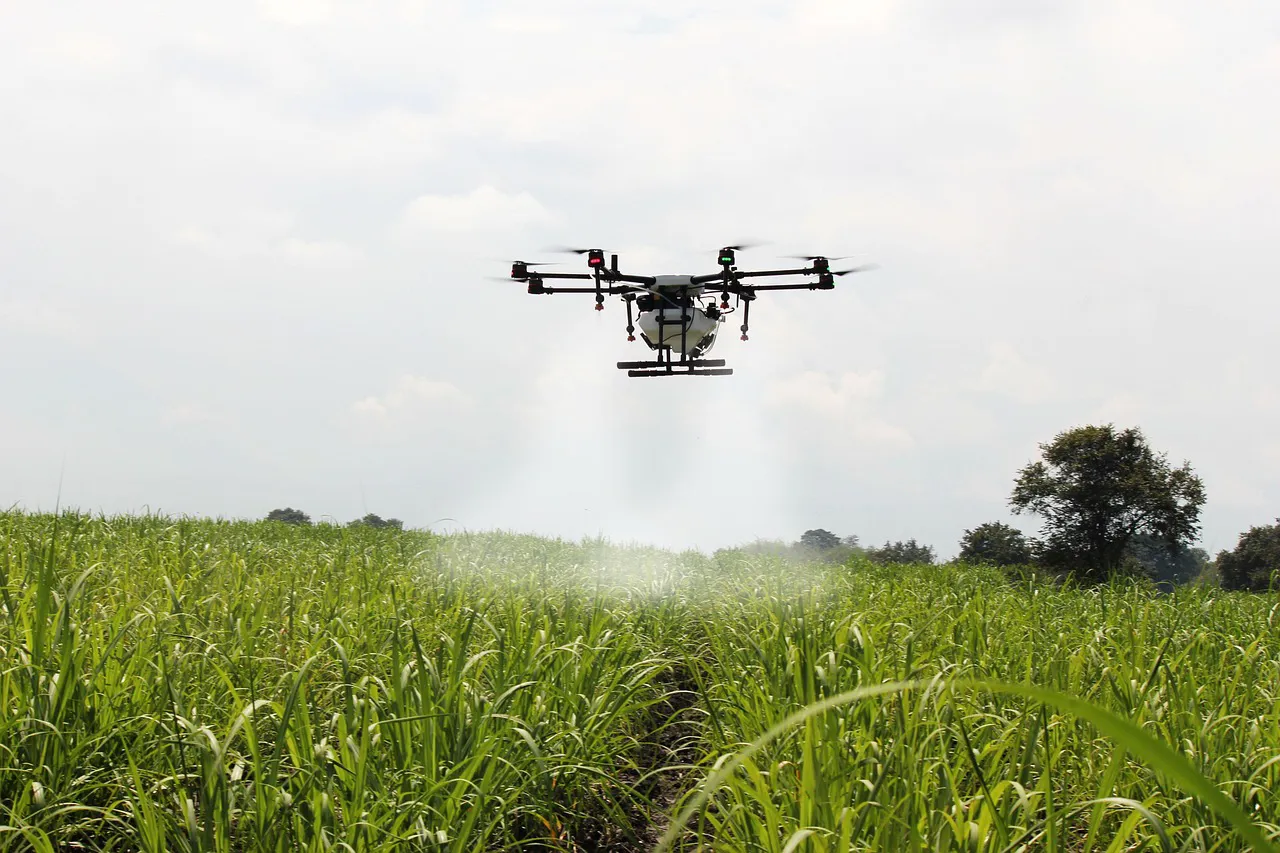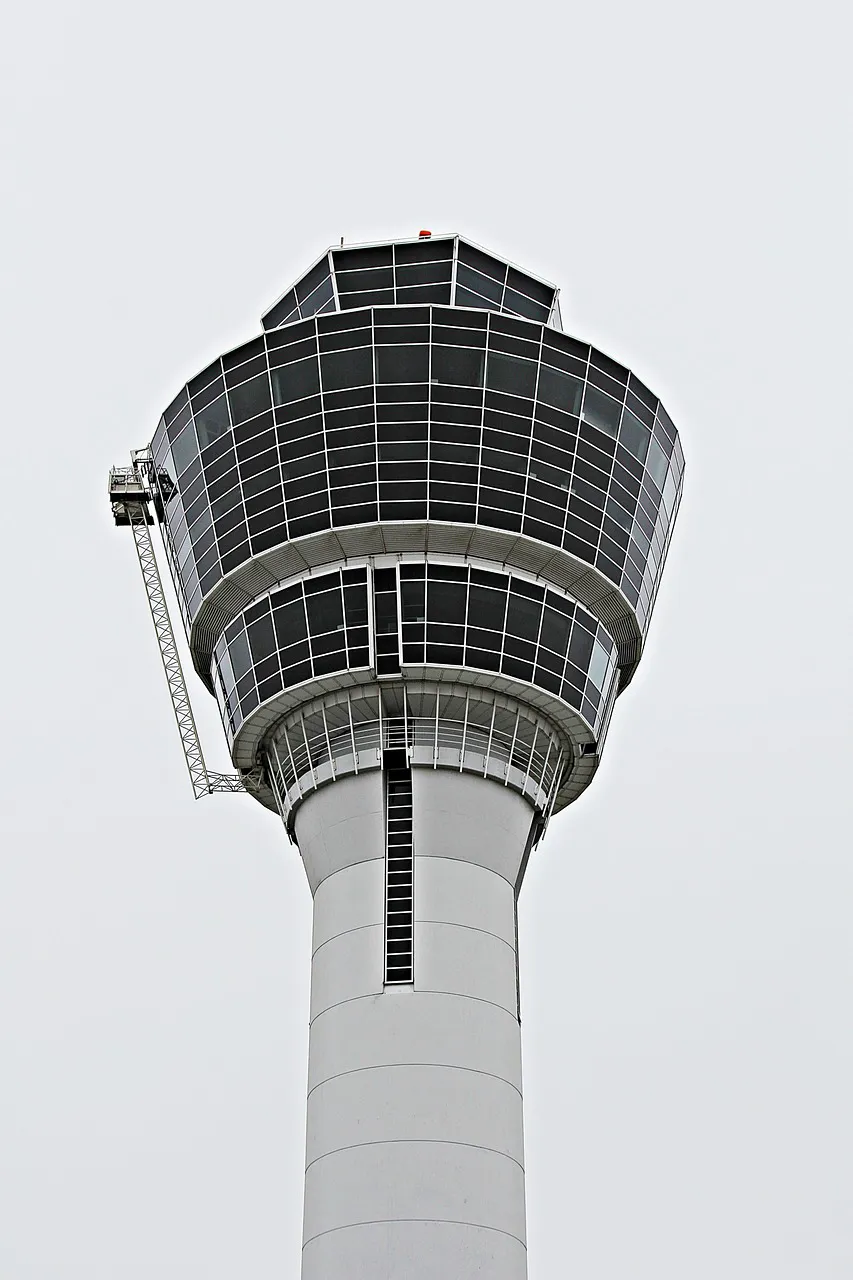
Aircraft circling before landing are often in a holding pattern, waiting for airport capacity rather than responding to a technical fault or adverse weather. Such delays reflect increasingly congested skies, in which a storm, emergency or route closure can disrupt flights thousands of kilometres away.
The International Civil Aviation Organization (ICAO), the UN agency responsible for global aviation standards, is promoting closer cross-border coordination. Through air traffic flow management, airlines, airports, controllers and meteorological services share information and take decisions collectively. When an airport temporarily cannot accommodate further arrivals, departures elsewhere can be delayed on the ground instead of leaving aircraft circling overhead.
Following five days of ICAO-convened discussions in Montreal, governments and industry endorsed accelerated global implementation. Although several countries already operate such systems, their effectiveness is constrained when national networks fail to exchange information. Brazil and Colombia, for example, have used them for years, largely within national boundaries. ICAO Secretary General Juan Carlos Salazar stressed that technology alone is insufficient: cooperation also requires willingness and the means to transmit information in real time.
The anticipated passenger benefits include earlier notification of cancellations and delays, alongside faster recovery from disruption. ICAO-supported trials in the Americas saved more than 265,000 minutes of flying time and over $38.9 million in 2026, while cutting fuel consumption. With regional workshops scheduled for 2027 and new international flow-management rules due in November 2030, the agency is seeking more consistent coordination across borders.