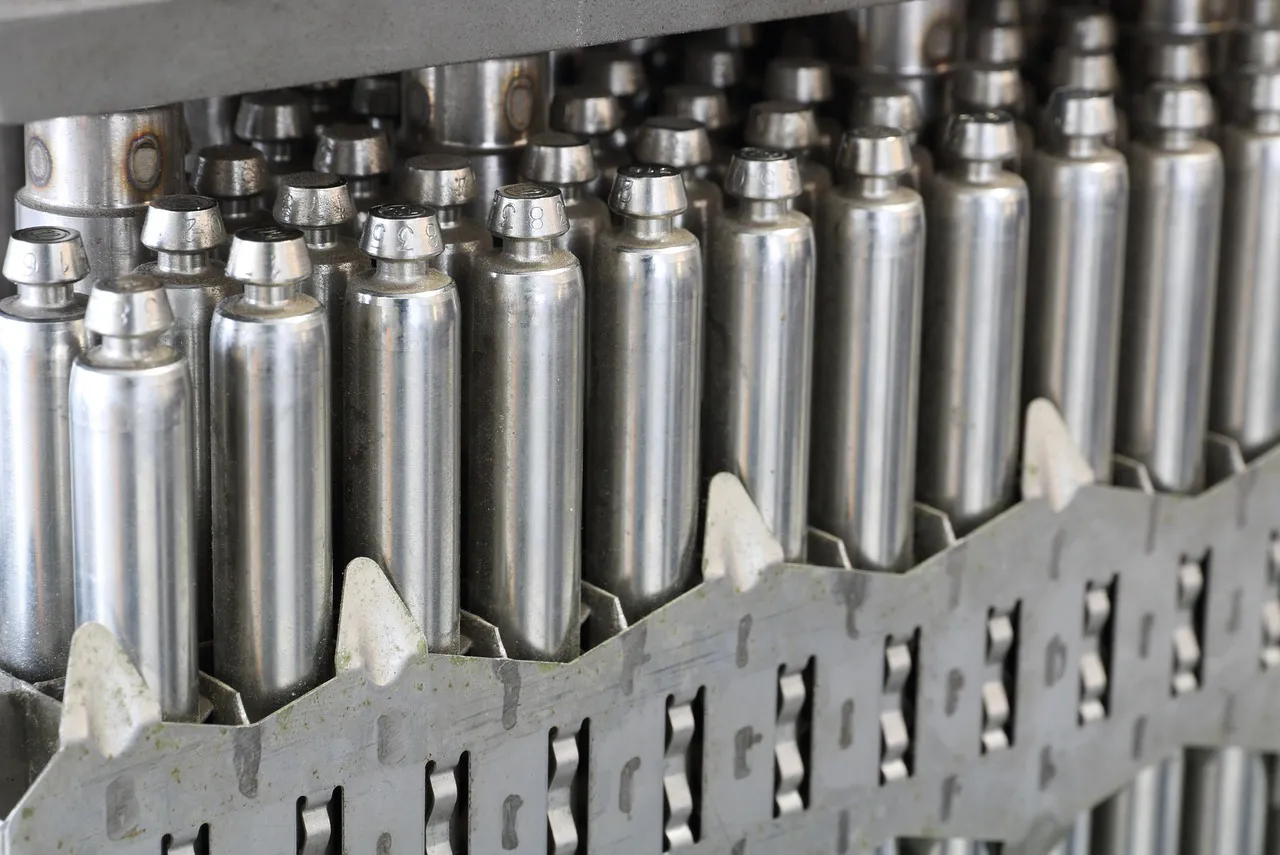
Westinghouse Electric Company is committing approximately $1 billion to a nuclear fuel manufacturing plant at its Columbia Fuel Fabrication Facility in Hopkins, South Carolina. Construction is underway, with operations scheduled for 2030. No US nuclear-fuel facility on this scale has been built to serve reactor fleets for over five decades. It will supply existing commercial reactors and fuel assemblies for Westinghouse AP1000 reactors worldwide, expanding a site that has manufactured fuel components and assemblies since 1968.
The factory will mass-produce Low Enriched Uranium Plus, or LEU+, with enrichment levels of 5% to 8%, exceeding those of conventional commercial fuel. Its greater energy content enables longer intervals between refuelling shutdowns, lowering operating costs while maintaining steady electricity supplies. The investment supports the US UPRISE initiative, under which utilities seek to increase existing reactors’ electrical output without constructing new reactor vessels. Following LEU+’s first commercial loading in an American reactor in 2025, the new facility is intended to move the technology towards widespread deployment.
Separately, September high-temperature trials of Westinghouse’s eVinci microreactor generated measurements for validating reactor models. The core reached criticality—the point at which a nuclear chain reaction sustains itself—at 1,225°F. Engineers subsequently recorded a subcritical reactivity measurement at a peak core temperature of 1,852°F. Comparing these experimental observations with mathematical predictions allows discrepancies to be identified and simulation software to be refined before final prototype hardware is built.