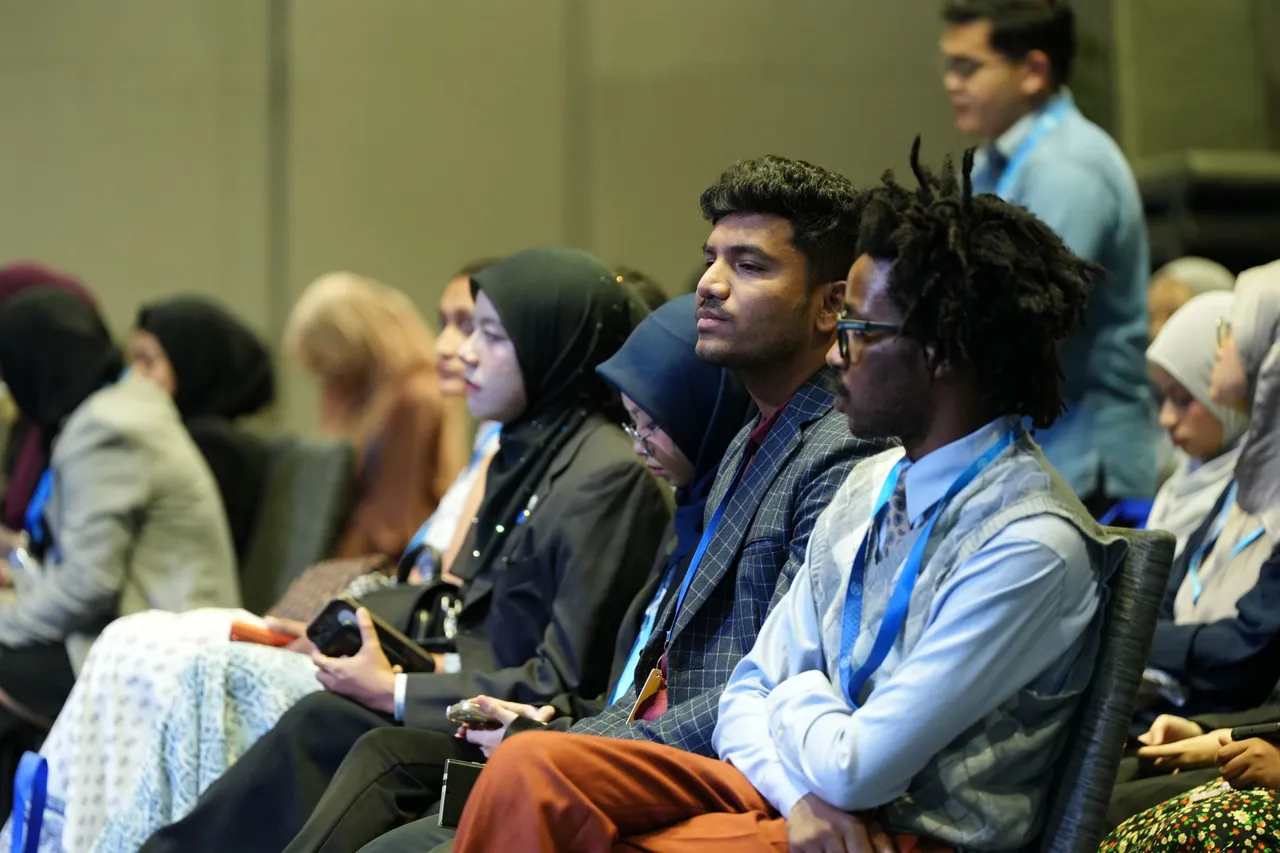
At COP17, the United Nations biodiversity conference in Yerevan, Armenia, Indigenous representatives are negotiating how a new permanent body will operate. Biodiversity means the variety of life in nature. The body aims to give Indigenous peoples and local communities a stronger role in decisions about protecting it.
The Subsidiary Body on Article 8(j) was adopted at COP16 in Colombia in 2024, after three decades of work and negotiations. Representatives now need to settle its operating rules, leadership arrangements and funding. Some countries still oppose parts of the proposals, while disagreements about how to run the body continue.
Lucy Mulenkei, an Indigenous leader from Kenya, helped secure its creation. She co-chairs the International Indigenous Forum on Biodiversity and remains hopeful about the conference’s outcome. She says the body will help communities work together on global nature goals for 2030, but governments must also recognise their rights and include them meaningfully.
Mulenkei also supports bringing scientific research and Indigenous knowledge closer together. When researchers use communities’ knowledge or natural resources, she says, they need mutually agreed terms and must share the benefits. She points to the Nagoya Protocol, an agreement linked to the UN biodiversity convention, as a framework for this approach.