Diets around the world are becoming more alike, with people eating a narrower range of vegetables. In India, traditional crops such as a local long white aubergine have largely disappeared from commercial markets. Hybrid varieties, produced by crossing plants, now dominate supplies. Bengaluru farmer Prabhakar Rao preserves hundreds of traditional seed varieties.
A study published in July in PNAS listed 1,482 vegetable species, although the researchers say the true total is much higher. Among wild relatives of 79 major vegetable species, approximately 24% face extinction. Many vegetable species are not protected in national or international gene banks, which preserve plant material.
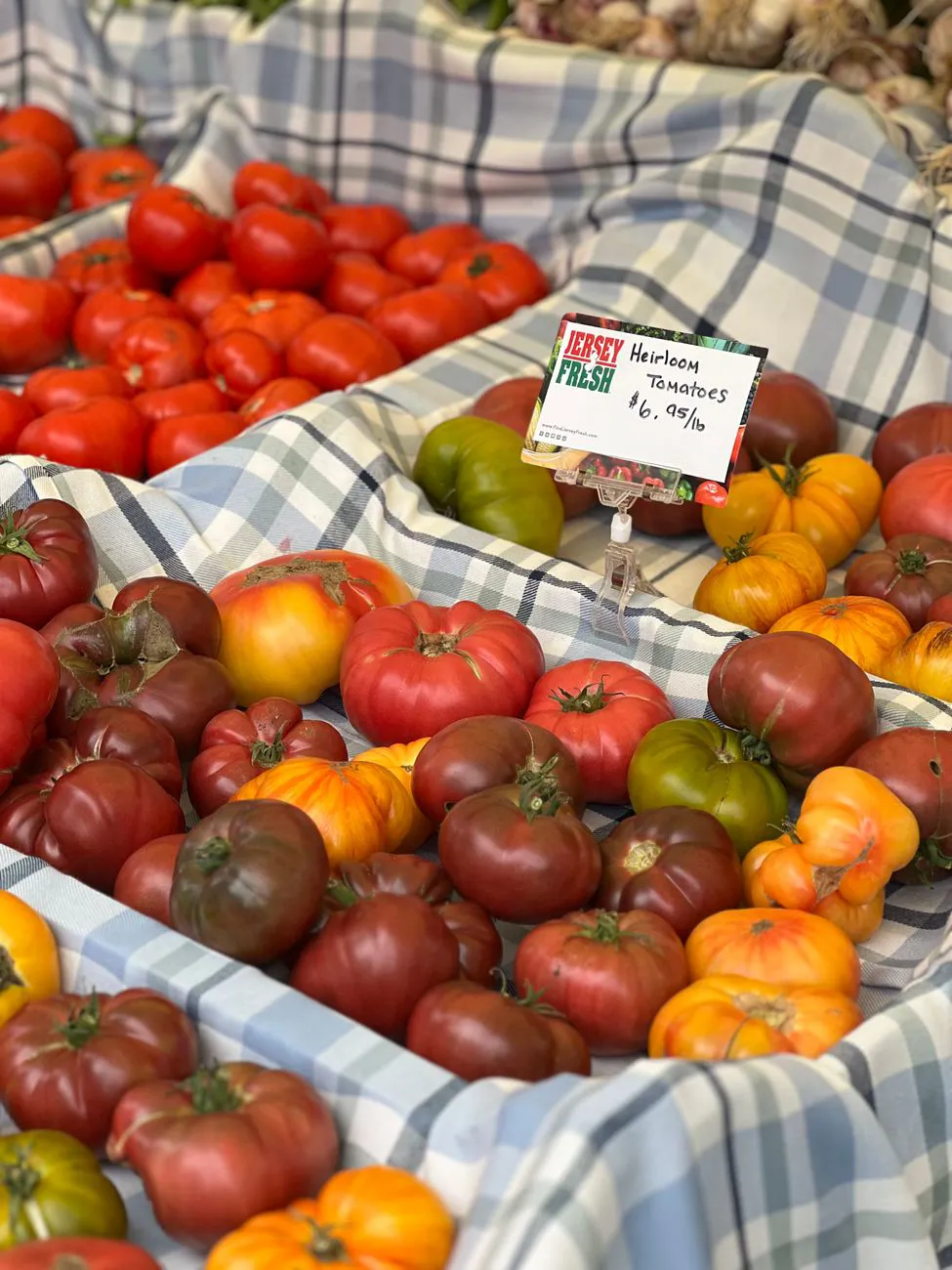
Changing land use, market demand and farming priorities are reducing diversity. Appearance matters too: consumers often connect particular colours and shapes with quality and flavour. In India, people also eat less fruit and vegetables than food security standards recommend. Reduced diversity weakens efforts to provide nutritious food and adapt farming to climate change.
Several initiatives aim to help. In Meghalaya, India, a group has introduced less-used wild and regional vegetables into meals at 26 schools. The WorldVeg Genebank holds over 65,000 genetic samples, while the Crop Trust has identified crops useful for climate adaptation. The trust also calls for support for small farmers and stronger routes to market for less-standardised crops.