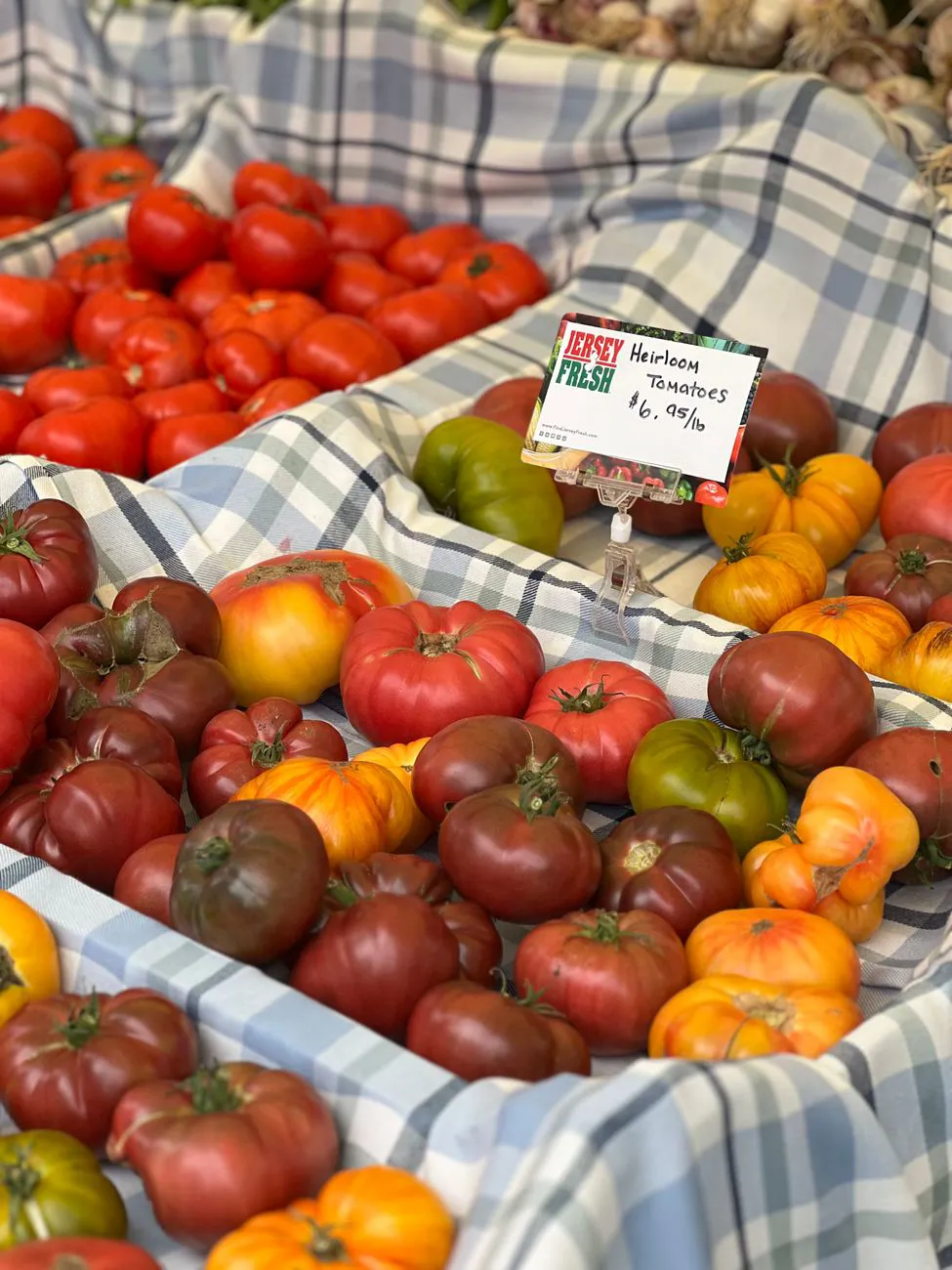
People around the world eat fewer kinds of vegetables as their meals become more alike. In India, local vegetables, including a long white aubergine, have almost disappeared from markets. New kinds made by crossing different plants now fill the shops. Farmer Prabhakar Rao in Bengaluru saves hundreds of traditional kinds of seeds.
Researchers made a list of 1,482 vegetable species, or different groups of plants. The real number is higher. They also looked at wild plants related to 79 main vegetable species. About 24% of these wild relatives could disappear completely.
Changes in land use, farming goals and the kinds of food shops sell help explain this loss. Buyers also link good looks with good taste. People in India eat less fruit and vegetables than food standards recommend. Losing different kinds of vegetables makes it harder to provide healthy food and grow food as the climate changes.
In Meghalaya, India, a group has brought less-used local and wild vegetables into meals at 26 schools. The WorldVeg seed bank keeps more than 65,000 plant samples. The Crop Trust has chosen crops that could help farming deal with climate change. It also calls for support for small farmers and better ways to get less-common crops to buyers.