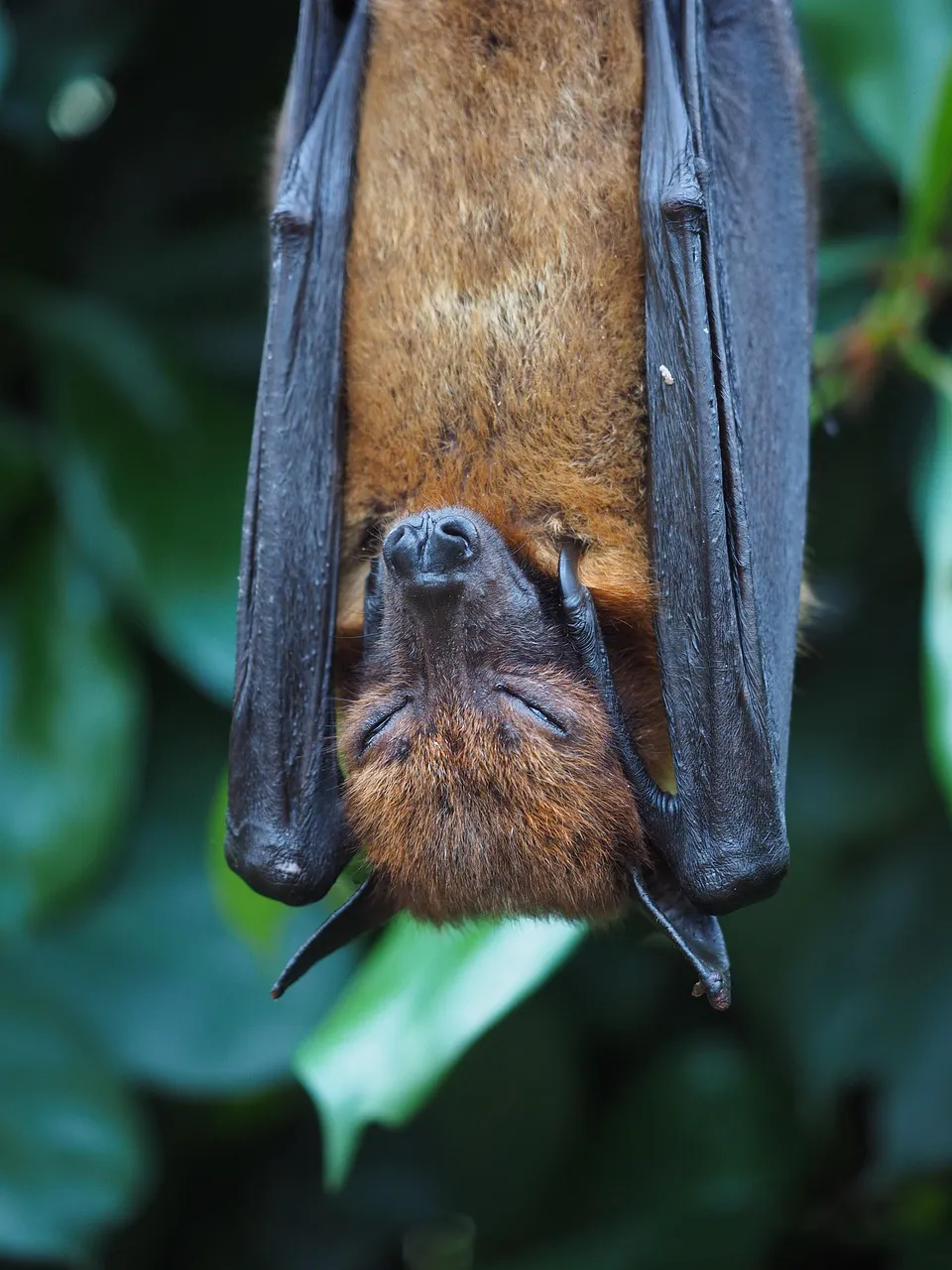
Malagasy flying foxes appear to have become smaller since the 1980s, according to research published on 29 October in the Journal of Mammalogy. The findings suggest that commercial hunting may have contributed to the change, potentially favouring the removal of larger individuals.
The investigation began when researchers at Chicago’s Field Museum noticed that preserved specimens looked larger than bats caught in Madagascar in recent years. The team measured 12 skull and dental features in 121 specimens held by nine museums, spanning more than 150 years. Specimens collected before the 1980s had skulls averaging 3.6 millimetres, or about 6 per cent, longer than those collected afterwards.
Although climate change and habitat loss are possible explanations, the reduction in skull size coincided with the expansion of commercial hunting. Previously, bats had largely been hunted on a small scale to feed families or communities; from around the 1980s, more were sold in markets and restaurants. Larger animals may have been preferentially targeted because they yielded more food.
The population has also declined: an estimated 300,000 Malagasy flying foxes lived on the island in the early 2000s, and researchers believe that figure has since fallen by two-thirds. Conservation biologist Emma Stone of the University of Bath warned that human-driven changes in physical traits could reduce the animals’ ability to withstand environmental, climatic or disease pressures. Future genetic research could help assess how present-day populations are faring, while studies of other hunted fruit bats could establish whether similar shrinkage is occurring.