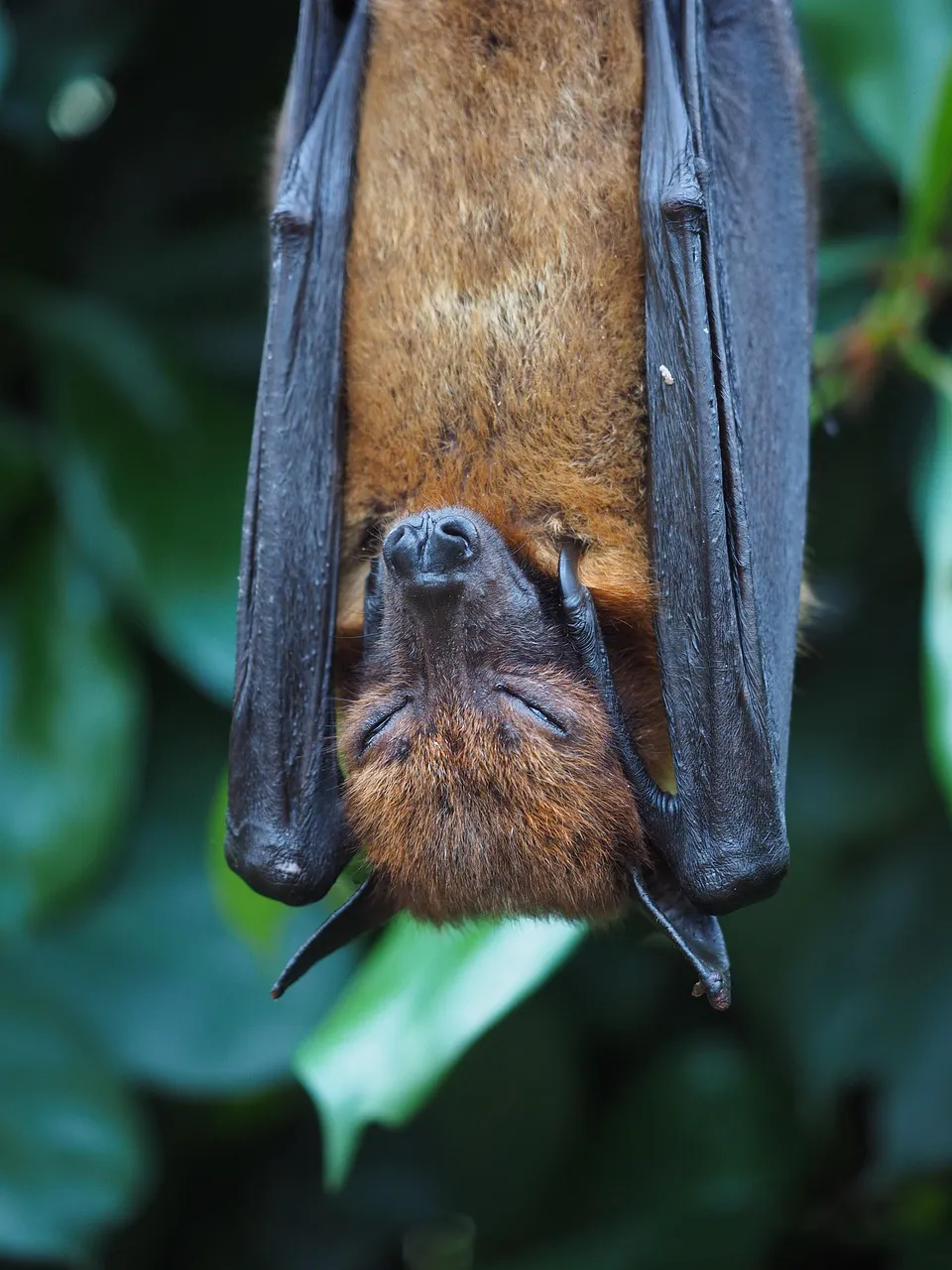
One species of flying fox, a large fruit bat found in Madagascar, appears to be getting smaller. A study published on 29 October suggests that increased hunting may help explain the change.
Researchers examined 121 preserved bats from nine museums, covering more than 150 years. They measured features of the skull, the bones of the head, and the teeth. Bats collected after the 1980s had skulls about 6 per cent smaller than those collected earlier. The investigation began after researchers noticed that older museum specimens looked larger than bats caught more recently.
The change in size matched a shift in hunting practices. Before the 1980s, people mainly hunted bats to feed families or small communities, but sales to markets and restaurants later increased. Hunters may have targeted larger bats because they supplied more food. Climate change and the loss of natural living areas are also possible explanations for the shrinking size.
The population has declined too: researchers estimate that the roughly 300,000 flying foxes present in the early 2000s have since fallen in number by two-thirds. Smaller bodies could leave the bats less able to cope with environmental changes or disease.