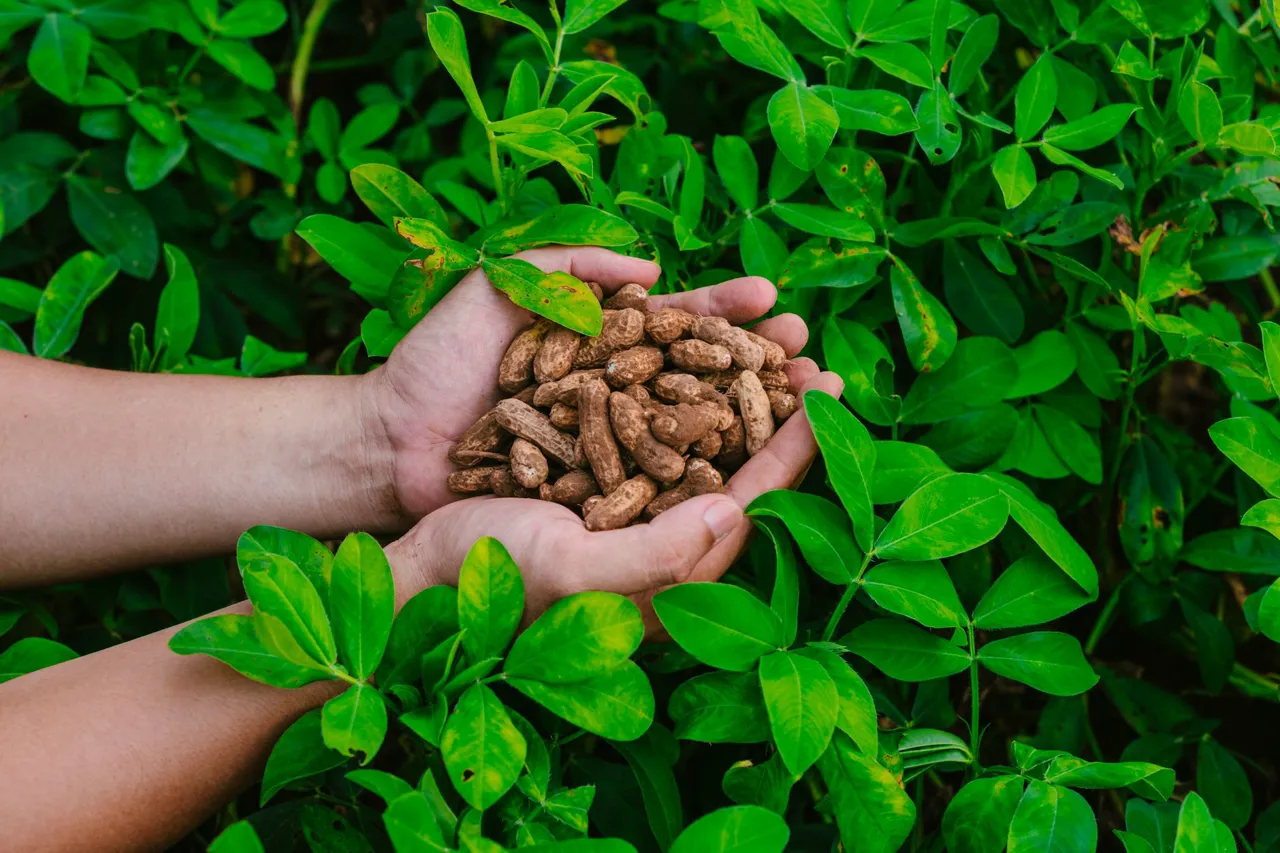
Scientists have studied when farmers should plant bambara groundnuts, an African crop that is not widely grown. Their findings could help farmers in Southern Africa produce a wider range of crops and improve access to food. The research covered South Africa, Lesotho and Eswatini.
Using 50 years of climate and soil information, the researchers ran computer simulations of 49 growing seasons. Their model suggested that October planting produced the highest yields, meaning the largest harvests. October generally marks the beginning of the region's rainy season. Planting later could expose the crop to frost, which can damage plants and reduce production.
Much of Southern Africa depends on maize, wheat and rice grown with rainwater. However, water shortages and climate change are making production more difficult. Indigenous crops, which come from the region, can often survive drier conditions and grow in soils with fewer nutrients. Bambara groundnuts also provide protein, fibre and minerals including zinc, iron and calcium.
The researchers created maps showing suitable growing areas. They considered frost and excluded unsuitable land uses, such as towns, mines and commercial forests. These steps helped avoid exaggerating the area available for cultivation. The maps aim to give farmers practical guidance about where to plant.